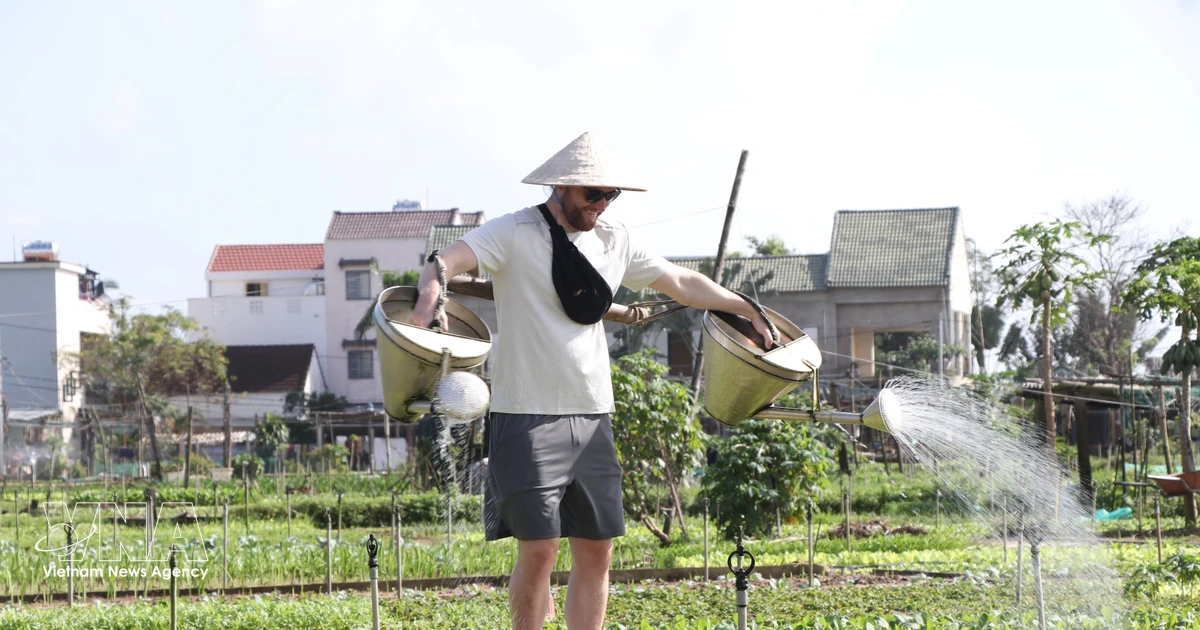
Vietnam Invites Travelers on Multi-Sensory Journey, Accelerating Ambition as Tourism Powerhouse
Culture
2026年7月9日
5
VietnamPlus English
Relations
🇻🇳Vietnam🇨🇳China

Vietnam Invites Travelers on Multi-Sensory Journey, Accelerating Ambition as Tourism Powerhouse

AI サマリー

Vietnam is accelerating its ambition to become a tourism powerhouse by enhancing institutional frameworks, human resources, digital transformation, and international cooperation. The country is seeing a significant surge in travelers, particularly from China, and is leveraging its diverse tourism resources and cultural experiences to boost its international appeal.

Vietnam is continuously improving institutional frameworks and standards, developing human resources, expanding Halal-certified services, strengthening international cooperation, promoting business partnerships, and building the country's brand as a new destination for Halal tourism. According to online travel platform Agoda, searches for accommodation in Vietnam by Chinese travelers surged 164% year-on-year in the first five months of 2026, marking the fastest growth among international source markets. This indicates Vietnam's growing appeal, particularly to the Asian market, by offering diverse tourism resources and experiences. The tourism sector is also set to enhance the use of digital technology to improve management capabilities, service quality, and the visitor experience, as part of a national blueprint. This reflects Vietnam's one-party system's strategy for state-led economic development, aiming for efficiency and enhanced international competitiveness. Beyond conventional sustainable tourism, there is a growing focus on circular tourism, which embraces a regenerative approach. This aims to restore ecosystems, preserve cultural heritage, and strengthen the resilience of local communities, going beyond merely reducing environmental impacts. Hanoi aims to welcome over 9 million foreign arrivals this year and has already achieved more than half of that target. This milestone is not only a source of pride for the city's tourism industry but also a positive signal reflecting its growing appeal among international travelers. Vietnam's tourism performance is widely regarded as a bright spot amid global challenges such as geopolitical tensions, regional conflicts, slowing global economic growth, rising oil prices, and higher travel costs. Notably, Vietnam's rich culinary diversity, fresh ingredients, and refined cooking techniques have elevated its cuisine far beyond iconic dishes like pho and spring rolls, making it one of the country's most memorable attractions for international visitors. Furthermore, destinations like Phu Quoc Island are emerging as representative sites with ongoing infrastructure, hospitality, and international cooperation projects, preparing for APEC 2027 and beyond. This strategy demonstrates Vietnam's effort to diversify its global tourism market while maintaining its focus on key relationships, such as with China. Unique experiences like the "5 Cua O" (Hanoi Five Gates) heritage train and opportunities to engage with traditional culture, such as in the nearly 70 craft villages near Da Nang, are also being offered, catering to a wide range of traveler needs. With strong growth momentum, strategic investment in quality tourism, upgraded infrastructure, and increasingly diversified source markets, Vietnam is steadily reinforcing its position as one of Southeast Asia’s most dynamic and promising tourism destinations. Source: VietnamPlus English

多角的分析

経済的影響

ベトナムの観光セクターは、パンデミック後の経済回復の重要な柱として位置づけられている。特に、デジタル技術の活用やハラル認証サービスの拡充は、新たな市場を開拓し、収益源を多様化する戦略である。中国市場の急成長は、近隣諸国との経済的結びつきの強さを示すと同時に、特定の市場への依存リスクも内包している。ベトナム政府は、観光収入の増加を通じて外貨準備を強化し、国際収支の改善を図ることで、経済全体の安定化を目指していると考えられる。これは、ベトナムの一党体制下で計画経済的なアプローチを取りながら、市場経済の原理を導入し、成長を最大化しようとする試みと言える。

投資家心理

ベトナムの観光セクターへの投資は、高い成長ポテンシャルを秘めている。特に、フーコック島のような開発が進む地域や、インフラ整備が加速するエリアは、不動産、ホスピタリティ、関連サービス分野での投資機会を提供する。しかし、投資家は、ベトナムの法制度や規制の変更リスク、インフラ整備の遅延、そして国際情勢の変動が観光客数に与える影響を慎重に評価する必要がある。中国市場への依存度が高い現状は、地政学的なリスクを考慮する上で重要な要素となる。一方で、多様化する旅行者のニーズに応えるための新しい体験型観光への投資は、長期的なリターンをもたらす可能性がある。

社会的影響

ベトナムの観光振興は、地域経済の活性化と雇用創ち創出に大きく貢献する。特に、伝統工芸村や地方の観光資源の開発は、地域住民の生活水準向上に直結する。しかし、観光客の増加は、インフラへの負荷、環境問題、そして地域文化への影響といった課題も生じさせる。例えば、ダナン近郊の職人村では、観光客の増加が伝統技術の継承にどのような影響を与えるか、また、フーコック島のような開発が進む地域では、地域住民の生活空間や環境がどのように変化していくかが注視される。ベトナム政府は、これらの社会的な側面にも配慮し、持続可能な観光開発を進めることが求められている。

市民の声

ベトナム市民にとって、観光業の発展は、新たな雇用機会の創出や、地域経済の活性化という恩恵をもたらす。特に、都市部や観光地周辺の住民は、サービス業での職を得やすくなる可能性がある。また、国内旅行の促進や、地域固有の文化・遺産への関心の高まりは、市民のアイデンティティや誇りを育む側面もある。しかし、観光客の増加に伴う物価上昇や、インフラの混雑、環境への影響は、市民生活に直接的な影響を与える可能性もある。例えば、ハノイの旧市街のような人気観光地では、住民の日常生活と観光客のニーズとの間でバランスを取ることが課題となるだろう。また、若年層は、SNSなどを通じて新しい観光体験や文化に触れる機会が増え、国際的なトレンドへの関心を高めている。

背景・歴史的文脈

ベトナムは、ドイモイ政策(刷新)以降、市場経済を導入し、経済成長を最優先課題としてきた。特に2010年代以降、製造業の発展と輸出拡大に加え、観光セクターの潜在力に着目し、国家的な開発戦略として位置づけている。中国との経済的結びつきは強いものの、地政学的な緊張も抱える中で、観光を通じた国際社会との関係強化と経済の多角化は、ベトナムにとって重要な戦略となっている。近年は、パンデミックからの回復期にあたり、観光客誘致に向けたインフラ投資やプロモーション活動を加速させている。これは、ベトナムが単なる製造拠点から、多様な魅力を備えた国際的な観光デスティネーションへと進化しようとする意志の表れである。

原文ソース

VietnamPlus English

原文を読む