Vietnam's Highway Left Lane 'Overtake Only' Proposal Sparks Debate
Infrastructure
2026年7月28日
4
VnExpress

General articles are free for 24 hours after publish.

Vietnam's Highway Left Lane 'Overtake Only' Proposal Sparks Debate

Share
AI Summary

A proposal to designate the left lane of Vietnam's highways as 'overtake only,' prohibiting continuous travel, has emerged, with opinions divided: 53% in favor and 47% against. Hopes for traffic congestion relief clash with concerns about feasibility given Vietnam's road conditions.

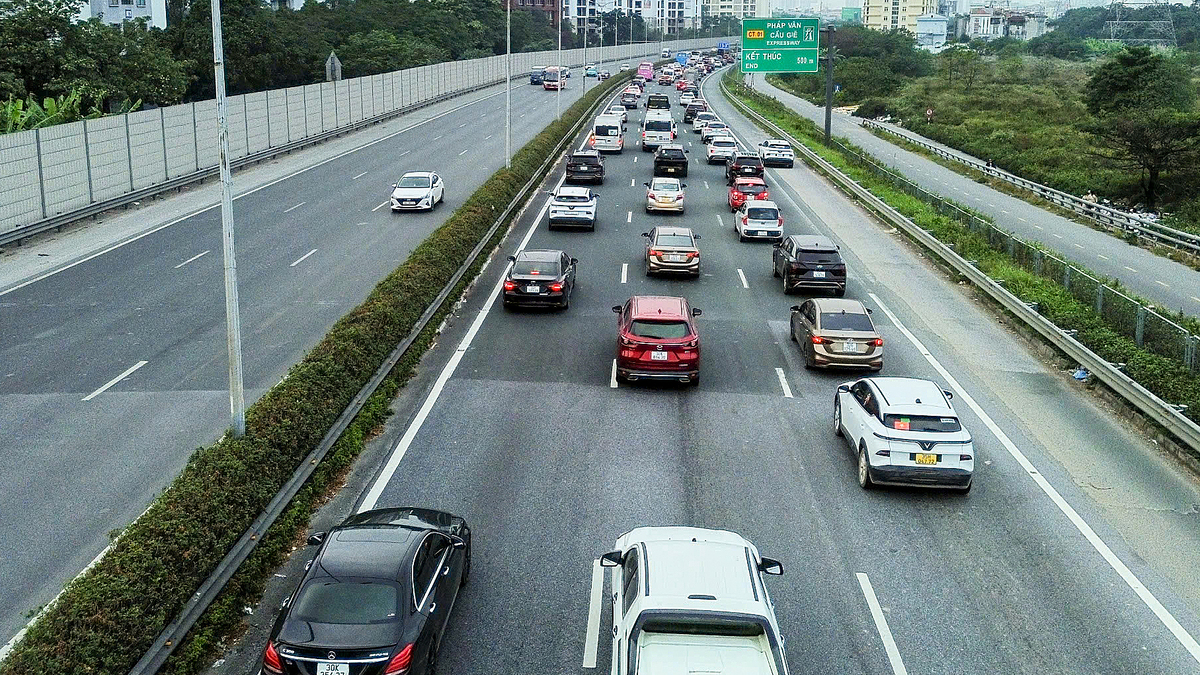
A proposal by the Traffic Police Department (Cục CSGT) to designate the left lane of highways as 'overtake only,' prohibiting continuous travel, has sparked considerable debate among the public. A 24-hour online poll conducted by VnExpress recorded over 15,000 votes, with opinions closely divided: 53% in favor and 47% against. Many readers supporting the proposal believe it will help resolve the issue of slow-moving vehicles occupying the left lane, causing congestion and forcing vehicles behind to change lanes multiple times to overtake. "This is a traffic organization method adopted by many countries worldwide to increase traffic capacity and reduce conflicts between vehicle flows," stated one widely agreed-upon opinion. Conversely, some express concerns about the feasibility of implementing this rule given the current characteristics of Vietnamese highways, especially on sections with only two lanes in each direction and high vehicle density. Many drivers argue that being constantly forced to return to the right lane after each overtake will increase lane-changing maneuvers, potentially posing additional collision risks. This proposal has also generated discussion on automotive forums in countries like the US, Canada, and Australia, where some drivers contend that being mandated to return to the right lane after overtaking leads to more frequent lane changes. However, a majority opinion suggests that the long-term benefits outweigh the immediate inconveniences. Keeping the left lane clear helps reduce instances of slow vehicles blocking the lane and limits unsafe overtaking maneuvers, such as passing on the right or weaving between lanes, which are common causes of increased collision risks on highways. Safety driving experts assess that while this regulation is new to Vietnam, it is not novel globally. Nevertheless, many remain apprehensive due to its untested nature in practice and the non-uniform speeds on Vietnamese highways. Mr. Trịnh Tùng, an adjudicator with driving experience in the US, Europe, and many Southeast Asian countries, notes that in these nations, even on highways with only two lanes in each direction, drivers primarily use the right lane, moving to the left only when overtaking and quickly returning to their original lane. He explains that vehicles traveling slower than the speed limit for various reasons are always present. If these vehicles continuously occupy the lane closest to the median, traffic flow behind them will be obstructed, leading to extended queues or unsafe lane changes and overtakes. Designating the left lane for overtaking ensures a clear space for faster vehicles, thereby increasing traffic throughput. According to experts, for the left-lane overtake rule to be effective and ensure smooth traffic flow, it is crucial for drivers to possess the awareness and skills to maintain speeds consistent with the traffic flow, in addition to understanding and remembering the law. On highways in developed countries, drivers typically do not need to overtake frequently from the right lane because vehicles in the right lane maintain a relatively high speed. For example, on a road with a maximum speed limit of 75 mph, vehicles often travel steadily at 65-70 mph and maintain safe distances. To instill this habit in all drivers, experts suggest that it should be integrated from the driver's license training stage, with students experiencing these practices through appropriate curricula provided by training centers. Source: VnExpress

0

Original source

VnExpress

原文を読む