Quake-hit Mindanao Schools Extend Class Suspensions
Ongoing earthquakes in southern Mindanao have delayed the resumption of face-to-face classes in public elementary and secondary schools in General Santos City, Sarangani, and Davao Occidental. Alternative learning methods and structural reassessments are being implemented to ensure the safety of students and educators.
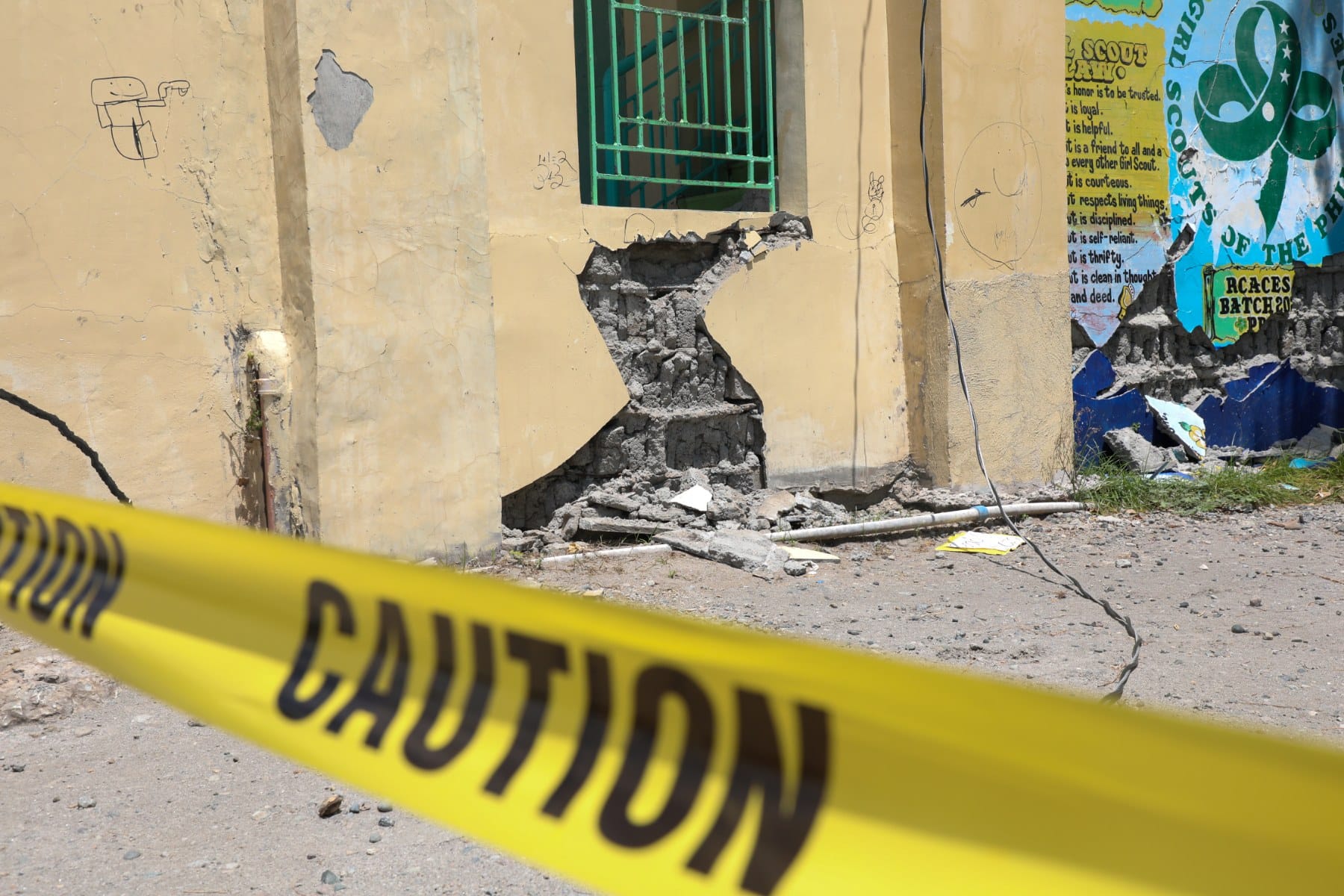
Classes in public elementary and secondary schools in General Santos City (GenSan), Glan in Sarangani, and Davao Occidental have remained suspended for at least three weeks now since the start of classes on June 8, when a powerful 7.8 earthquake rocked southern Mindanao, officials said. Isagani dela Cruz, GenSan Schools Division superintendent, ordered anew the suspension of face-to-face classes on Monday due to the magnitude 6.5 earthquake that jolted the city and nearby provinces last Friday. The tremor was traced 70 kilometers west of Balut Island in Sarangani town, Davao Occidental. It was felt at Intensity V in GenSan and in the towns of Kiamba, Malapatan, Malungon, and Alabel in Sarangani province; Lake Sebu and Tboli in South Cotabato; and Palimbang in Sultan Kudarat. Dela Cruz said the suspension was necessary to ensure the safety of learners and educators across the city. He directed schools to implement the Alternative Delivery Mode (ADM) of learning. “All schools will undergo another structural reassessment following the magnitude 6.5 earthquake last Friday,” he said. As of June 25, the GenSan Schools Division reported that at least 125 public schools in the city were damaged by the June 8 earthquake, affecting 793 classrooms with major or minor damage. In Davao Occidental, Gov. Franklin Bautista ordered the continued implementation of alternative learning modalities due to the continuing earthquakes felt in the province. In a memorandum issued on Saturday, he placed schools in the towns of Malita, Sta. Maria and Don Marcellino are under the Hinay (ease in) level and observe alternative learning modalities (ALMS). Schools in the municipalities of Jose Abad Santos and Sarangani were placed under the Hinto (stop) level, or suspension of academic learning activities until further notice, he added. Davao Occidental is part of Region 11 or Davao Region. In Glan, the hardest-hit town in Sarangani province by the magnitude 7.8 quake, classes in all levels remained suspended since then, Daniel Nocos, Municipal Disaster Risk Reduction and Management Office officer of the day, said by phone. Glans is composed of 31 barangays. Last June 22, dela Cruz also ordered the suspension of classes in GenSan at all levels due to the redeployment of Structural Assessment Teams (SAT) to perform post-earthquake structural reassessments following a strong aftershock recorded earlier. He directed that all classes in public elementary and secondary schools shall be conducted through asynchronous learning until classrooms and other learning spaces have been re-inspected, re-evaluated, and declared safe for occupancy. Dela Cruz advised essential personnel, such as general services staff, who are reporting onsite to wear comfortable attire that allows ease of movement and mobility in case of emergencies, subject to existing standards on decency and appropriateness. The South Cotabato Schools Division Office had already resumed normal face-to-face classes since June 22, while schools with damaged classrooms continue to implement appropriate learning modalities, including blended learning, to ensure uninterrupted learning. In a statement, DepEd Soccsksargen, located in Koronadal City, said that across the region, Schools Division Offices remain committed to balancing learner safety, well-being, and learning continuity as recovery efforts continue. DepEd Soccsksargen reported that at least 1,000 public schools across five regions were affected by the earthquake, with GenSan among the hardest-hit areas. With a report from Bong S. Sarmiento /coa
多角的分析
地震によるインフラ被害と授業停止は、地域経済に間接的な影響を与える。特に、親が子供の世話のために仕事を休まざるを得なくなる場合、生産性の低下や所得減少につながる可能性がある。また、教育機会の喪失は、長期的に見て地域の人材育成と経済発展の阻害要因となりうる。
投資家にとっては、自然災害リスクの高い地域への直接投資は慎重になるだろう。インフラの脆弱性や復旧の遅れは、事業継続性やサプライチェーンに影響を与えるリスクとなる。しかし、長期的な復興需要や防災関連産業への投資機会も同時に生まれる可能性がある。
ジェネラルサントス市やサランガニ州、ダバオ・オクシデンタル州の子供たちは、安全な学習環境が確保されるまで、対面授業を受ける機会を失っている。これは、学習の遅れだけでなく、友人との交流や学校生活から得られる社会性の発達にも影響を与える可能性がある。また、保護者にとっては、子供の安全確保と学習継続の両立という負担が増加している。
フィリピン南部、特にミンダナオ島では、地震は住民にとって身近な脅威である。今回の授業停止は、子供たちの学業だけでなく、保護者の日常生活にも大きな影響を与えている。学校施設の安全確認や代替学習の実施は喫緊の課題であり、住民は行政の対応を注視している。過去の地震被害からの教訓を活かした、より迅速かつ実効性のある対策が求められている。
背景・歴史的文脈
フィリピンは環太平洋火山帯に位置し、地震活動が活発な地域である。特にミンダナオ島南部は、フィリピン断層帯やその他の活断層の影響を受けやすい。過去にも、1976年のミンダナオ島沖地震(マグニチュード7.9)や、2019年後半の連続地震(マグニチュード6クラス)など、甚大な被害をもたらす地震が発生している。これらの地震は、建物の耐震性、インフラの脆弱性、そして迅速な避難・救助体制の重要性を繰り返し示唆してきた。今回の授業停止は、過去の教訓が十分に活かされていない現状と、自然災害に対する社会全体のレジリエンス向上の必要性を示している。
原文ソース
Inquirer NewsInfo