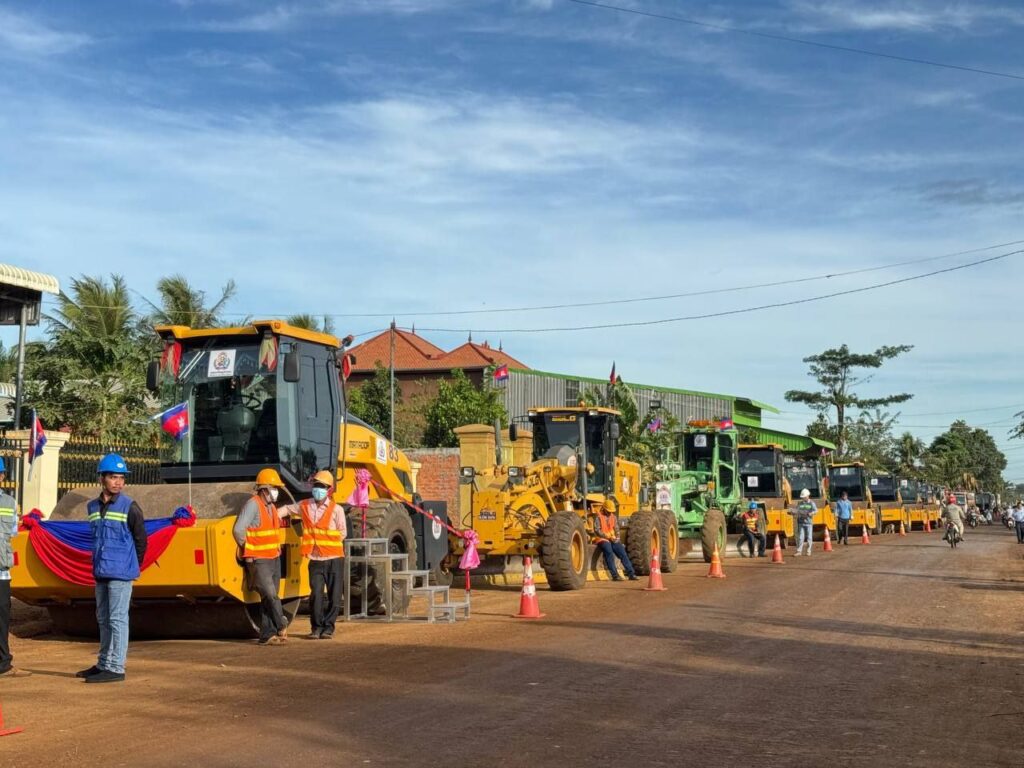
Cambodia Outlines Five Strategic Priorities for Rural Transformation by 2035
Society
2026年7月9日
5
Kampuchea Thmey English
Relations
🇰🇭Cambodia🇨🇳China

Cambodia Outlines Five Strategic Priorities for Rural Transformation by 2035

AI サマリー

Cambodia has launched a decade-long national policy to transform rural societies into 'prosperous, inclusive, equitable, and sustainable' communities by 2035. The strategy focuses on infrastructure development, public health improvement, economic strengthening, digital governance, and sustainable development.

PHNOM PENH, July 9, 2026 (KPT) — Cambodia has unveiled a decade‑long rural development policy outlining five strategic priorities to transform communities by 2035, aiming to build resilient infrastructure, improve public services, strengthen local economies, advance digital governance and promote sustainable development as part of its Vision 2050. The National Policy on Rural Development 2025–2035 envisions “a prosperous, inclusive, equitable and sustainable rural society,” ensuring decent living standards, stronger resilience, better health, a clean environment and dignified livelihoods while contributing to poverty reduction and national growth. Four development targets underpin the strategy: well‑connected infrastructure, improved health and life expectancy, safe and environmentally sustainable communities, and sustainable household income growth. The five pillars include climate‑resilient transport networks to link villages with economic centres; expanded access to clean water and sanitation; diversified community development through “One Village, One Product,” model villages and indigenous leadership; higher household incomes via vocational training, entrepreneurship, product processing and market access; and stronger governance through digital transformation and partnerships with government, civil society and the private sector. The Ministry of Rural Development has identified five priority programmes covering roads, water and sanitation, resilient villages, economic diversification and governance. Annual progress reports and five‑year reviews will track implementation. The roadmap will guide ministries, local authorities, development partners and businesses in mobilising resources to build more prosperous and sustainable rural communities, supporting Cambodia’s ambition of becoming a high‑income country by 2050.

多角的分析

経済的影響

この政策は、農村部の経済活動の多様化と市場へのアクセス向上を重視しており、これはカンボジア経済全体の成長鈍化懸念に対する下支え策と見られます。特に「一村一品」運動や製品加工への支援は、付加価値向上と輸出競争力強化に繋がり、外貨獲得能力の向上に寄与する可能性があります。しかし、これらの計画が具体的にどの程度の予算と専門知識をもって実行されるかが、その効果を左右する鍵となります。

投資家心理

農村開発政策は、インフラ投資、特に交通網の改善や水・衛生設備への投資機会を示唆しています。これは、長期的な視点を持つ投資家にとって、新たなビジネスチャンスとなり得ます。一方で、デジタルガバナンスの推進は、テクノロジー関連企業やサービスプロバイダーにとって魅力的ですが、その導入スピードと普及率は、投資回収期間に影響を与える可能性があります。リスクとしては、計画通りの実行と収益化の不確実性が挙げられます。

社会的影響

農村開発政策は、地方住民の生活水準向上に直接的に貢献する可能性があります。「一村一品」運動は、地域固有の産品をブランド化し、農家の収入増加に繋がる一方、品質管理やマーケティング能力の向上が課題となります。また、デジタルガバナンスの推進は、行政サービスの効率化や透明性向上をもたらす一方で、デジタルデバイド(情報格差)の拡大や、高齢者などデジタル機器に不慣れな住民への配慮が求められます。

市民の声

農村地域に住む市民にとって、この政策は生活の質の向上を期待させるものです。具体的には、道路の整備による移動の容易化、清潔な水や衛生設備の普及による健康改善、そして「一村一品」や職業訓練による収入増加が挙げられます。しかし、これらの恩恵が地域格差なく公平に享受できるか、また、デジタル化の波についていけるかといった不安も同時に存在すると考えられます。

背景・歴史的文脈

カンボジアは長年にわたり、都市部と農村部の開発格差に悩んできました。特に、ポル・ポト政権崩壊後の経済復興期において、インフラ整備は後回しにされがちでした。近年、中国からの投資がインフラ開発を加速させる一方で、その依存度への懸念も高まっています。今回の政策は、こうした背景を踏まえ、国内の基盤強化と経済の多様化を図ることで、より持続的かつ自立した発展を目指す動きと言えます。

原文ソース

Kampuchea Thmey English

原文を読む