General articles are free for 24 hours after publish.
Philippines Enacts Early Childhood Care Law, Boosting Parental Support and Educational Access
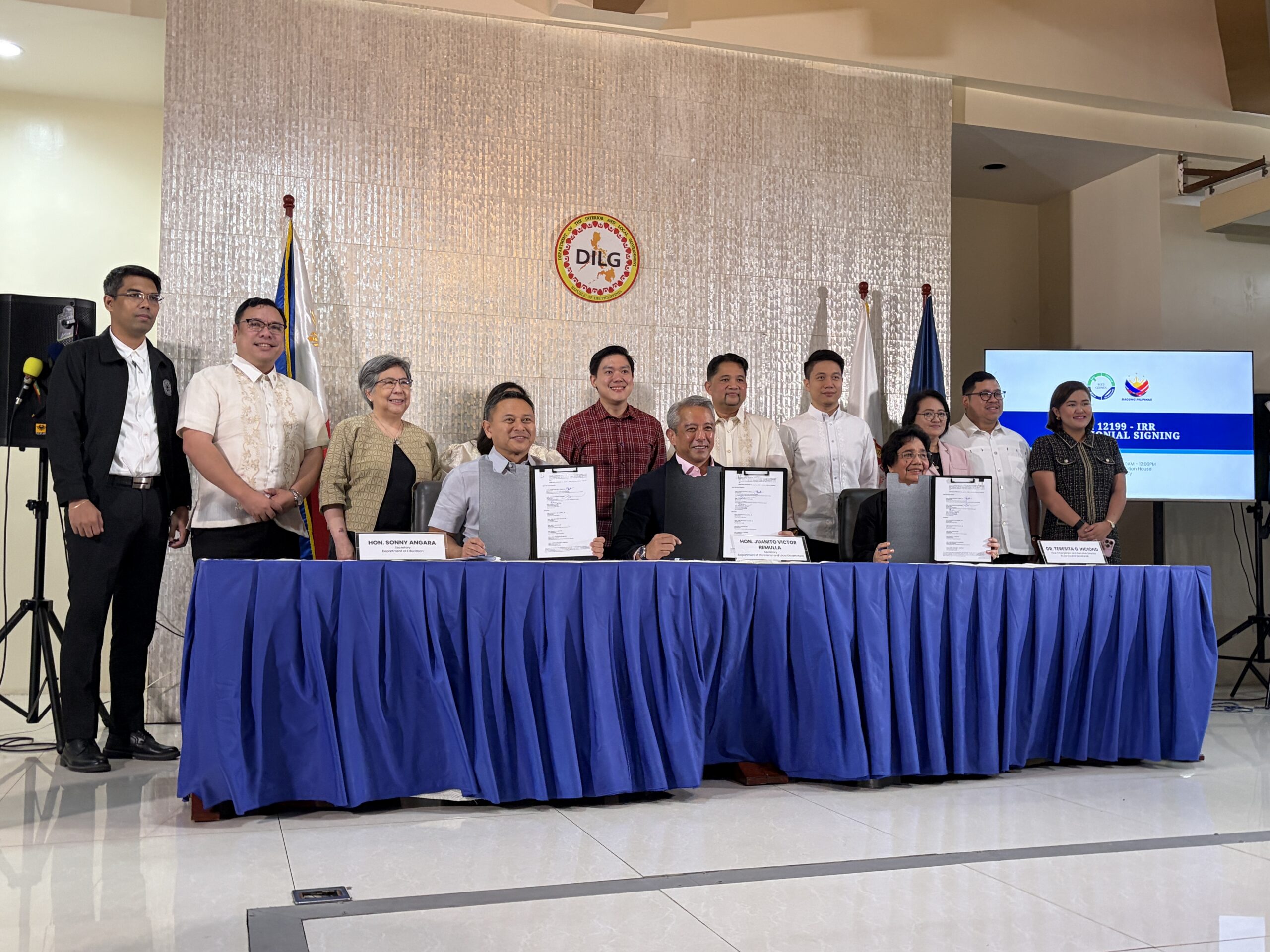
The Philippine Departments of Education and the Interior and Local Government have signed the implementing rules and regulations for the Early Childhood Care and Development (ECCD) System Act. This move aims to expand educational and care services for children aged 0-5 and enhance support for parents.
The Department of Education (DepEd) and the Department of the Interior and Local Government (DILG) in the Philippines have signed the implementing rules and regulations (IRR) for Republic Act No. 12199, also known as the Early Childhood Care and Development (ECCD) System Act. This law aims to guarantee access to quality early childhood education and care for all children aged 0 to 5 years. Education Secretary Edgardo “Sonny” Angara, Interior and Local Government Secretary Jonvic Remulla, and Early Childhood Care and Development (ECCD) Council Executive Director Teresita Inciong attended the signing ceremony. The IRR outlines the specific procedures and standards for effectively achieving the law's objectives, marking a significant step towards improving the quality of early childhood education and ensuring more children can benefit from it. The implementation of this law is expected to strengthen the provision of early childhood education and care services across the Philippines. Support is anticipated to expand, particularly for children from economically disadvantaged families and those residing in areas with limited educational opportunities. The IRR also includes provisions for enhanced parenting support programs, establishing a comprehensive system to support child development within families from multiple angles. While the Philippines has experienced economic growth, challenges such as income disparity and unequal educational opportunities between regions persist. Investing in early childhood education is considered crucial for nurturing future human capital and contributing to the nation's long-term development. The smooth implementation of this law and the rollout of specific programs based on the IRR will be key to shaping the future of Filipino children.
Original source
Inquirer NewsInfo