Vietnam Accelerates Lawmaking and Economic Growth Amidst NA Sessions and International Cooperation
Politics
2026年7月9日
7
VietnamPlus English
Relations
🇻🇳Vietnam🇨🇳China🇯🇵Japan🇺🇸United States

Vietnam Accelerates Lawmaking and Economic Growth Amidst NA Sessions and International Cooperation

AI サマリー

Vietnam is accelerating lawmaking for National Assembly sessions and pursuing economic growth, while strengthening international cooperation to achieve sustainable development and improve citizens' quality of life.

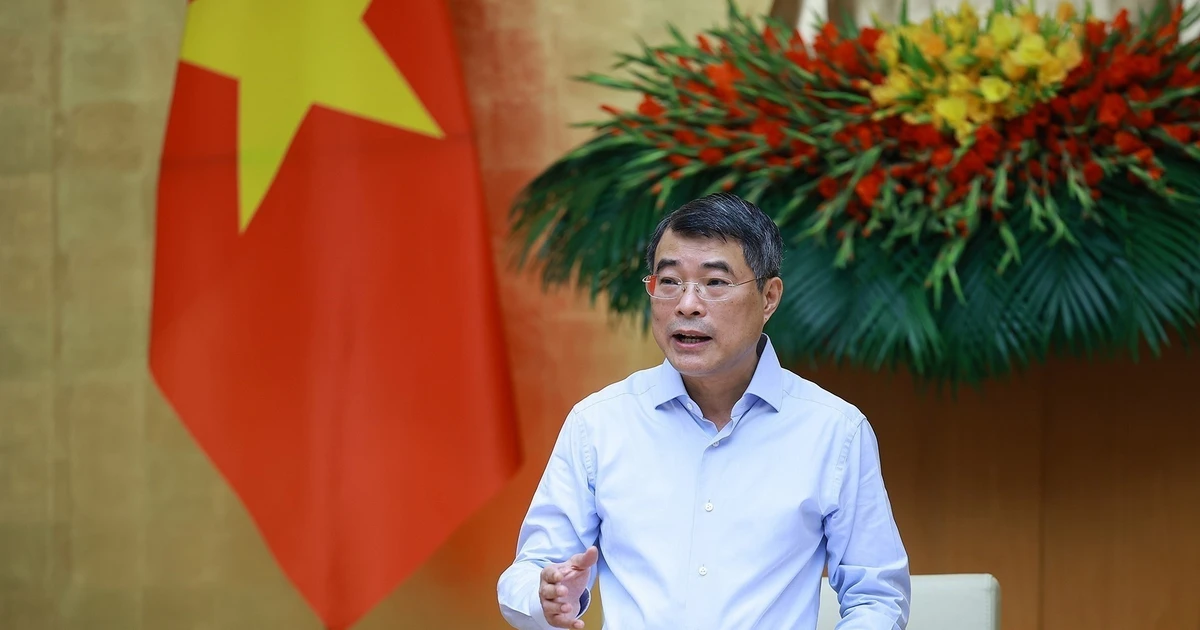
Prime Minister Le Minh Hung emphasized the need to balance rapid economic growth with sustainability, improved governance, and enhanced quality of life during a meeting of the Central Steering Committee on judgment enforcement and asset recovery in Hanoi on July 8. The 16th National Assembly is scheduled to convene its first extraordinary session from August 3-24, where lawmakers are expected to consider 27 agenda items, including the adoption of 20 laws and resolutions. This indicates Vietnam's commitment to swiftly advancing its legal framework amidst its rapid economic development. The World Bank's reclassification of Vietnam as an upper-middle-income country signifies international recognition of nearly four decades of Doi Moi (Renewal) policy. However, it also signals a necessary shift from scale-driven growth to development powered by productivity, science, technology, and innovation. International cooperation is also being strengthened. Discussions with the Attorney General of Malaysia affirmed the importance of the Comprehensive Strategic Partnership. Vietnam's participation in the INNOPROM Industrial Trade Fair in Russia and the commendation for its humanitarian efforts in Venezuela highlight its growing international presence. Domestically, the e-commerce law, effective July 1, provides a clearer legal framework for online businesses, aiming to boost consumer confidence and support sustainable growth of the digital marketplace. In Hanoi, 50 MOUs have been signed to attract investment and advance the city's long-term development vision towards becoming an AI-driven city. The launch of cross-border QR payments between Vietnam and Singapore also signals accelerated integration in the digital economy. However, challenges persist. Heavy rains have caused flooding and landslides in some provinces, impacting infrastructure and crops. Efforts continue to recover and identify the remains of fallen soldiers, addressing ongoing social needs. Amid concerns about economic slowdown, the government discussed measures in its June meeting to achieve this year's socio-economic targets, particularly aiming for double-digit economic growth. Business sentiment, despite rising costs and global uncertainties, shows a rebounding trend, according to a UOB study. Source: VietnamPlus English

多角的分析

経済的影響

ベトナム経済は、世界銀行による「上中所得国」への引き上げというマイルストーンを達成したものの、持続的な成長のためには、従来の規模拡大型から生産性・技術革新主導型への転換が急務である。これは、単に所得水準の上昇に留まらず、産業構造の高度化、高付加価値製品の生産、そしてイノベーションエコシステムの構築を意味する。Eコマース法の施行やクロスボーダーQR決済の導入は、デジタル経済の発展を後押しするが、これらの恩恵が国内全域、特に地方や中小企業にまで及ぶかどうかが、国民全体の所得向上と格差是正の鍵となる。また、二桁成長を目指す政府の意欲は高いものの、地政学リスクやグローバルなインフレ圧力といった外部要因への対応力が問われる。

投資家心理

ベトナムの「上中所得国」への移行は、投資家にとって、より成熟した市場への第一歩と捉えられる。法整備の加速は、ビジネス環境の透明性向上と予測可能性の増大に繋がり、外国直接投資(FDI)のさらなる呼び込みに寄与するだろう。特に、AI、デジタル経済、インフラ開発といった分野への投資機会は拡大すると予想される。しかし、成長の原動力を生産性向上へとシフトさせる必要性は、単なる労働集約型産業への投資から、より高度な技術や研究開発への投資へと、投資戦略の再考を促す。また、地政学的な不確実性や、国内インフラの整備状況、人材育成への継続的な投資が、長期的な投資リターンの安定化に不可欠となる。

社会的影響

ベトナムにおける法整備の加速と経済成長の追求は、国民生活に多岐にわたる影響を与える。Eコマース法の施行は、消費者保護を強化し、オンライン取引の安全性を高めることで、特に都市部でのデジタル消費を促進するだろう。ハノイでのAI都市化への取り組みは、将来的な雇用創出の可能性を秘める一方、デジタルデバイドの拡大や、高度なスキルを持つ人材への需要集中といった課題も生む可能性がある。また、豪雨による自然災害への対応や、戦没者の遺骨収集といった取り組みは、政府が国民の安全と尊厳を守るための継続的な努力を示している。しかし、経済成長の恩恵が全国民に均等に行き渡るか、そして地方のインフラ整備が追いつくかが、社会的な安定と格差是正の重要な要素となる。

市民の声

国民にとっては、法整備の進展は、Eコマースなどのデジタルサービス利用における安心感の向上につながる。ハノイにおけるAI都市化への投資は、将来的な雇用機会の拡大を期待させる一方で、都市部と地方の格差、あるいは高スキル人材と一般労働者の間の賃金格差がさらに広がるのではないかという懸念も生む。クロスボーダーQR決済の普及は、旅行や国際的なオンラインショッピングを容易にするだろう。しかし、地方で発生している豪雨被害は、インフラの脆弱性や、自然災害に対する脆弱な生活基盤を浮き彫りにする。戦没者遺骨の特定作業は、遺族にとって長年の悲願達成の機会となるが、その進捗や支援体制が十分であるかは、国民の関心事となるだろう。

背景・歴史的文脈

ベトナムの「ドイモイ(刷新)」政策は、1986年に始まり、市場経済の導入と対外開放を推進してきた。これにより、ベトナムは貧困削減と経済成長を成し遂げ、世界銀行による「上中所得国」への引き上げにつながった。しかし、この成長は主に輸出主導型と労働集約型であり、今後は生産性向上とイノベーションを核とする持続可能な開発モデルへの転換が課題となっている。国会での法整備加速は、経済発展の基盤強化と、国際社会との整合性を高めるための努力の一環である。また、ベトナムは中国との経済的結びつきが強い一方で、地政学的なバランスを取りながら、米国や日本など多様な国々との関係を強化している。

原文ソース

VietnamPlus English

原文を読む