Vietnam Builds Data-Driven Smart Tourism Ecosystem
Culture
2026年7月17日
5
VietnamPlus English
Relations
🇻🇳Vietnam🇨🇳China

Vietnam Builds Data-Driven Smart Tourism Ecosystem

AI サマリー

Vietnam is accelerating digital transformation in its tourism sector, aiming to build a smart tourism ecosystem driven by data and personalized experiences. Through AI adoption and the introduction of new tourism models, the country seeks to enhance international competitiveness and achieve sustainable growth.

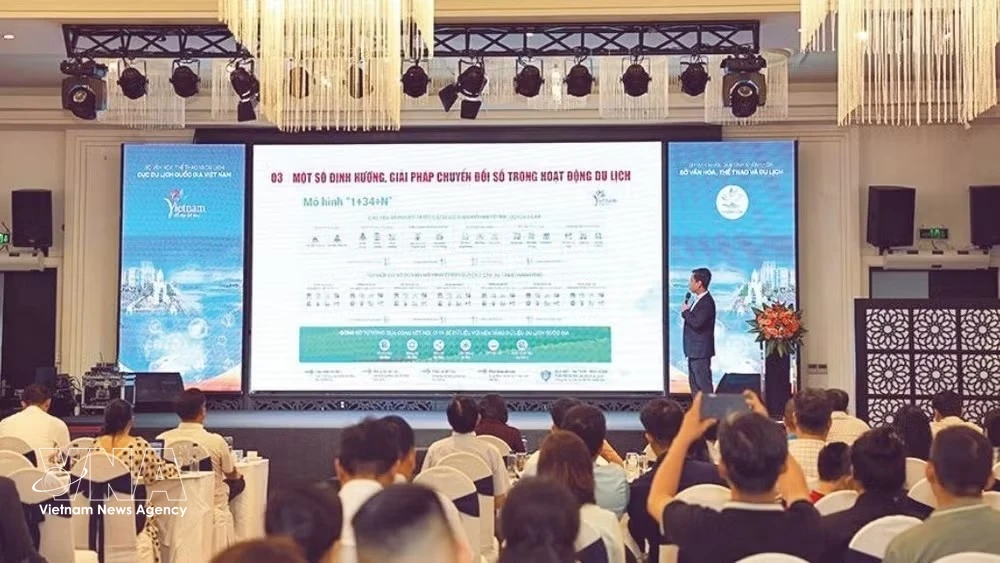
Under the country’s 2026–2030 digital economy and digital society development programme, the tourism sector has been identified as one of the priority ones for accelerating digital transformation to improve governance efficiency, service quality, and visitor experiences. Industry officials said advances in sci-tech, innovation and digital transformation are already wrenching tourism away from a bulk-volume model toward one built on data, customised experiences and smart governance. Deeper global integration is further widening market access, tightening value chain links and sharpening Vietnam’s destination brand. Chairman of the Vietnam Tourism Association Vu The Binh said AI is opening up new opportunities, from analysing trends and personalising products to optimising promotion, revenue management and visitor flow forecasting, while shaping a smart tourism ecosystem. Currently, Vietnam has more than 600 agricultural and rural tourism models, generating over 25 trillion VND (956 million USD) in annual revenue. The sector has become an important source of income for many rural communities seeking to diversify their livelihoods. The tourism sector will implement a series of key tasks and solutions in the last six months of 2026 to realise the goal of making tourism a leading economic industry in the new development era. With its cool climate, rich natural resources and diverse tourism offerings, Lam Dong aims to welcome 25.8 million visitors in 2026, further strengthening its position as one of Vietnam's leading tourism destinations. Ta Xua is rolling out a campaign titled “Bringing Ta Xua to the world” and aims to establish the image of “Ta Xua - a sea of clouds, majestic nature and Mong cultural identity” during the 2028-2030 period. The Hai Phong–Ho Chi Minh City and Hai Phong–Phu Quoc routes, operated by Sun PhuQuoc Airways, will enhance connectivity between the sides, encourage two-way visitor flows, and create fresh momentum for regional tourism development. Just a two hour drive from Ho Chi Minh City, Ba Den Mountain has long been a favourite destination for weekend getaways. What keeps visitors returning is not only its convenient location, but also the fact that every visit offers something new to discover. On July 11, the day of the DIFF 2026 finale, accommodation establishments in Da Nang served about 131,000 visitors, an increase of 16% from a year earlier. International visitors totalled 52,400, up 27% year-on-year, while domestic visitors reached 78,600, an increase of nearly 10%. The central province of Quang Tri is working with the Vietnam Railways Corporation (VRC) to complete the project, which is expected to create a distinctive railway tourism product linking major heritage sites and scenic destinations across Vietnam's north-central region while strengthening regional tourism connectivity. Quang Ninh is looking to build partnerships to steer more Russian visitors to Ha Long Bay and other local attractions. Beyond the UNESCO World Heritage Site of Ha Long Bay, the province holds diverse advantages in marine tourism, cultural attractions, luxury resorts and wellness services. Bach Ma National Park, home to one of Vietnam's richest biodiversity reserves, is stepping up efforts to transform its unique natural assets into sustainable tourism products while maintaining long-term conservation goals. Across Vietnam and around the world, travel inspired by music and film has become an increasingly influential trend. Cultural blockbusters can provide destinations with extraordinary visibility and a level of publicity that money alone often cannot buy. But attracting visitors is only the beginning. The Association of Tour Operators of Russia (ATOR) reported that Vietnam ranked fourth among the best-selling package tour destinations in the Russian market in July, capturing a 7.8% market share, up 3.2 percentage points year-on-year. The country overtook Thailand (4.7%) and China (4.3%). These efforts demonstrate Vietnam's strong commitment to leveraging data and technology to build a more sophisticated, sustainable, and internationally competitive tourism ecosystem.

0

多角的分析

経済的影響

ベトナム政府は、観光を主要な経済産業へと育成するため、デジタル変革を強力に推進しています。これは、単なるサービス業の近代化に留まらず、データ分析に基づいた個別最適化された観光体験の提供を通じて、付加価値の向上と収益構造の強化を目指すものです。AIの活用は、需要予測やマーケティング戦略の精度を高め、資源の効率的な配分を可能にします。また、地方の農業・農村観光モデルへの投資は、地域経済の活性化と所得格差の是正にも貢献し、経済成長の裾野を広げる戦略と言えます。

投資家心理

ベトナムの観光セクターにおけるデジタル変革とスマート化への投資は、投資家にとって大きな機会をもたらします。データ分析プラットフォーム、AIを活用した顧客管理システム、デジタルマーケティング関連企業への投資は、成長ポテンシャルが高いと考えられます。特に、個別化された体験や持続可能な観光への関心の高まりは、新しいビジネスモデルやサービスへの投資を促すでしょう。ただし、インフラ整備の遅れや、デジタルリテラシーの地域間格差といったリスク要因も考慮する必要があります。

社会的影響

スマート観光エコシステムの構築は、観光客に質の高い体験を提供する一方で、地域住民の生活や文化への影響も考慮する必要があります。例えば、タ・シュア地域における「モン族の文化」を前面に出した観光振興は、文化の商業化や変容を招く可能性があります。また、観光客の増加に伴うインフラへの負荷や、環境への影響も懸念されます。地域住民が観光の恩恵を直接受けられるような、持続可能で包摂的な観光モデルの設計が、社会的な摩擦を避ける上で重要となります。

市民の声

ベトナム国民にとって、スマート観光の進展は、より便利でパーソナライズされた旅行体験を享受できる機会を増やすでしょう。例えば、AIを活用した旅行プランニングツールや、多言語対応の案内サービスは、国内外からの観光客にとって大きなメリットとなります。一方で、地方の観光資源開発においては、地元住民の生活様式や文化が尊重され、観光収入が地域社会に還元される仕組みが求められます。また、デジタル化の恩恵が一部の地域や層に偏らないような配慮も必要です。

背景・歴史的文脈

ベトナム政府は、2020年頃から観光業のデジタル化を国家戦略として位置づけ、2025年までに観光を主要産業に育成する目標を掲げてきました。特に、新型コロナウイルス感染症パンデミックを経て、非接触型サービスやオンライン予約システムの重要性が増し、デジタル変革への機運がさらに高まりました。今回の報道は、この流れを汲み、AIやデータ分析といった最先端技術を導入することで、観光業の質的向上と国際競争力の強化を目指す、ベトナムの長期的な国家開発戦略の一環として理解できます。これは、中国との経済的依存度を低減し、多様な成長エンジンを模索するベトナムの経済政策とも連動しています。

原文ソース

VietnamPlus English

原文を読む