General articles are free for 24 hours after publish.
Philippines Shows Significant Improvement in International Education Assessment, but Bullying Rises
The Philippines has significantly improved its rankings in reading, mathematics, and science in the 2025 Programme for International Student Assessment (PISA). However, alongside academic gains, an increase in student bullying has also been highlighted.
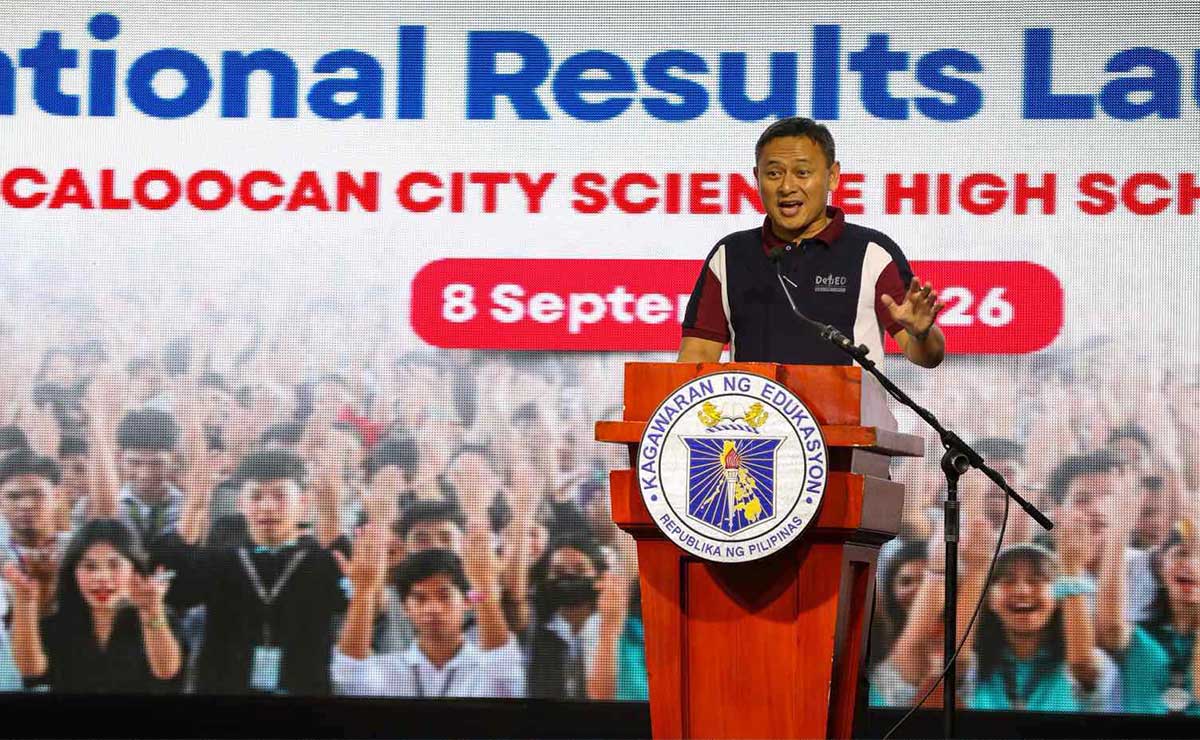
The Philippines has significantly improved its rankings in the 2025 Programme for International Student Assessment (PISA), moving up from its near-bottom positions in 2022. According to the latest PISA results, the country now ranks 15th in science, 17th in mathematics, and 19th in reading, when ranked from the bottom. This marks a substantial leap from the 2022 PISA results, where the Philippines ranked sixth from the bottom in reading and mathematics, and third from the bottom in science, out of 81 participating countries. In the 2025 assessment, Filipino students achieved mean scores of 373 in science, 371 in mathematics, and 367 in reading, representing increases of 17, 16, and 20 points, respectively, from their 2022 scores. Data from the Organization for Economic Co-operation and Development (OECD) indicates that the Philippines is among the countries showing significant changes between 2022 and 2025, alongside nations like Georgia, Cambodia, and Jordan. Other countries on this list include Montenegro, the United Arab Emirates, Saudi Arabia, Thailand, and Turkiye. Education Secretary Sonny Angara announced the marked improvement, attributing it to the sustained efforts of the Marcos administration to enhance the country's learning outcomes. "This is a significant achievement for our learners and for the entire Philippine education system," Angara stated. "But more than the numbers, we are seeing evidence that our learners are capable of making real and meaningful progress. We should be proud of how far our learners and teachers have come, but we should be even more determined about how much farther we can go." Andreas Schleicher, OECD Director for Education and Skills, commended Filipino teachers and school leaders, calling the results "a story that deserves to be noticed far beyond your borders." He presented the results during the national launch at Caloocan City Science High School. The latest results also show an increase in the proportion of Filipino learners attaining Level 2 proficiency or higher, the baseline under PISA. In science, this share rose from 23 percent to 32 percent; in mathematics, from 16 percent to 21 percent; and in reading, from 24 percent to 31 percent. However, Angara also highlighted a concerning rise in verbal and cyberbullying among students compared to the 2022 PISA results. In the 2025 data, 33 percent of students reported being made fun of, up from 22 percent in 2022. Reports on the spread of rumors also increased from 15 percent to 19 percent. Physical bullying saw a slight decrease, from 16 percent to 15 percent, while reported threats between students remained unchanged at 19 percent. The Second Congressional Commission on Education (Edcom 2) hailed the PISA results, stating that the country's educational reforms are "on the right track" and "gaining momentum." The commission emphasized that this progress is a collective national achievement, resulting from the collaboration of teachers, parents, civil society, legislators, and local government units in addressing the learning crisis. "This step forward demonstrates what we can achieve when the nation works together with urgency, purpose, and resolve," it added. Information Source: Inquirer NewsInfo
Original source
Inquirer NewsInfo