General articles are free for 24 hours after publish.
Bangkok's Data Center Boom Faces Regulatory Reckoning Amid AI Surge
Bangkok's booming AI-driven digital expansion has exposed regulatory gaps in its data center development, leading to environmental concerns and strain on power grids. Authorities are now rushing to implement new rules to balance economic promise with ecological risks.
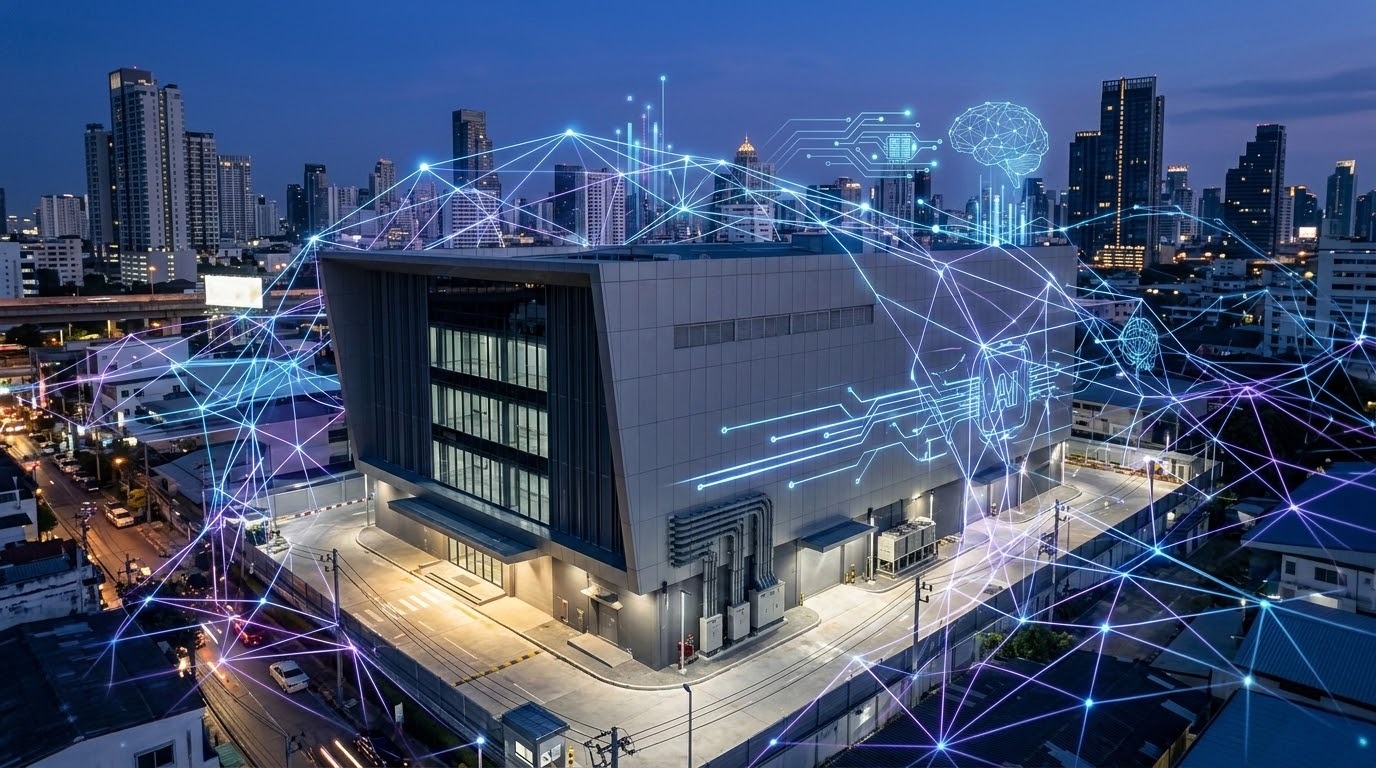
Bangkok is grappling with an unprecedented digital expansion driven by AI, but this boom is exposing severe environmental risks, strains on the power grid, and growing public outcry, forcing the government into a high-stakes regulatory reckoning. The issue came to light not through an official inspection, but a nauseating oil odor emanating from a new facility, BKK01, linked to a $1 billion investment by Dubai-based DAMAC. Authorities discovered 200,000 liters of oil stored without a permit, cracking open a larger problem: Bangkok hosts 30-35 data centers, with dozens more under construction and over a hundred awaiting approval nationwide. Thailand has suspended 49 data center projects, more than currently operational, due to a loophole allowing them to be approved as warehouses, bypassing proper regulation. Digital Economy and Society Minister Chaichanok Chidchob acknowledged facilities were built where not permitted, prompting Bangkok Governor Chadchart Sittipunt to halt new permits and review urban planning and EIA processes. Data centers carry significant environmental footprints. Research indicates Bangkok's facilities project a power demand of at least 247 megawatts and annual water consumption of roughly 4.4 million cubic meters, comparable to tens of thousands of households. Concerns also include a 'data center heat island' effect. Unusually, much of this infrastructure has landed in one of Southeast Asia's densest urban cores. In response, Prime Minister Anutin Charnvirakul has ordered new nationwide data center rules within a month, covering electricity pricing, water use, siting, and safety. A supervisory commission is tasked with closing regulatory gaps. Electricity tariffs specifically for data centers and tighter scrutiny in dense districts are reportedly on the table. A 31 billion baht transmission grid upgrade is also underway. These measures aim to keep investment flowing while providing regulators legal grounds to reject problematic projects early. Public sentiment is nuanced; while not against AI, many manufacturers are skeptical about direct local benefits, citing reliance on imported equipment and foreign specialists. This skepticism, coupled with anger over lax safety and environmental rules, fuels the current scrutiny. Thailand is committed to the data center industry, vital for recent growth from giants like Google and TikTok. However, the unchecked expansion of the past two years, treated as an unavoidable cost, is indefensible. Unlike other jurisdictions that establish rules before construction, Thailand skipped this step. The government now faces a narrow window to prove its promised reforms are a genuine fix, not just a retroactive legalization of past developments.
Original source
Thailand Business News