Cambodia: Skills Recognition for Former Thai Workers Boosts Careers
Society
2026年7月15日
3
Kampuchea Thmey Local
Relations
🇰🇭Cambodia🇹🇭Thailand

Cambodia: Skills Recognition for Former Thai Workers Boosts Careers

AI サマリー

Kim Teng, a former Cambodian migrant worker returning from Thailand, highlighted the importance of skills recognition tests (RPL). He stated that these tests facilitate easier local employment, higher incomes, and international recognition of skills across Asia.

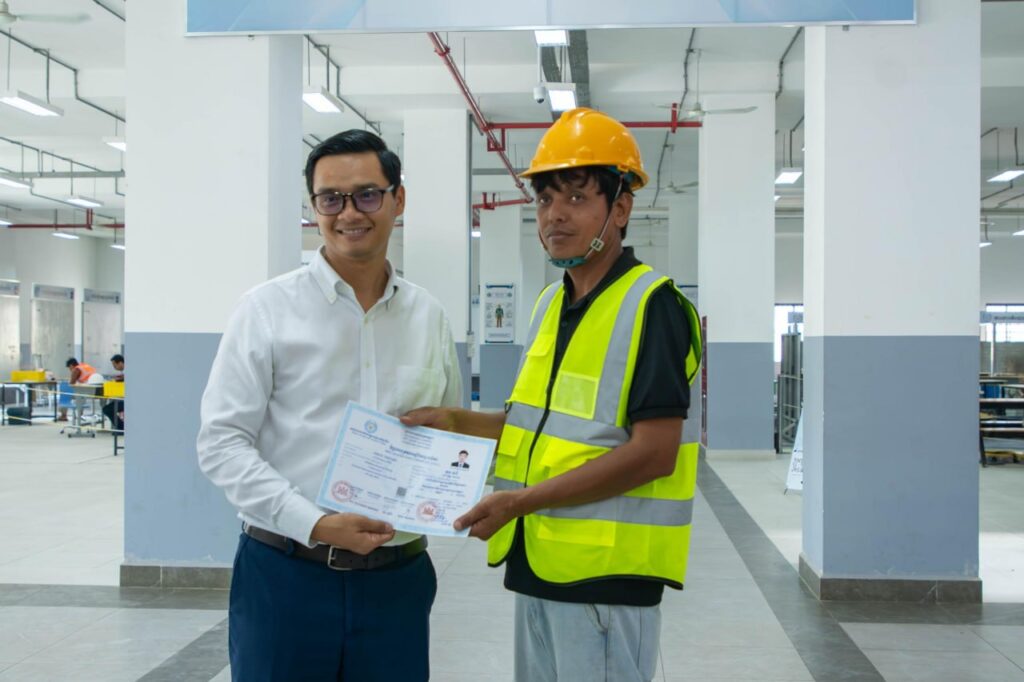
Kim Teng, a former Cambodian migrant worker who returned from Thailand, stated that skills recognition tests (RPL) not only make it easier for him to find work locally but also allow him to earn a higher income than before and gain regional recognition for his skills. He believes that a skills certificate is a key factor in increasing employment opportunities and career advancement. "Employment opportunities are important, and income is also important. When we have a certificate to present when looking for a job at a company, we are given high priority for acceptance. There are also many jobs in Cambodia," he said. He also urged former workers returning from Thailand who have not yet had their skills certified to take the RPL test to make it easier to find work in the future. He explained that this skills test offers many benefits for former migrant workers, including: 1. Easier to find work locally. 2. Earning a higher income than before. 3. Recognition by countries throughout Asia. Former workers returning from Thailand who do not have skills certificates and are unemployed are encouraged to take the RPL test to obtain skills recognition directly from the Ministry of Labor, free of charge. This opens the door for them to secure jobs with higher incomes, better social benefits, and greater security.

多角的分析

経済的影響

カンボジア政府が推進する技能認定制度(RPL)は、国内労働市場の質的向上と、海外からの帰国労働者の再統合を促進する経済政策の一環である。タイなどの近隣諸国で培われた労働力のスキルを公式に認め、国内産業の生産性向上に繋げることが期待される。これにより、低賃金労働から脱却し、より付加価値の高い産業への労働力シフトを促す狙いもある。

投資家心理

元労働者の技能認定は、カンボジア国内の労働力プールにおけるスキルの均質化と向上を意味し、投資家にとって予測可能性を高める要因となる。特に製造業や建設業など、熟練労働者を必要とする産業への投資リスクを低減させる可能性がある。国際的な技能認知は、カンボジアをハブとしたサプライチェーン構築の魅力も高めるだろう。

社会的影響

タイからの帰国労働者が直面する最大の課題の一つは、海外で習得した技能が国内で正当に評価されないことである。RPLテストの導入は、こうした労働者の社会的な疎外感を軽減し、尊厳を取り戻す機会を提供する。技能認定は、単なる就職支援に留まらず、彼らがカンボジア社会の一員として貢献できるという実感を与える点で重要である。

市民の声

タイからの帰国労働者にとって、技能認定は生活の質を向上させる直接的な手段となる。RPLテストを通じて得られる資格は、より良い賃金の仕事に就くためのパスポートとなる。これにより、家族への送金が増加し、教育や医療へのアクセスが改善されるなど、地域経済への波及効果も期待できる。

背景・歴史的文脈

カンボジアでは、経済発展に伴い、多くの国民がタイをはじめとする近隣諸国へ出稼ぎに出ている。特にタイには、建設業や農業、サービス業などで多くのカンボジア人労働者が従事している。しかし、これらの労働者は、海外で習得した技能や経験を、帰国後に国内で正式に評価・認定される機会が限られていた。このため、帰国後に希望する職に就けず、低賃金の仕事に留まるケースが少なくなかった。カンボジア政府は、こうした状況を改善し、海外で培われた人的資本を国内経済の発展に活用するため、労働省を中心に技能認定(Recognition of Prior Learning - RPL)プログラムを推進している。

原文ソース

Kampuchea Thmey Local

原文を読む