Da Nang Aims to Attract 'High-Quality Capital' Through Superior Institutions
Business
2026年7月7日
4
VnExpress

Da Nang Aims to Attract 'High-Quality Capital' Through Superior Institutions

AI サマリー

Da Nang City in central Vietnam aims to become a new growth pole by attracting high-quality capital, technology, and talent through superior policy execution and institutions. Government officials and experts acknowledge the city's strategic location, infrastructure, and international connectivity, while emphasizing the importance of concrete implementation and effective operational mechanisms.

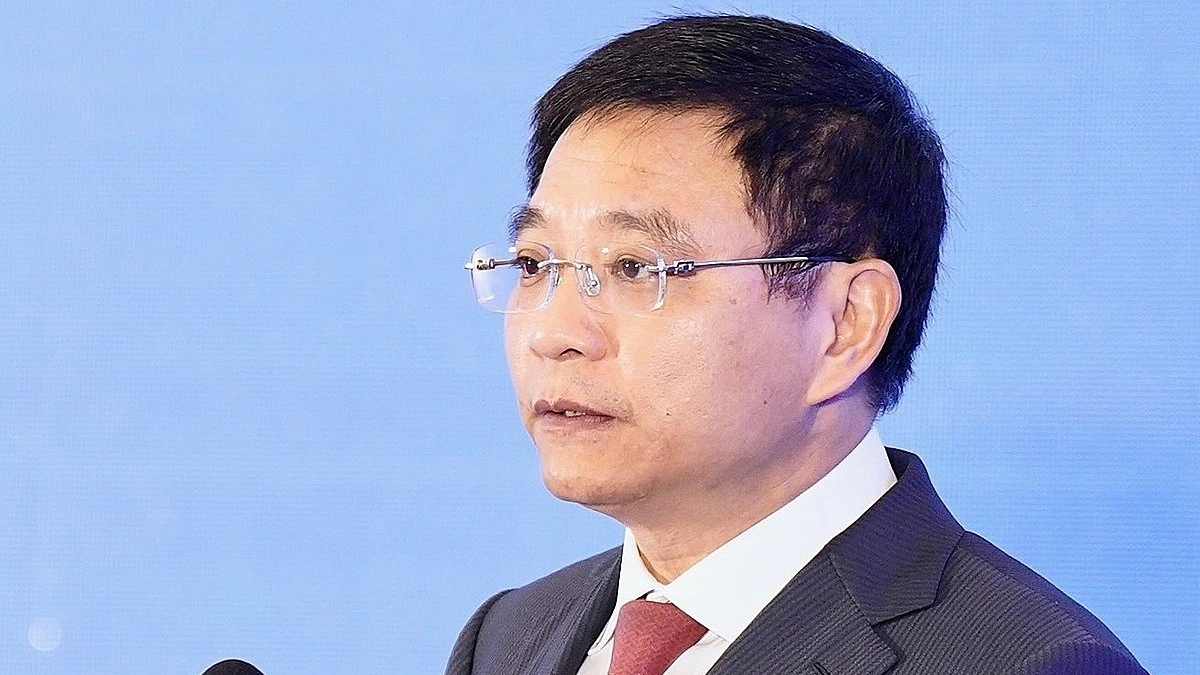
Da Nang City in central Vietnam is aiming to become a new growth pole by leveraging its superior policy execution capabilities and institutions to attract high-quality capital, technology, and talent. At the "Economy, Finance, and Technology Week 2026" and High-Level Policy Dialogue Conference held on July 7, Deputy Prime Minister Nguyen Van Thang highly praised Da Nang's strategic location in the central region, its developed infrastructure, and expanding international connectivity. Following its merger with Quang Nam province, the city is poised to form a multi-polar structure, integrating urban development, industry, logistics, services, finance, and innovation. However, Deputy PM Thang noted that Da Nang needs to enhance its implementation capacity and effective operational mechanisms, rather than solely focusing on vision or large-scale projects. "The city needs to shift its focus to attracting high-quality capital, technology, talent, and long-term partners to become a new growth engine," he advised, emphasizing that the greatest value of urban development lies in its ability to create connections between people, businesses, and knowledge, rather than concentrating on real estate. Experts believe the new growth structure will be driven by three key engines: urbanization, continuous learning, and artificial intelligence (AI). Professor Paul Romer, a Nobel laureate in Economics, stated that the primary value of Foreign Direct Investment (FDI) extends beyond capital, offering opportunities for workers to access technology and improve their skills. From an urban planning perspective, Associate Professor Dr. Hoang Vinh Hung, Director of the National Institute for Urban and Rural Planning, analyzed that the deciding factors for a growth pole are no longer population size or area, but superior institutions, high-quality human resources, and an innovation ecosystem. He assessed that Da Nang has the full potential to become a new growth pole if it can form high-tech industrial clusters and strengthen linkages with neighboring production centers to create complete supply chains. Investors prioritize political stability, transparency, and long-term predictability of the legal system when choosing destinations. Mr. Shanmuga Retnam, founder of the World Cities Summit, analyzed that investors seek an environment that can ensure stable business operations for the next 10-20 years. Mr. Thai Thanh Quy, Permanent Deputy Head of the Central Committee for Policy and Strategy, proposed that Da Nang should prioritize enhancing its institutional and strategic management capabilities, leading in institutional reform and conducting controlled policy experiments. The concretization of special mechanisms with transparent processes, clear responsibilities, risk management mechanisms, and substantive performance evaluation is crucial. Dr. Mirjam Staub-Bisang, Chair of BlackRock Switzerland, suggested that Vietnam should adopt a Blended Finance model, using a portion of preferential capital from the state or development organizations as a "seed fund" to share risks, thereby attracting investment funds, pension funds, insurance companies, and the private sector to participate in green projects. Responding to these inputs, Mr. Le Ngoc Quang, Secretary of the Da Nang City Party Committee, reaffirmed the city's goal of becoming a global city not by population or area, but by the quality of governance, the attractiveness of its investment environment, its innovation capacity, and its connectivity. Da Nang aims to establish itself as a regional innovation hub by defining five key roles: a growth pole for the central region; a pioneer in institutional experimentation; a center for attracting high-quality resources; a hub for the digital economy, semiconductors; and building a city worthy of contribution.

多角的分析

経済的影響

ダナンが質の高い資本を誘致するという目標は、ベトナム経済全体の構造転換の試みと連動している。政府は、従来の労働集約型産業から、より付加価値の高い、技術集約型の産業への移行を推進しており、ダナンはそのための実験場となり得る。特に、AIや半導体といった先端技術分野への投資は、ベトナムがグローバルサプライチェーンにおける地位を高め、長期的な経済成長を持続させる上で不可欠である。しかし、これは国内の技術人材育成や教育システムの改革とも密接に関連しており、単なる外資誘致だけでは達成できない課題である。

投資家心理

投資家にとって、ダナンの魅力は、地理的な利点やインフラだけでなく、ベトナム政府が約束する「卓越した制度」にかかっている。具体的には、法制度の安定性、透明性の高い行政手続き、そして将来予測可能な政策運営が求められる。特に、AIや半導体といった先端技術分野への投資は、長期的な視点での収益性とリスク分散が重要となるため、政府による支援策やインセンティブが投資判断に大きく影響するだろう。混合金融モデルの適用は、リスクを軽減し、民間投資を呼び込む上で有効な手段となり得る。

社会的影響

ダナンが「質の高い資本」を誘致するという目標は、都市の住民生活にも影響を与える。質の高い資本とは、単なる資金だけでなく、高度な技術や知識を持つ人材も含む。これにより、地域経済が活性化し、新たな雇用機会が創出される可能性がある。一方で、都市化の進展は、住宅価格の上昇やインフラへの負荷増大といった課題も引き起こす可能性がある。また、「15分都市」構想は、市民の利便性向上に寄与する一方、都市計画の実行段階での住民参加や、既存コミュニティとの調和が重要となる。

市民の声

ベトナム政府は、ダナンを新たな成長極とするために、政策実行能力と制度の優位性を強調している。これは、地方都市の発展が、ベトナム全体の一党体制下での経済成長戦略の重要な一部であることを示唆している。ダナンが「質の高い資本」を誘致できれば、それは単なる経済指標の向上に留まらず、国民全体の生活水準向上に繋がる可能性を秘めている。しかし、その恩恵が国民全体に公平に行き渡るか、また、経済成長の過程で生じる環境問題や社会格差にどう対処していくかが、今後の重要な課題となるだろう。

背景・歴史的文脈

ベトナムは、1986年のドイモイ(刷新)政策以降、市場経済化を推進し、目覚ましい経済成長を遂げてきた。特に近年は、グローバルサプライチェーンの再編や米中貿易摩擦を背景に、外国直接投資(FDI)の受け皿として注目度を高めている。しかし、経済成長の持続には、労働集約型産業からの脱却と、より付加価値の高い、技術集約型産業への転換が不可欠とされている。ダナン市は、ベトナム中部の主要都市として、この構造転換における重要な役割を担うことが期待されており、政府は同市を新たな成長極として育成する方針を打ち出している。そのために、従来の行政手続きや制度の壁を取り払い、国際的な投資環境に合致した「卓越した制度」の構築を目指している。

原文ソース

VnExpress

原文を読む