General articles are free for 24 hours after publish.
Rebel government saves over $4 million by cutting palm oil imports, but people face shortages and high prices
The interim government, aiming to save foreign exchange, has reduced imports of palm oil, a basic commodity that the public needs, resulting in savings of over four million US dollars. However, the general public is no l
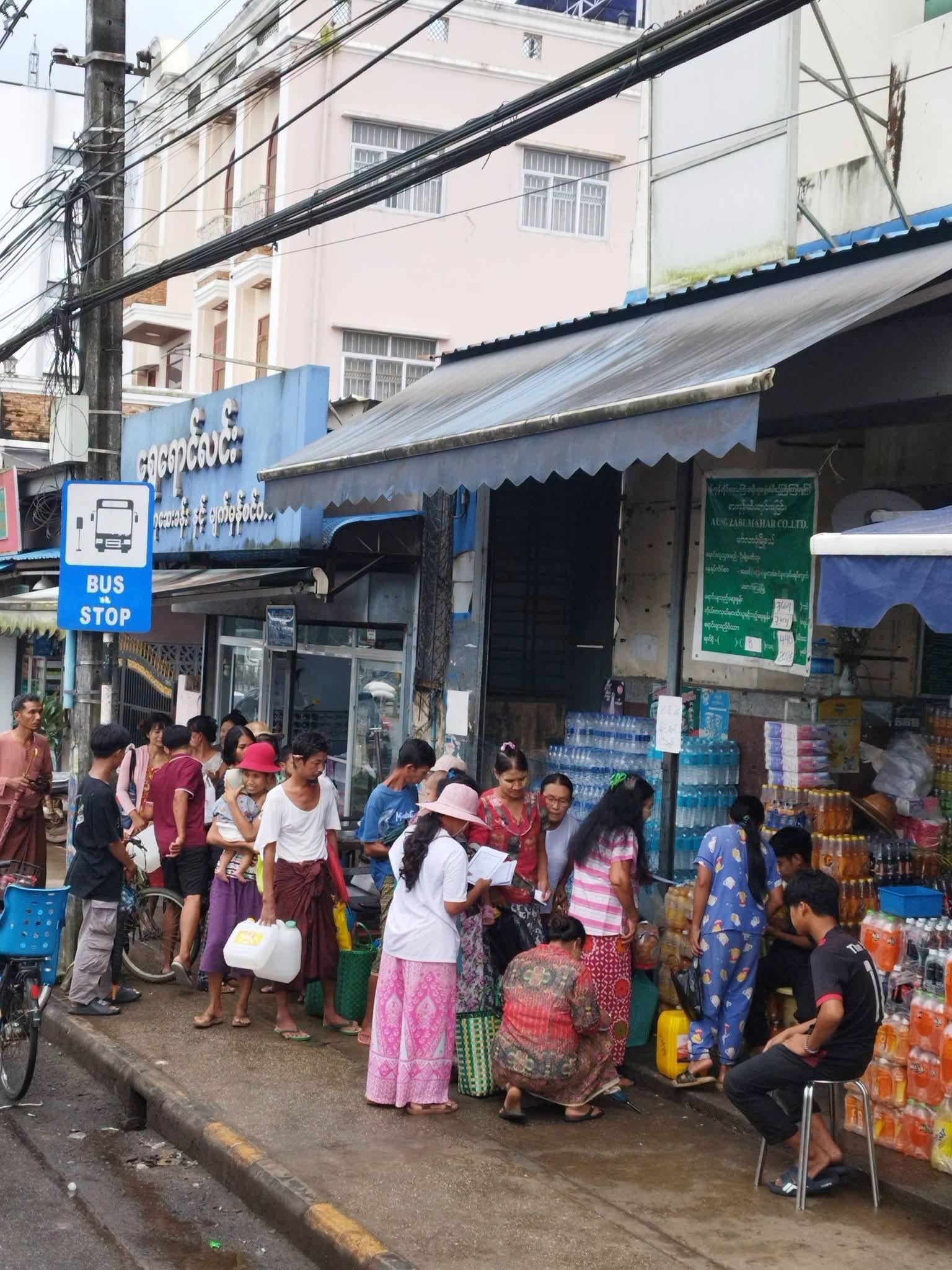
The interim government, aiming to save foreign exchange, has reduced imports of palm oil, a basic commodity that the public needs, resulting in savings of over four million US dollars. However, the general public is no longer receiving sufficient palm oil rations and is forced to purchase it at high prices in the external market, making their livelihoods increasingly difficult, it has been learned. The interim government imported nearly 650,000 tons of palm oil in the previous 2025-2026 fiscal year, costing over 7 million US dollars. However, as of September 11 of this year (2026-2027), only over 250,000 tons of palm oil have been imported, costing just over 3 million US dollars, thus saving over 4 million dollars, according to the interim government. After gradually reducing palm oil imports, the interim government is distributing it to the public through a rationing system only to those with household registration and has set weight limits for palm oil, leading to shortages faced by the public. "It's been a long time since we couldn't get palm oil. We have to buy and use it from outside. They only give it to those with household registration. Even they don't get much. Peanut oil costs over 20,000 kyats per viss (approx. 1.6 kg), so we can't afford it. We use vegetable oil. That also costs over 10,000 kyats. Since we can't get oil, our food expenses are higher," said a woman residing in Insein Township, regarding the current difficulties she is facing, to the Irrawaddy Times. While reducing palm oil imports, Interim President Min Aung Hlaing has stated that it is necessary to systematically expand the cultivation of oil-bearing crops such as peanuts, sesame, sunflower, soybeans, and oil palm to achieve target yields in each region for domestic edible oil sufficiency. A survey of 220 households in Naypyidaw revealed that 63 percent of a household's monthly income is spent on food, with rice and oil being the largest expenditures, accounting for 17.75 percent for rice and 13.16 percent for oil, respectively, according to a November 2021 survey by the Food and Fertilizer Technology Center for the Asian and Pacific Region (FFTC-AP). Currently, the general public, especially the lower-income class, primarily consumes affordable palm oil. However, domestic peanut oil, sesame oil, and sunflower oil are not fully utilized due to the disparity between public purchasing power and production costs, it has been learned. Last week, the reference price for palm oil was 7,179 kyats per viss, as announced by the interim government's committee overseeing the import, storage, and distribution of edible oil. However, the current market price ranges between 17,000 and 20,000 kyats, according to market sources. Photo – Irrawaddy Times
Original source
Ayeyarwaddy Times