World Bank Lending Unchanged for Philippines Post-UMIC Upgrade; Challenges Noted
Business
2026年7月17日
5
Philstar Business

World Bank Lending Unchanged for Philippines Post-UMIC Upgrade; Challenges Noted

AI サマリー

The World Bank will maintain its lending program for the Philippines despite the country's recent upgrade to upper-middle income country (UMIC) status. However, the bank also highlighted the need for further reforms, particularly in improving the business environment.

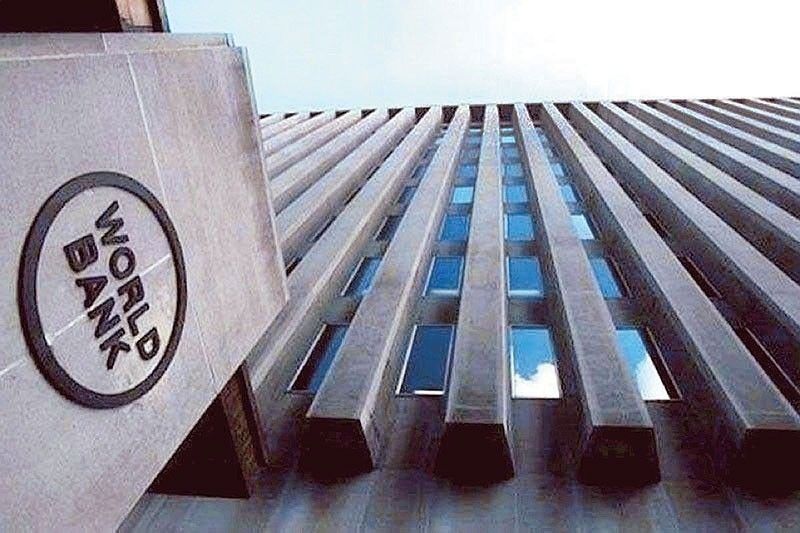
MANILA, Philippines — The country’s recent ascent to upper-middle income country (UMIC) status will not affect the World Bank’s lending program for the Philippines. The multilateral lender said the income upgrade is also expected to encourage foreign investments into the Philippines. “From the World Bank perspective, moving to upper-middle income country will not affect our program. Our lending will not change. Our program will remain the same,” World Bank division director for the Philippines Zafer Mustafaoglu said in an interview with “Money Talks” aired over One News yesterday. Under its country partnership framework for the Philippines for 2025 to 2031, the World Bank aims to improve Filipinos’ quality of life by expanding opportunities and strengthening resilience. The framework focuses on protection for the poor, education, health, job creation, resilience, digital connectivity and encouraging private investment. With the Philippines’ recent entry into the upper-middle income grouping, Mustafaoglu said the World Bank would be focusing on supporting the country’s reform measures. ‘Upper-middle income country status is a milestone, but it’s not the end. It is important to continue focusing on key reform areas, key bottlenecks to overcome and continue supporting the country,” he said. He said that the World Bank would continue to support the Philippines in terms of infrastructure, addressing learning gaps, health, as well as digitalization. He also said that the World Bank is focused on helping the Philippines mitigate the impact of the Middle East crisis, particularly on the poor. While the upper-middle income status is expected to encourage foreign investments to the country, he also said that creating a good business environment is important. “When I look at the Philippines, opening a firm is still a challenge. It takes 75 days in the Philippines compared to one to three days in neighboring countries,” he said. He said the opening of businesses is very important for job creation and for economic growth. While Philippine economic growth slowed to 2.8 percent in the first quarter, the World Bank expects the economy to recover after this year. Mustafaoglu said that the World Bank expects the economy to post an average growth of around 5.5 percent in 2027 and 2028. Earlier, the World Bank said it expects the Philippine economy to grow by 3.7 percent this year, within the government’s revised 3.5 to 4.5 percent growth target for this year. The economy grew by 4.4 percent in 2025.

多角的分析

経済的影響

フィリピンのUMIC昇格は、国際社会における同国の経済的地位向上を示す象徴的な出来事である。しかし、世界銀行の融資プログラムが維持されることは、同国が依然として開発途上国としての支援を必要としていることを示唆している。特に、ビジネス環境の改善、すなわち会社設立手続きの簡素化は、外国直接投資(FDI)の流入を促進し、雇用創ちや経済成長に不可欠な要素である。近隣諸国との比較で遅れが見られる点は、構造的な課題であり、これを克服することが持続的な経済成長の鍵となる。世界銀行が予測する5.5%という中長期的な成長率は、潜在的な成長力を示しているが、その実現には国内改革の進展が不可欠である。

投資家心理

フィリピンのUMIC昇格は、一定の経済的安定性と成長ポテンシャルを示すサインであり、投資家にとって魅力が増す可能性がある。世界銀行の融資プログラムが維持されることは、インフラや社会開発分野への継続的な投資が見込まれることを意味し、間接的な投資機会をもたらすだろう。しかし、会社設立手続きの煩雑さといったビジネス環境の課題は、投資家にとってリスク要因となる。これらのボトルネックが解消されれば、さらなるFDI流入が期待でき、株式市場や債券市場への投資意欲を高めるだろう。中東情勢への懸念も、グローバルな投資センチメントに影響を与える可能性があるため、注視が必要である。

社会的影響

フィリピンのUMIC昇格は、国家レベルでの進歩を示す一方で、国民生活への直接的な恩恵は、所得格差や地域間の開発の不均衡によって限定的になる可能性がある。世界銀行が貧困層保護や教育、健康への支援を継続する方針は、こうした社会的な課題への取り組みを裏付けるものだ。しかし、会社設立手続きの遅延は、特に中小企業や起業家にとって、新たな雇用機会の創出を妨げる要因となり得る。マニラ首都圏だけでなく、地方都市においても、ビジネス環境の改善は、地域経済の活性化と国民全体の生活水準向上に不可欠な要素となる。学習機会の格差是正やデジタル接続性の向上は、将来世代の機会均等に繋がる重要な社会投資である。

市民の声

UMIC昇格は、フィリピン市民にとって、国の経済的な進歩を実感する機会となるかもしれない。しかし、世界銀行の融資プログラムが維持されることは、依然として多くの国民が、インフラの不備や教育・医療へのアクセスといった開発途上国特有の課題に直面していることを示唆している。特に、会社設立に75日もかかるという現実は、新規事業の立ち上げを希望する人々や、より多くの雇用機会を求める若者にとって、大きな障壁となる。中東情勢の悪化による経済への影響は、物価上昇などを通じて、一般市民の家計に直接的な影響を与える可能性があり、貧困層への支援策が喫緊の課題となる。生活実感としては、UMIC昇格というニュースよりも、日々の物価や雇用、公共サービスの質がどう改善されるかが問われている。

背景・歴史的文脈

フィリピンは、世界銀行の基準に基づき、国民一人当たりの国民総所得(GNI)が一定水準を超えたことで、低所得国(LIC)、下位中所得国(LMIC)、上位中所得国(UMIC)、高所得国(HIC)の分類でUMICに昇格した。この昇格は、同国の経済発展の証であるが、同時に国際社会からの期待も高まる。過去、フィリピンは経済成長と開発の遅れに苦しんできた経緯があり、特にインフラ整備の遅れや、ビジネス環境の非効率性が、外国投資の誘致や国内産業の発展を阻害する要因となってきた。世界銀行は、フィリピンのUMIC昇格後も、開発支援の枠組みを維持することで、これらの構造的な課題解決を後押しする意向を示している。これは、UMICへの移行が、開発段階における支援の終了を意味するのではなく、より高度な開発目標達成に向けた支援の継続を意味する。

原文ソース

Philstar Business

原文を読む