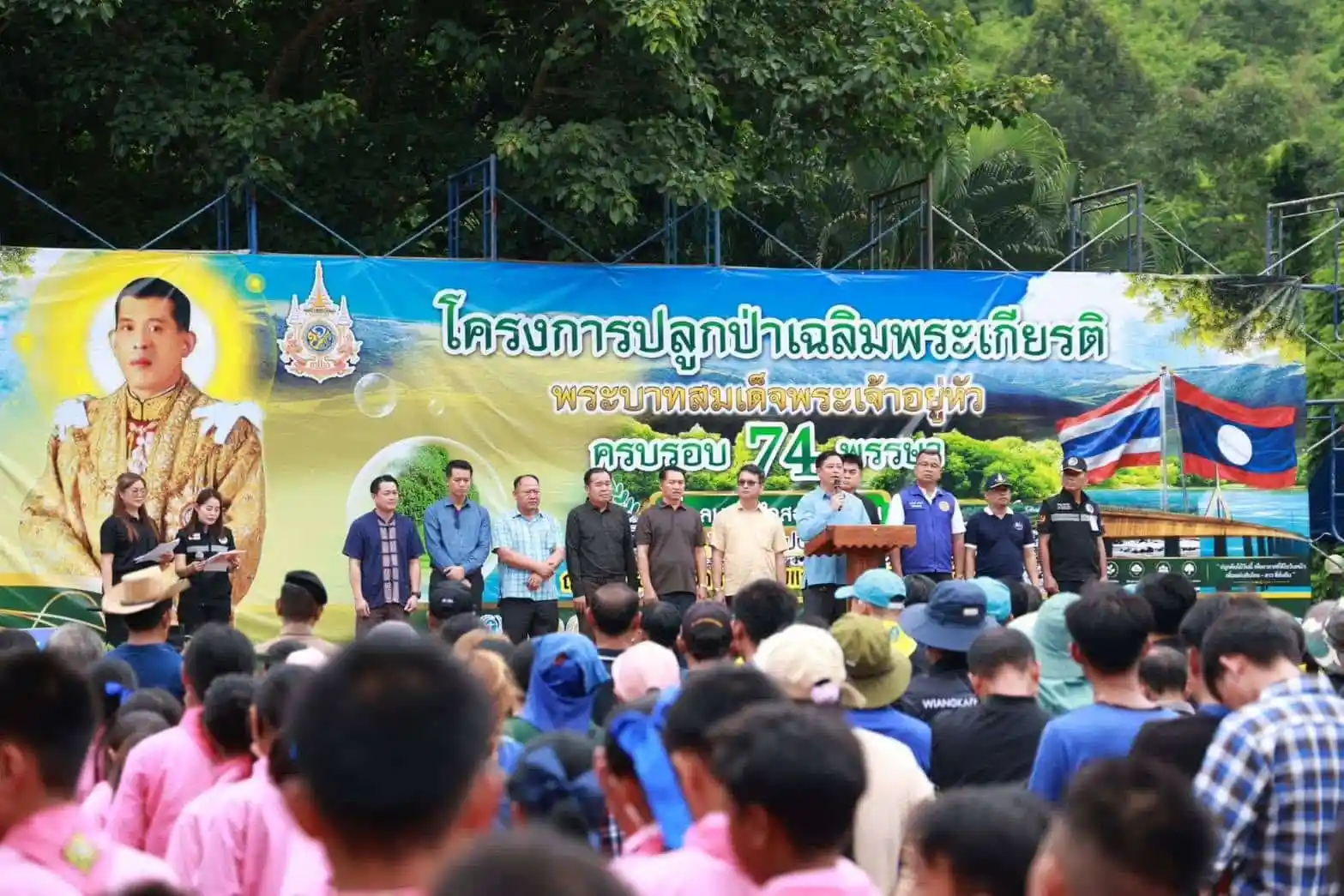
Chiang Rai, Laos Plant 7,400 Trees to Combat Border PM2.5 Smog
Environment
2026年7月8日
5
Chiang Rai Times
Relations
🇹🇭Thailand🇲🇲Myanmar🇱🇦Laos

Chiang Rai, Laos Plant 7,400 Trees to Combat Border PM2.5 Smog

AI サマリー

Chiang Rai Province, Thailand, and Laos have jointly planted 7,400 trees to combat cross-border PM2.5 pollution. This initiative aims to prevent dry season smog, protect community health, and foster environmental protection. The project also supports a shift to sustainable agriculture, strengthening bilateral ties.

CHIANG RAI – On July 7, 2026, Chiang Rai province took a major step to clean the local air. Local leaders joined hands with neighboring Laos to plant trees and fight cross-border smog. This bold move aims to stop the spread of harmful PM2.5 dust that hurts communities every dry season. Governor Chucheep Phongchai led the tree-planting event at Kaeng Pha Dai in Wiang Kaen district. He warmly welcomed Lao officials, including Mr. Somnuk Inthaphrom from Bokeo province. Over 800 local villagers, youth, and officials gathered to help plant the new forest together. The joint team planted 7,400 local trees to build a thick green buffer zone. These specific trees use helpful root fungi that make them grow faster and stronger in the wild. This natural barrier will help filter out dust, block harmful winds, and protect local water sources. This event marks a special celebration for the nation as well. It honors the 74th birthday of the Thai King while protecting the natural environment. The project brings together Wiang Kaen district in Thailand and the towns of Houay Xai and Pak Tha in Laos. Planting trees is just the first step in this border city partnership. The project also helps local farmers grow valuable crops like coffee instead of traditional field crops. By making money from coffee, farmers have a great reason to stop burning their fields. Stopping these open fires is the best way to cut down on PM2.5 pollution. Groups like TEI and GIZ are leading projects to make local farming much more sustainable. They want to change the whole system so that nature and people can thrive together safely. This green project does more than just plant forests in the rainy season. It builds deep trust and real friendship between the two neighboring countries. When the dry season arrives, these same teams will work together to build firebreaks and stop wildfires. Good teamwork between border towns is the best way to solve regional air pollution. By sharing the daily work, both Thailand and Laos can stop forest fires before they spread. This ensures that families on both sides of the Mekong River can breathe clean air. Ultimately, this parallel city model shows how local actions can solve huge regional problems. It proves that when neighbors work together, everyone enjoys a healthier and brighter future.

多角的分析

経済的影響

この植林プロジェクトは、短期的な環境改善だけでなく、長期的な経済的恩恵ももたらす。コーヒー栽培への転換支援は、農家の収入源を多様化し、野焼きという環境負荷の高い慣行からの脱却を促す。これは、地域経済の持続可能性を高め、新たな農業バリューチェーンの構築に繋がる可能性がある。また、森林保護は、将来的な観光資源としても期待できる。

投資家心理

環境・社会・ガバナンス(ESG)投資の観点から、この種の地域協力型環境プロジェクトは、投資家にとって魅力的な事例となり得る。特に、国際的な環境基準や持続可能性への関心が高まる中、タイとラオスのような国境を越えた協力は、リスク分散と地域社会へのポジティブな影響を両立させる投資機会を示唆している。ただし、具体的な投資リターンや市場への影響は、プロジェクトの進捗と成果に依存する。

社会的影響

PM2.5汚染は、チェンライ県だけでなく、タイ北部全域、さらにはラオス、ミャンマーにも影響を及ぼす広範な社会問題である。今回の植林活動は、直接的に住民の健康被害を軽減するだけでなく、両国の住民が共通の目標に向かって協力する機会を提供する。特に、子供たちや高齢者など、大気汚染の影響を受けやすい脆弱な層の健康を守る上で重要な一歩となる。また、農家が野焼きに代わる収入源を得ることで、生活の質の向上が期待できる。

市民の声

チェンライ県やラオスのボケオ県などの国境地域に住む住民にとって、PM2.5汚染は毎年のように悩まされる深刻な問題だ。特に乾季の数ヶ月間は、屋外での活動が制限され、呼吸器系の疾患が悪化するリスクが高まる。今回の植林プロジェクトは、住民が直接参加し、自分たちの生活環境を改善する行動を起こす機会を提供している。これにより、住民は自分たちの地域社会の未来に主体的に関与しているという意識を高めることができる。また、コーヒー栽培への転換は、農家にとって、より安定した収入と、環境に配慮した持続可能な生活様式への移行を意味する。

背景・歴史的文脈

タイ北部、特にチェンライ県やチェンマイ県などの地域では、毎年乾季(概ね11月から4月頃)になると、深刻なPM2.5汚染が発生する。主な原因は、農作物の残渣や森林の野焼き(焼畑農業)であり、これらの煙が風に乗って国境を越え、広範囲に拡散するため、タイだけでなくラオス、ミャンマーにも影響が及ぶ。この問題は、地域住民の健康被害、観光業への打撃、そして国際的な非難を招く要因となってきた。タイ政府は、野焼きの禁止や代替農法への転換を促す政策を推進してきたが、国境を越える汚染に対しては、関係国との協力が不可欠である。今回の植林プロジェクトは、こうした背景を踏まえ、直接的な大気浄化と、持続可能な農業への移行支援を組み合わせた、具体的な国境協力の試みである。

原文ソース

Chiang Rai Times

原文を読む