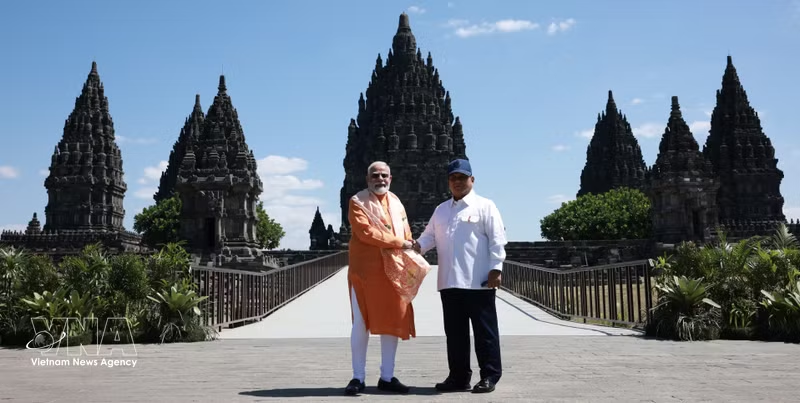
Indonesia, India Launch Cultural Heritage Conservation Project for Prambanan Temple
Indonesia and India have launched a cultural heritage conservation project for the Prambanan Temple Compounds, a UNESCO World Heritage site. This collaboration symbolizes the long-standing cultural exchange and ties between the two nations.
Indonesia and India have jointly launched a cultural heritage conservation project for the Prambanan Temple Compounds, a UNESCO World Heritage site. Speaking at an event on July 8, Indonesia's Prabowo described Prambanan as not just a historic monument but also a symbol of the great civilization of the Indonesian archipelago. He noted that the Ramayana bas-reliefs adorning the temple walls stand as vivid testimony to the centuries-old cultural exchanges and enduring ties between the civilizations of Indonesia and India. This project further deepens the strategic cooperation between the two nations. Indonesia has been looking to India, which seeks to strengthen ties with ASEAN (Association of Southeast Asian Nations), to play a larger role, and this cultural heritage conservation cooperation is seen as part of that effort. Furthermore, Indonesia aims to expand its share of the global Muslim tourism market by 2030, and cultural heritage conservation can also enhance tourism resources. From Vietnam's perspective, this cooperation between Indonesia and India can serve as a model case where the protection and utilization of cultural heritage in the region contribute to strengthening bilateral relations and economic development. Vietnam, with its rich historical and cultural heritage, could also benefit from international cooperation in protection and utilization, leading to tourism promotion and an improved international image. However, under its one-party system, Vietnam often adopts a centralized approach to cultural policy decisions and implementation, making domestic coordination and prioritization crucial for advancing such international cooperation. For Vietnam, which continues to experience economic growth, cultural heritage can be a new source of growth, but balancing its protection and development remains a constant challenge.
多角的分析
インドネシアとインドによるプランバナン寺院群の文化遺産保護プロジェクトは、両国間の観光産業の強化と文化交流の促進に寄与する。これは、長期的な経済成長戦略の一環として、文化資産を収益源として活用しようとする近年のASEAN諸国のトレンドとも合致する。特に、インドネシアが目指すムスリム観光市場の拡大において、イスラム教以前のヒンドゥー教寺院群の保存は、多様な文化体験を求める観光客にとって魅力的な要素となる。ベトナムも同様に、ユネスコ世界遺産を含む豊かな文化遺産を有しており、国際的な保護協力や観光開発は、外貨獲得や地域経済の活性化に貢献する可能性がある。
プランバナン寺院群のような世界遺産の保存・修復プロジェクトは、直接的な投資リターンは限定的であるものの、観光インフラへの間接的な投資を呼び込む可能性がある。文化遺産保護は、その地域のブランド価値を高め、長期的な観光客誘致に繋がるため、ホテル、旅行代理店、関連サービス業への投資機会を生み出す。ベトナムの投資家にとって、このような国際協力を通じて文化遺産保全のノウハウを学ぶことは、国内の多数の史跡や文化財の持続可能な開発に役立つだろう。ただし、ベトナムの一党体制下での意思決定プロセスは、国際協力のスピードや柔軟性に影響を与える可能性がある。
プランバナン寺院群の文化遺産保護プロジェクトは、インドネシア国民のアイデンティティと誇りを高める社会的な意義を持つ。歴史的建造物の保存は、世代を超えて文化を継承し、地域社会の結束を強める。また、観光客の増加は地域経済に恩恵をもたらす一方で、オーバーツーリズムによる環境負荷や、地元住民の生活への影響といった課題も生じうる。ベトナムでは、ハロン湾やホイアン旧市街のような世界遺産が既に多くの観光客を集めているが、その持続可能な管理が常に問われている。今回のインドネシアの事例は、文化遺産保護と地域社会の調和を図る上での参考となる。
インドネシア国民にとって、プランバナン寺院群は歴史と文化の象徴であり、その保護は誇りである。このプロジェクトによって、より多くの観光客が訪れ、地域経済が活性化すれば、雇用機会の増加や生活水準の向上が期待できる。しかし、観光客の増加に伴うインフラ整備や環境問題への懸念も生じるだろう。ベトナムの市民、特に世界遺産周辺に住む人々は、観光開発による生活の変化を実感している。歴史的建造物の保存と、それによる経済的利益、そして生活環境の維持との間で、常にバランスが求められている。
背景・歴史的文脈
プランバナン寺院群は、9世紀にジャワ島中部で建設されたヒンドゥー教寺院群であり、ユネスコ世界遺産に登録されている。その壮大な建築とラーマーヤナ物語を描いたレリーフは、古代ジャワ文明の高度な芸術性と宗教観を示す。インドとインドネシアの間には、古くから海上交易を通じて文化的な交流があり、特にヒンドゥー教や仏教はジャワ島に大きな影響を与えた。この協力プロジェクトは、単なる文化遺産の保存に留まらず、両国間の歴史的・文化的な結びつきを再確認し、現代における戦略的パートナーシップを強化する意図がある。ベトナムは、ASEANの一員として、こうした地域協力の動向を注視しており、自国の文化遺産保護や国際協力のあり方を模索する上で、参考としている。
原文ソース
VietnamPlus English