Cambodia Unveils Decade-Long Rural Strategy to Transform Countryside
Cambodia has launched a 10-year rural development strategy focusing on infrastructure, services, and livelihoods to reduce poverty and drive inclusive growth. The plan, spanning 2025-2035, aims to bridge the urban-rural divide and foster resilient communities.
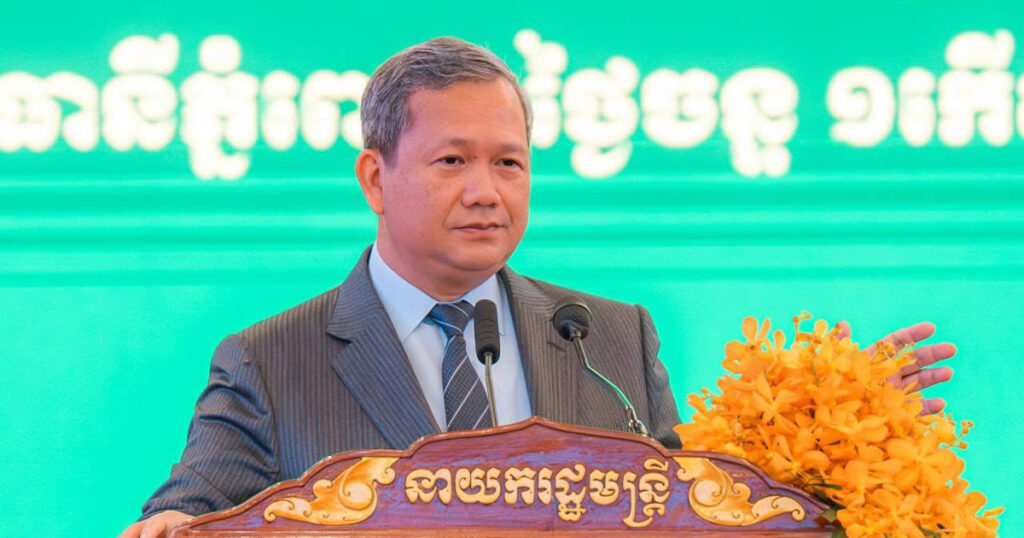
PHNOM PENH, July 6, 2026 (KPT) — Cambodia has unveiled a comprehensive 10-year rural development strategy designed to reshape the country's countryside. Officials announced Monday that the plan pledges investments in infrastructure, services, and livelihoods to cut poverty and drive inclusive growth. The National Policy on Rural Development 2025–2035 serves as a roadmap under the government’s Pentagonal Strategy – Phase I. It aims to build resilient, inclusive, and sustainable rural communities while narrowing the gaps between urban and rural areas, supporting Cambodia’s ambition to become a high-income economy by 2050. The plan prioritizes rural roads, clean water, sanitation, electricity, healthcare, education, and vocational training. It also promotes sustainable agriculture, entrepreneurship, and digital connectivity, with a particular emphasis on gender equality, climate resilience, and support for vulnerable groups, including indigenous communities and residents of border regions. Government officials acknowledged that despite significant socio-economic progress over the past two decades, many rural communities continue to face challenges in infrastructure, employment, and access to essential services. The policy calls for balanced development tailored to Cambodia’s four major regions: the central plains, the Tonle Sap basin, coastal areas, and the highlands. The Ministry of Rural Development highlighted existing achievements, including the management of over 50,260 kilometers of rural roads, 89 percent clean water coverage, 94 percent sanitation coverage, and the nationwide achievement of Open Defecation Free status by 2025. The ministry has also promoted model villages, community programs, and rural entrepreneurship to strengthen local economies. The policy supports broader government objectives, such as poverty reduction, expanding employment opportunities, and fostering peace and cooperation in border areas. Prime Minister Hun Manet praised the framework as comprehensive and practical, stating it would be a key instrument for advancing resilient and inclusive rural development. He urged ministries, local authorities, development partners, NGOs, and the private sector to collaborate for effective implementation. Prime Minister Hun Manet pledged close monitoring to address challenges and deliver tangible results, stressing that rural development must contribute to national interests and improve the well-being of Cambodian people. As Cambodia advances towards its Vision 2050, the strategy is expected to lay the foundation for more prosperous, resilient, and inclusive rural communities, ensuring that economic growth benefits people across the country.
多角的分析
この10年間の農村開発戦略は、カンボジア経済の構造的課題である都市部と農村部の格差是正を目指すものだ。過去20年間でインフラ整備は進んだものの、依然として多くの農村部では雇用機会や基本的なサービスへのアクセスが限られている。この戦略は、持続可能な農業の推進やデジタル接続性の向上を通じて、農村部の生産性向上と所得増加を図る。これにより、国内消費の拡大や国内産業のサプライチェーン強化に繋がり、高所得経済国への移行を後押しする可能性がある。しかし、その成功は、計画された投資の効率的な配分と、汚職などの実施上の障壁を克服できるかにかかっている。
この農村開発戦略は、カンボジアの国内市場の潜在力を高める機会を提供する。インフラ整備、特に道路網の改善は、物流コストの削減と地域間の経済活動の活性化に寄与する。また、デジタル接続性の向上は、eコマースや遠隔サービスといった新たなビジネスチャンスを生み出す可能性がある。投資家にとっては、農村部における消費財、農業関連サービス、再生可能エネルギー、そしてデジタルインフラへの投資機会が拡大すると考えられる。ただし、政策の実行能力、土地所有権の明確さ、そして地域ごとの開発のばらつきといったリスク要因を慎重に評価する必要がある。
この戦略は、農村部の住民、特に貧困層や脆弱なグループの生活水準向上に直接的な影響を与える。安全な水、衛生設備、医療、教育へのアクセス改善は、人々の健康と教育機会を広げ、長期的な社会福祉の向上に繋がる。ジェンダー平等への配慮は、女性のエンパワーメントと社会参加の促進に寄与するだろう。しかし、開発の恩恵が地域間で均等に行き渡るか、あるいは既存の格差が拡大しないかは、政策の実施方法にかかっている。特に、先住民コミュニティや国境地域の住民への配慮は、社会的な安定と包摂性を確保する上で重要となる。
この戦略は、カンボジアの多くの市民、特に農村部に住む人々にとって、生活の質の向上に繋がる大きな期待を抱かせるものだ。道路が整備されれば、市場へのアクセスが容易になり、農産物の販売がしやすくなるだろう。安全な水や衛生設備の普及は、病気の減少に繋がり、子供たちの健康な成長を支える。教育や職業訓練の機会が増えれば、若者たちの将来の選択肢が広がる。しかし、これらの恩恵が、一部の地域や人々に偏ることなく、全国民に公平に行き渡ることが重要である。また、計画の実行段階で、市民の声がどのように反映されるかが問われる。
背景・歴史的文脈
カンボジアでは、ポル・ポト政権崩壊後、経済復興と国民生活の向上は喫緊の課題であった。特に、長らく開発から取り残されてきた農村部への支援は、社会の安定と経済成長の基盤強化のために不可欠とされてきた。過去の政府も農村開発に取り組んできたが、インフラの未整備、雇用の不足、基本的なサービスへのアクセス制限といった課題は根強く残っていた。フン・セン政権下で進められた経済発展は都市部に集中する傾向があり、都市と農村の格差は拡大していた。フン・マネト政権は、この格差是正と国民全体の福祉向上を目指し、より包括的で長期的な視点に立った農村開発戦略を打ち出した形だ。
原文ソース
Kampuchea Thmey English