Vietnam Launches New Program to Enhance Chronic Disease Management
Health
2026年7月4日
5
Nhan Dan

Vietnam Launches New Program to Enhance Chronic Disease Management

AI サマリー

Vietnam's Ministry of Health has launched a 2026-2030 program to strengthen the management of hypertension and diabetes. The initiative focuses on standardizing expertise, human resource development, public awareness, and digital technology integration, aiming to achieve 50% disease control among patients by 2030.

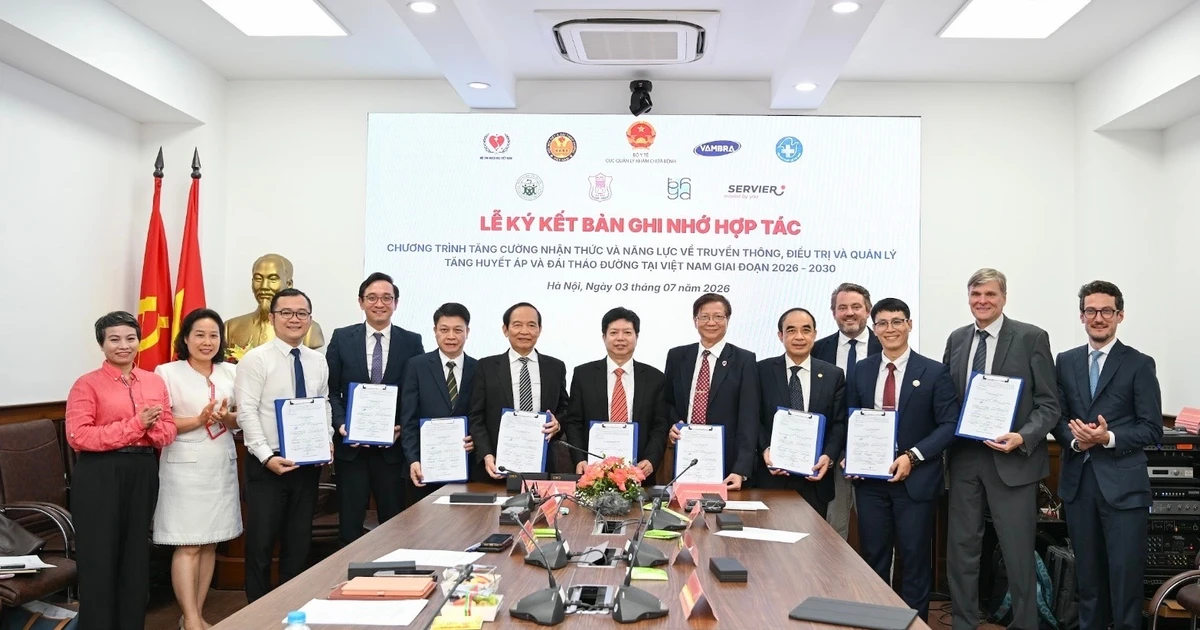
Vietnam's Ministry of Health has announced a new program to strengthen the management of chronic diseases nationwide, including hypertension and diabetes. This initiative aligns with the health sector's directive to shift from a treatment-centric approach to comprehensive health care, focusing on expertise, human resource development, public awareness, and the application of digital technologies. The "Vietnam Program to Enhance Awareness and Capacity in Communication, Treatment, and Management of Hypertension and Diabetes (2026-2030)" was jointly signed by the Department of Medical Examination and Treatment Management under the Ministry of Health, Servier Vietnam Co., Ltd., along with specialized associations and major hospitals across the country. The program prioritizes four key areas: standardizing professional guidelines, developing human resources, raising community awareness, and applying digital technologies, artificial intelligence, and scientific research in chronic disease management. The stated goal is for at least 50% of patients with hypertension and 50% of patients with diabetes who are undergoing treatment to achieve their disease control targets by 2030. Dr. Nguyen Trong Khoa, Deputy Director of the Department of Medical Examination and Treatment Management, emphasized that chronic disease management requires a comprehensive and continuous approach, integrating lifestyle changes, treatment adherence, and close collaboration among patients, families, healthcare professionals, and the multi-tiered healthcare system. This program serves as a concrete implementation of the Ministry of Health's strategic orientations, contributing to reducing the burden of disease, improving the quality of life for citizens, strengthening grassroots healthcare capacity, and promoting digital transformation in chronic disease management. Within the network of participating units, Ho Chi Minh City University of Medicine and Pharmacy Hospital is recognized as a crucial professional hub. Leveraging its strengths in specialized treatment, training, and scientific research, the hospital will contribute to developing standard treatment protocols, training human resources, transferring technology, and supporting the enhancement of local healthcare systems' capabilities. In collaboration with organizations such as the Vietnam Heart Association, the Vietnam Association of Endocrinology and Diabetology, Hanoi Medical University, the Public Health University, and the Vietnam Young Physicians Association, among other professional partners, the hospital plays a part in building a network that spans from state management to clinical practice, training, and research. A representative from Servier Vietnam stated that the program signifies unified action and demonstrates the long-term commitment of regulatory bodies, medical professionals, hospitals, grassroots healthcare, healthcare workers, and industry partners to create a sustainable, measurable impact that brings tangible benefits to the people. This initiative is also a practical solution contributing to the formation of a life-cycle health management model, strengthening grassroots healthcare capacity, and realizing the goal of universal health coverage in the new era.

多角的分析

経済的影響

ベトナムは近年、国民の健康水準向上と医療費負担軽減のため、慢性疾患管理の強化に注力している。高血圧や糖尿病といった生活習慣病は、労働生産性の低下や医療システムへの長期的な負担増加に直結するため、その管理能力の向上は経済成長の持続可能性を高める上で不可欠である。本プログラムは、デジタル技術やAIの活用を推進することで、医療リソースの効率化と個別化医療の実現を目指しており、これにより医療サービスへのアクセス改善と、それに伴う経済的損失の抑制が期待される。また、製薬会社セルビエ・ベトナムの参画は、民間セクターとの連携による新たなビジネス機会の創出や、関連産業への波及効果も示唆している。

投資家心理

ベトナムの医療セクターへの投資は、人口動態の変化と政府の健康増進策により、今後も成長が見込まれる分野である。特に、慢性疾患管理の強化は、診断機器、医薬品、遠隔医療サービス、健康管理アプリなどの需要を喚起する可能性がある。本プログラムは、2030年までの長期的な目標設定と、公的機関および民間企業による具体的な協働体制を示しており、投資家にとっては、医療インフラ、製薬、ヘルスケアIT分野における新たなビジネスチャンスを探る指標となるだろう。ただし、プログラムの実施には、地方部への技術普及や医療従事者のスキルアップといった課題も伴うため、投資判断においては、これらの実行リスクも考慮する必要がある。

社会的影響

ベトナムでは、経済成長に伴う食生活の変化や運動不足から、高血圧や糖尿病といった生活習慣病の罹患率が増加傾向にある。これは、個人の健康寿命の短縮だけでなく、家族の経済的・精神的負担の増大にもつながる。本プログラムは、患者自身や家族への啓発活動を強化し、病状コントロールの目標達成を目指すことで、国民全体の健康水準向上と生活の質の改善に貢献することが期待される。特に、ホーチミン市医科大学病院のような専門機関が、地方の医療機関と連携し、専門知識や技術を移転する仕組みは、都市部と地方の医療格差の是正にも寄与する可能性がある。しかし、デジタル技術の活用には、情報リテラシーやインフラ整備の課題も存在し、全ての国民が恩恵を受けられるような配慮が求められる。

市民の声

本プログラムは、高血圧や糖尿病といった慢性疾患を抱える多くのベトナム市民にとって、より質の高い医療サービスへのアクセスを改善する機会を提供する。特に、病状コントロールの目標達成を目指すことは、患者の健康寿命を延ばし、生活の質を向上させることに直結する。ホーチミン市医科大学病院のような先進的な医療機関が、専門知識や最新技術を地方に展開する取り組みは、これまで医療サービスへのアクセスが限られていた地域住民にとって朗報となるだろう。一方で、デジタル技術の活用が進む中で、高齢者や情報アクセスが困難な人々が取り残されないよう、きめ細やかな支援策が求められる。また、プログラムが掲げる「国民皆保険」の目標達成に向け、医療費負担の軽減も重要な課題となる。

背景・歴史的文脈

ベトナムの医療システムは、近年、国民の健康水準向上と医療アクセス改善を目指し、改革を進めている。特に、経済発展に伴う生活習慣病の増加は、公衆衛生上の大きな課題となっている。2016年に発表された「ベトナム国民の健康維持・増進戦略(2015-2020年)」では、慢性疾患の予防と管理が重点項目に挙げられた。今回のプログラムは、この戦略の延長線上にあり、2026年から2030年までの期間で、より具体的かつ包括的なアプローチを導入するものだ。過去のプログラムでは、地域ごとの医療格差や、専門人材の不足が課題として指摘されており、今回の取り組みでは、これらの課題克服に向けた技術移転や人材育成が強化されている点が注目される。

原文ソース

Nhan Dan

原文を読む