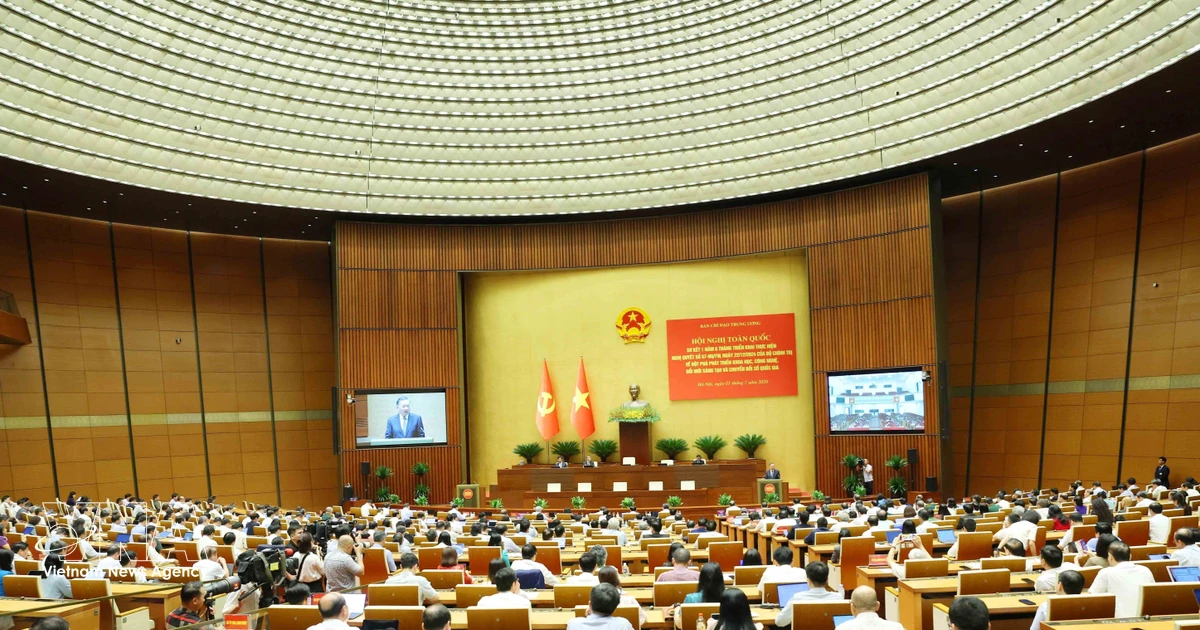
Vietnam's National Assembly to Consider Land Law Revisions in October
Politics
2026年7月3日
5
VietnamPlus English

Vietnam's National Assembly to Consider Land Law Revisions in October

AI サマリー

Vietnam's National Assembly will consider revisions to the Land Law during its October session. The proposed changes aim to address long-stalled projects and unresolved planning issues, thereby mitigating impacts on citizens' rights and local development. Balancing development facilitation with strengthened management is a key focus.

Vietnam's National Assembly is set to deliberate on proposed revisions to the Land Law during its upcoming session in October. This move is a significant step towards addressing long-stalled development projects and planning delays that have impacted citizens' rights and local development. The National Assembly and its Standing Committee will intensify supervision of land-related issues, particularly those concerning delayed projects and unresolved planning. The proposed amendments aim not only to tackle current challenges but also to establish the foundation for a more modern, proactive, and flexible system of urban governance, shifting from a traditional management-oriented approach to a development-enabling model. Vietnam's e-commerce sector has been experiencing robust annual growth of around 20-25%, emerging as one of Southeast Asia's most dynamic markets. To further foster this key driver of the digital economy, improvements to the legal framework, strengthening consumer trust, and cultivating a fair competitive environment are deemed essential. In its ongoing commitment to international peacekeeping, Vietnam has deployed nearly 1,400 personnel to UN peacekeeping operations over the past 12 years. Recent technological advancements include the introduction of new AI-powered kiosks, integrated with digital identity platforms and the national online public service system, aiming to enhance administrative efficiency and digitalization. Furthermore, Vietnam is prioritizing the implementation of resolutions on science, technology, innovation, and digital transformation. This includes a 100-day nationwide campaign to review and complete outstanding tasks in this area, with a Deputy Prime Minister emphasizing the need for accelerated progress through clear responsibilities and action plans. The nation has also reaffirmed its consistent stance condemning terrorism in all its forms, urging UN member states to strengthen cooperation in investigating, prosecuting, and bringing to trial individuals and organizations involved in planning, executing, or financing terrorist acts. These developments underscore Vietnam's commitment to economic growth under its one-party system, while simultaneously focusing on legal reforms, digitalizing public services, and engaging with the international community. The land law revisions, in particular, represent a concrete policy implementation by the government aimed at fostering sustainable domestic development and improving citizens' livelihoods. Information source: VietnamPlus English

多角的分析

経済的影響

ベトナムの土地法改正は、経済成長のボトルネックとなっている土地利用の非効率性を解消し、投資を促進する狙いがあります。特に、開発プロジェクトの遅延や計画未整備は、不動産開発だけでなく、インフラ投資や製造業の誘致にも影響を与えてきました。開発促進型モデルへの転換は、土地の利用権や移転に関する手続きを簡素化し、より迅速なプロジェクト実行を可能にすることで、経済活動の活性化に繋がると期待されます。しかし、一党体制下での政策決定プロセスは、利害関係者の調整に時間を要する可能性があり、迅速な法改正と実行が課題となります。

投資家心理

土地法改正は、ベトナムへの投資を検討する国内外の投資家にとって、極めて重要な意味を持ちます。特に不動産開発、インフラ、製造業分野への投資家は、土地の取得、利用、移転に関する法規制の明確化と透明性の向上を期待しています。長年の課題であったプロジェクトの遅延が解消されれば、投資リスクが低減し、より予測可能な事業環境が整備されるでしょう。ただし、改正内容の詳細な規定や、その運用における実務的な側面が、実際の投資判断に大きく影響するため、今後の動向を注視する必要があります。

社会的影響

土地法の改正は、ベトナム市民の生活に直接的な影響を与えます。特に都市部では、長引く開発プロジェクトや計画の遅延が、住居の確保、インフラ整備、そして生活環境の質に影を落としてきました。改正により、これらの問題が解消され、より公正で効率的な土地利用が進めば、市民の権利保護と生活水準の向上が期待できます。しかし、土地の権利や補償に関する規定がどのように変更されるかは、地域住民の不満や社会的な摩擦に繋がる可能性もはらんでおり、慎重な検討と丁寧な説明が求められます。

市民の声

土地法の改正は、ベトナム国民、特に都市部や開発予定地の住民にとって、生活の質や権利に直接関わる重要な問題です。長年、土地の利用や開発に関する問題は、市民と行政との間でしばしば摩擦の原因となってきました。今回の改正案が、土地の取得、利用、移転に関する手続きをより明確にし、不当な遅延や権利侵害を防ぐものであれば、市民の安心感と信頼を高めることに繋がるでしょう。例えば、ホーチミン市のような急速な都市開発が進む地域では、計画の透明化と市民参加の機会が、より公平な開発を実現する上で不可欠です。

背景・歴史的文脈

ベトナムにおける土地問題は、社会主義体制下での土地所有権の特殊性に起因します。土地は国家または人民の所有物とされ、個人や企業は利用権を得る形をとります。この制度は、経済発展の初期段階では中央集権的な開発を可能にしましたが、市場経済化が進むにつれて、土地利用の非効率性、開発プロジェクトの遅延、そして市民との間の権利・補償を巡る紛争といった問題が顕在化しました。過去の法改正でもこれらの課題への対応が試みられてきましたが、根本的な解決には至っておらず、今回の改正は、経済成長と社会安定の両立を目指す政府の継続的な取り組みの一環です。

原文ソース

VietnamPlus English

原文を読む