Cambodia Launches Five-Year Environmental Diplomacy Strategy to Combat Climate Change
Environment
2026年7月7日
4
Phnom Penh Post

Cambodia Launches Five-Year Environmental Diplomacy Strategy to Combat Climate Change

AI サマリー

Cambodia's Ministry of Environment has launched its five-year Environmental Diplomacy Strategy (CEDS) 2026–2030, aiming to bolster the nation's response to climate change and promote ecosystem conservation. The strategy emphasizes international cooperation and sustainable development.

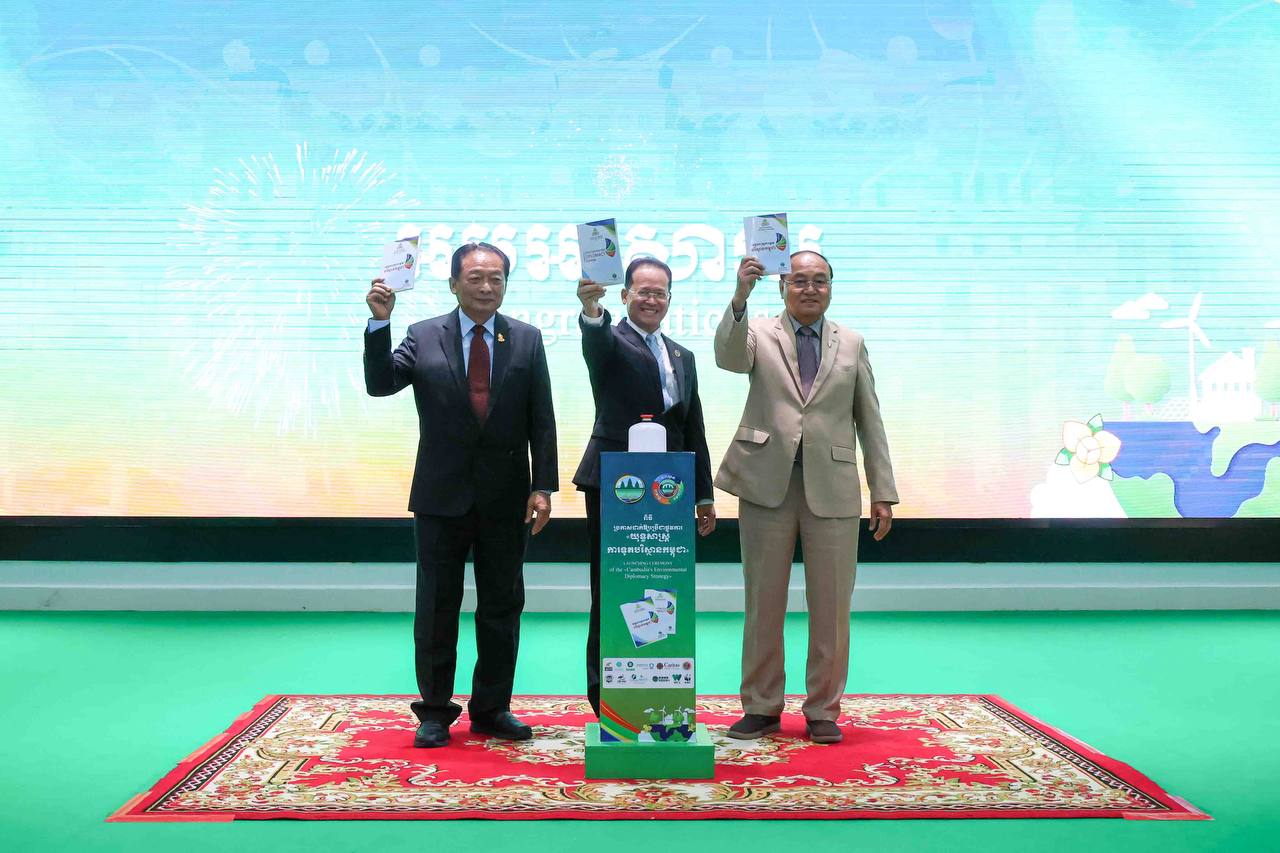
The Ministry of Environment has launched a new national policy framework set to guide the country’s environmental diplomacy over the next five years. The Cambodia Environmental Diplomacy Strategy (CEDS) 2026–2030 aims to strengthen Cambodia’s response to climate change while promoting ecosystem conservation and environmental protection, amidst warnings that global climate change and ecosystem degradation have reached a dangerous “red line.” Speaking at the July 6 launch, Environment Minister Eang Sophalleth noted that the framework comes at a pivotal moment in human history, as the world faces increasingly complex environmental challenges that require stronger international cooperation, greater mutual trust, and more decisive collective action. “Cambodia is a country rich in natural resources, but we also recognise that global climate change and ecosystem degradation have already crossed a dangerous red line,” he said. “Reversing these trends requires urgent collective action and carefully considered strategic cooperation,” he warned. He said the new strategy is more than a policy document; it reflects the country’s shared commitment to safeguarding the environment for both present and future generations. It also demonstrates Cambodia’s determination to play a more active role on the international stage by building stronger partnerships and advocating for global policies that promote genuine environmental sustainability and climate resilience. As one of the countries most vulnerable to the impacts of climate change, Cambodia must adopt a forward-looking and resilient approach, he explained. The strategy seeks to balance international cooperation with national ownership and sovereignty, while ensuring Cambodia’s voice is heard in advocating for the interests of developing countries. The government said it remains committed to promoting fair and equitable solutions to address the root causes of global environmental challenges while safeguarding Cambodia’s sovereign right to pursue sustainable development. The strategy is built around three strategic pillars. The first focuses on addressing climate change through mitigation, adaptation, and strengthened governance. Priorities include reducing greenhouse gas emissions by protecting forests, expanding clean energy, promoting climate-smart agriculture, and attracting green investment. It also seeks to strengthen climate resilience through improved infrastructure, community preparedness, stronger institutional frameworks, public-private partnerships, and increased climate finance. The second aims to enhance ecosystem conservation by protecting biodiversity, restoring forests, and improving community livelihoods. Measures include stronger law enforcement in protected areas, closer cooperation with stakeholders, expanded forest restoration through tree nurseries and reforestation programmes, and sustainable natural resource management. The third pillar focuses on environmental protection by improving air, land, and water quality. It calls for stronger pollution control regulations and enforcement, greater public awareness, wider adoption of clean energy and cleaner transport, improved wastewater treatment, better management of agricultural runoff, enhanced public education on water pollution, and strengthened waste management systems through expanded collection services, improved landfill facilities, increased recycling, and waste-to-energy initiatives.

多角的分析

経済的影響

カンボジアは農業および観光業が経済の柱であり、これらは気候変動の影響を直接受けやすい。森林破壊や水資源の枯渇は、これらの産業の持続可能性を脅かす。グリーン投資の誘致やクリーンエネルギーへの転換は、経済構造の多角化と新たな成長機会の創出につながる可能性があるが、初期投資や技術移転が課題となる。

投資家心理

環境問題への取り組みは、ESG投資(環境・社会・ガバナンス)を重視する国際的な投資家にとって、カンボジアへの投資判断において重要な要素となる。特に、再生可能エネルギーや持続可能な農業分野への投資機会が生まれる可能性がある。しかし、法規制の執行力やインフラ整備の遅れがリスク要因となりうる。

社会的影響

気候変動は、特に農村部や沿岸部のコミュニティに深刻な影響を与える。洪水、干ばつ、海面上昇は、食料安全保障や居住環境を脅かす。環境保護政策の実施にあたっては、地域住民の生活への影響を最小限に抑え、彼らの参加を促すことが不可欠である。廃棄物管理の改善は、公衆衛生の向上にも寄与する。

市民の声

環境戦略は、国民の生活の質に直接影響を与える。例えば、大気汚染や水質汚染の改善は、健康被害の軽減につながる。また、気候変動への適応策は、将来的な自然災害による被害を最小限に抑え、人々の生活基盤を守る上で重要となる。しかし、これらの施策が国民全体に公平に行き渡るかが問われる。

背景・歴史的文脈

カンボジアはメコン川流域に位置し、豊かな森林資源と生物多様性を持つ一方で、気候変動の影響を受けやすい国である。過去数十年にわたり、森林伐採や土地利用の変化が進み、生態系の劣化が進行してきた。2010年代以降、国際社会からの環境問題への関心が高まる中、カンボジア政府も環境保全の重要性を認識し、国際会議などで発言を強めてきた。特に、2015年のパリ協定採択以降、各国が気候変動対策を国家戦略に組み込む流れの中で、今回の包括的な外交戦略の策定に至ったと考えられる。

原文ソース

Phnom Penh Post

原文を読む