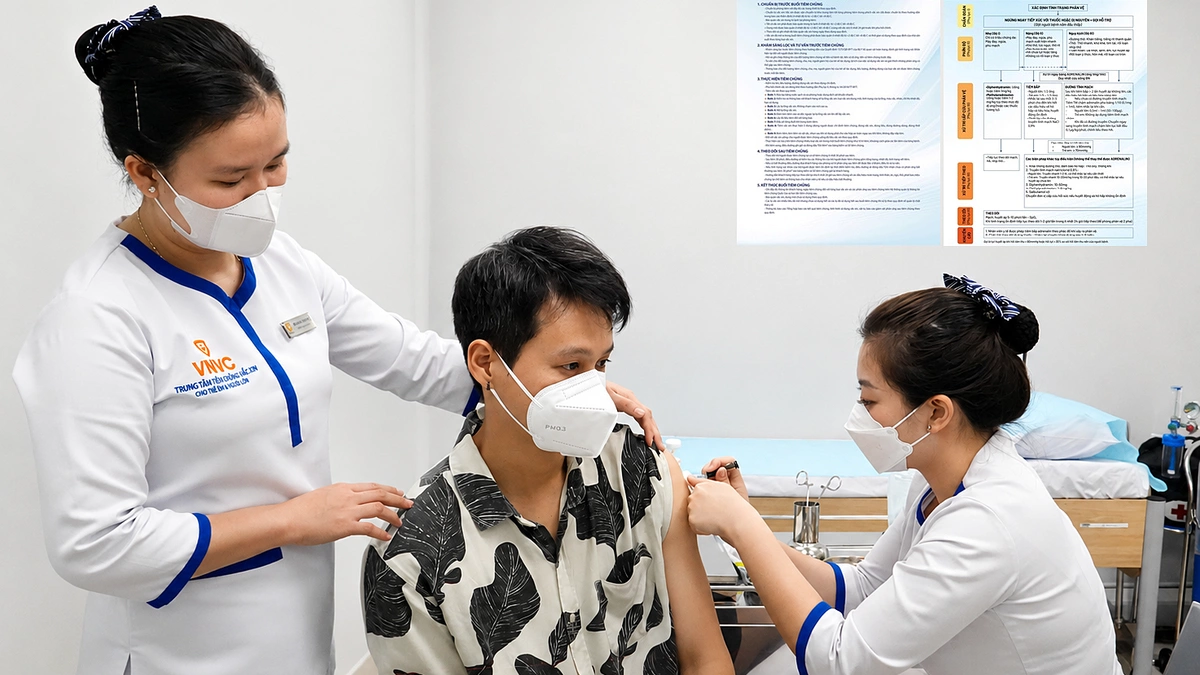
Foreign Students Opt for Vaccinations in Vietnam: Affordable and Diverse Options
A growing number of foreign students studying in Vietnam are choosing to get vaccinated domestically. Key reasons include relatively lower costs and access to vaccines like Japanese encephalitis and HPV, which may be less common or accessible in their home countries.
A growing number of foreign students studying in Vietnam are opting for vaccinations within the country. Lawrence Kurniawan Wong, 36, from Singapore, is undergoing multiple vaccinations in Vietnam to protect his health during his studies and travels. Wong, who is learning Vietnamese at a university in Ho Chi Minh City, previously received the HPV 4-strain vaccine in Indonesia seven years ago. Upon arriving in Vietnam, he learned about the availability of a 9-strain HPV vaccine, which covers more types, and decided to get vaccinated. Wong noted that while HPV is often associated with cervical cancer in women, men can also contract HPV-related conditions like genital warts and certain cancers, prompting him to proactively protect his health. In addition to the HPV vaccine, he has also received immunizations against Japanese encephalitis, measles-mumps-rubella, pneumococcal disease, rabies, and dengue fever. His travel habits have led him to get pre-exposure prophylaxis for rabies. On one occasion, he received four vaccine doses in a single session. Wong also observed that the cost of vaccinations in Vietnam is significantly lower compared to some other countries in the region. He mentioned that the HPV 9-strain vaccine, requiring three doses, costs approximately 700 Singapore dollars (over 14 million VND) in Singapore, whereas the price in Vietnam is considerably less. Mila Müller, 28, a German student pursuing Vietnamese studies in Hanoi, also began researching vaccines after arriving in Vietnam. Japanese encephalitis is rare in Germany, so she had paid little attention to it previously. During her studies, Müller frequently visited suburban and rural areas for practical fieldwork. Learning that Japanese encephalitis is prevalent in many Asian countries, including Vietnam, she went to VNVC Cau Giay to get vaccinated. "I want to enjoy my time studying in Vietnam without worrying about preventable diseases," Müller stated. Dr. Đinh Kỳ Nam from VNVC Hai Bà Trưng vaccination center confirmed that Wong and Müller are among many international students and expatriates living and studying in Vietnam who are proactively seeking vaccinations. He explained that the vaccination needs of this group vary based on their country of origin, vaccination history, duration of stay, and travel plans. Students from Western countries often show interest in vaccines for rabies, Japanese encephalitis, dengue fever, or diseases posing a risk at their destination. Meanwhile, some students from Asian countries are more interested in the HPV vaccine, potentially due to differences in recommended age groups, gender indications, or vaccine accessibility in their home countries. Many research their vaccination needs before enrolling and take the opportunity to complete their schedules upon arrival in Vietnam. Vietnam's tropical climate is conducive to numerous pathogens, including those causing respiratory and gastrointestinal illnesses, as well as diseases transmitted by mosquitoes or through bites and scratches from warm-blooded animals. Foreigners studying or working long-term in Vietnam are advised to review their vaccination history and exposure risks for appropriate consultation. Dr. Nam emphasized that vaccine selection should be based on age, health status, vaccination history, destination, length of stay, and planned activities. This recommendation also applies to Vietnamese citizens preparing to travel, work, or reside abroad.
多角的分析
ベトナムにおけるワクチン接種サービスの費用対効果の高さが、外国人留学生を引きつける要因となっている。特に、シンガポールと比較してHPV9価ワクチンの費用が大幅に低い点は、経済的なメリットを明確に示している。これは、ベトナムが医療サービス、特に予防医療分野で国際的な競争力を持つ可能性を示唆する。医療インフラの整備とサービス提供能力が、外国人患者の誘致に貢献しており、今後の医療ツーリズムの拡大にも繋がる可能性がある。
ベトナムの医療サービス、特にワクチン接種分野への投資は、増加する外国人居住者や観光客の需要を取り込む機会となりうる。VNVCのような民間ワクチンセンターの存在は、市場の成長性を示唆している。投資家は、ベトナム国内の医療インフラへの投資、特に予防医療サービスへのアクセス向上に焦点を当てることで、このトレンドから利益を得る可能性がある。また、国内の医療費が国際的に見て競争力があることは、医療サービス輸出の可能性も示唆する。
外国人留学生がベトナムでワクチン接種を受けることは、彼らの健康管理への意識の高さと、ベトナムの医療サービスへの信頼感の表れである。特に、出身国では一般的でない、あるいはアクセスが限られるワクチンをベトナムで接種できることは、多様な健康ニーズに対応できるサービスの提供を示している。これは、ベトナムが国際的な健康基準を満たし、多様な文化背景を持つ人々の健康をサポートする環境を提供していることを意味する。一方で、ベトナム国内の医療システムが、外国人だけでなく、国内住民の健康増進にもどのように貢献していくかが今後の課題となる。
ベトナムで学ぶ外国人留学生が、国内でワクチン接種を受けるという事実は、彼らがベトナムの医療サービスを信頼し、その利便性と費用対効果を評価していることを示している。これは、ベトナムの医療インフラが、国内住民だけでなく、短期・長期滞在者に対しても、十分なサービスを提供できるレベルに達していることを示唆する。特に、日本脳炎やHPVワクチンといった、特定の健康リスクやニーズに対応できる多様なワクチンが提供されていることは、留学生が安心してベトナムでの生活を送る上で重要な要素となっている。この傾向は、ベトナムが単なる学習の場としてだけでなく、健康管理の面でも魅力的な滞在先となりつつあることを示している。
背景・歴史的文脈
ベトナムは、経済発展とともに医療インフラの整備を進めてきた。特に、公衆衛生の向上は国家的な優先事項の一つであり、ワクチネーションプログラムは国民の健康を守る上で重要な役割を担っている。近年、ベトナムは外国人居住者や留学生の増加に対応するため、国際的な医療基準に合わせたサービス提供に力を入れている。これには、多様なワクチンへのアクセスを確保し、価格面でも競争力を持たせることが含まれる。特に、日本脳炎やHPVワクチンといった、特定の地域や集団でニーズが高いワクチンへの対応は、ベトナムが国際的な医療サービス提供国としての地位を確立しようとする姿勢を示している。
原文ソース
VnExpress