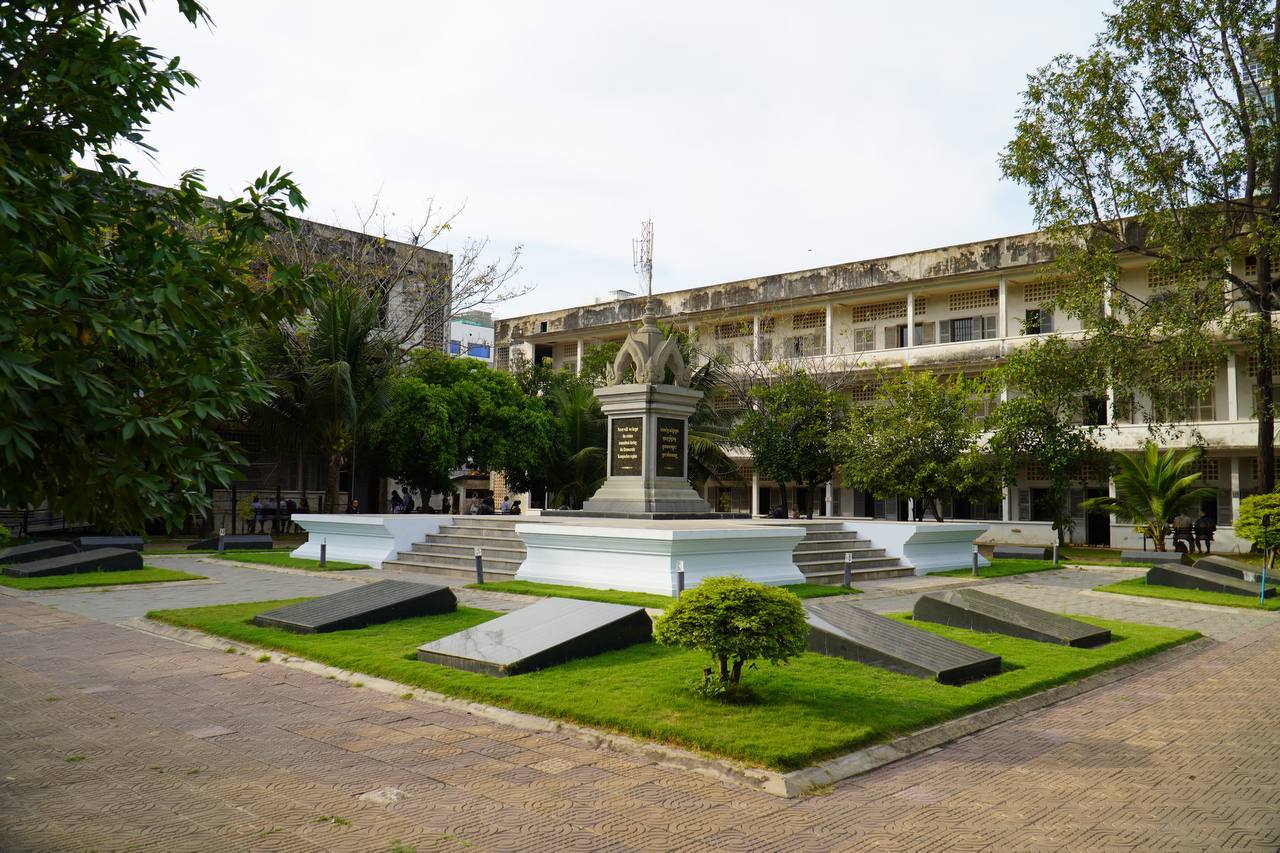
Cambodia Marks 1st Anniversary of UNESCO Memorial Sites Inscription, Emphasizing Peace Legacy
Prime Minister Hun Manet celebrated the first anniversary of Cambodia's UNESCO World Heritage inscription of "Cambodian Memorial Sites: From Centres of Repression to Places of Peace and Reflection." He emphasized the sites' role as a legacy of peace for future generations, symbolizing Cambodia's journey from tragedy to reconciliation.
Prime Minister Samdech Moha Borvor Thipadei Hun Manet has hailed the first anniversary of the inscription of “Cambodian Memorial Sites: From Centres of Repression to Places of Peace and Reflection” on the UNESCO World Heritage List, describing it as a lasting symbol of Cambodia’s journey from tragedy to reconciliation and a legacy of peace for future generations. In a message released on Monday to commemorate the anniversary, Samdech Thipadei extended his congratulations to the Cambodian people on the historic recognition, which was granted by UNESCO on July 11, 2025, during the 47th session of the World Heritage Committee in Paris, France. The Prime Minister said the inscription of the three memorial sites – the former M-13 prison, the Tuol Sleng Genocide Museum (S-21), and the Choeung Ek Genocidal Centre – was a far-sighted initiative of Senate President Samdech Akka Moha Sena Padei Techo Hun Sen aimed at preserving the memory of Cambodia’s tragic past while promoting reconciliation, historical education, justice for victims, and the protection of peace. He stressed that the memorial sites serve not only as an invaluable legacy for future generations of Cambodians but also as Cambodia’s contribution to humanity by demonstrating how a nation can transform places of atrocity into centres of reconciliation and peace. Samdech Thipadei described the UNESCO inscription as another major milestone enhancing Cambodia’s international prestige, attributing the achievement to the resilience and sacrifices of the Cambodian people and to the peace established under the Win-Win Policy, which laid the foundation for national unity, socio-economic development, cultural preservation, and the protection of the country's historical truth. The Prime Minister expressed appreciation to the Ministry of Culture and Fine Arts, the inter-ministerial committee, local authorities, technical officials, and all institutions involved for their dedication in securing the World Heritage inscription. He also thanked UNESCO Phnom Penh, the UNESCO World Heritage Centre, ICOMOS, ICCROM, KOICA, GIZ-CPS, national and international experts, and survivors of the Khmer Rouge regime for their invaluable support throughout the nomination process. He instructed the Ministry of Culture and Fine Arts, local authorities, and relevant institutions to continue protecting the memorial sites, prevent inappropriate construction that could affect their historical landscape, and ensure their long-term conservation in accordance with UNESCO World Heritage operational guidelines. Samdech Thipadei also called on all media outlets to help widely promote the memorial sites during the first anniversary commemoration to reinforce public awareness of the need to reject war and genocide and to preserve peace for future generations under the slogan "Thanks, Peace." Tuol Sleng Genocide Museum and Choeung Ek are located in Phnom Penh while M-13 is situated in Kampong Chhnang province, bordering Kampong Speu province. Tuol Sleng Genocide Museum Choeung Ek Genocidal Centre Former M-13 Prison
多角的分析
ユネスコ世界遺産登録は、カンボジアの文化遺産保護と観光振興における重要な一歩であり、長期的な経済効果が期待される。特に、これらの追悼施設は、歴史観光の新たな柱となり得る。しかし、その経済的恩恵は、インフラ整備(交通アクセス、宿泊施設)、多言語対応の観光ガイド、そして国際的なプロモーション活動の質に大きく依存する。また、これらの施設が持つ悲劇的な歴史的背景を、観光資源としてどのようにマネタイズしていくかは、倫理的な配慮とともに慎重な戦略が求められる。過去の事例では、ホロコースト関連の施設などが、教育的価値と観光収入の両立に成功しているが、カンボジアの文脈においては、より繊細なアプローチが必要となるだろう。
追悼施設のユネスコ世界遺産登録は、カンボジアの文化観光セクターへの投資魅力を高める要因となる。投資家は、これらの施設周辺のインフラ開発(ホテル、レストラン、交通網)や、関連する文化体験型サービスへの投資機会を見出す可能性がある。ただし、投資判断においては、政治的安定性、法制度の透明性、そして何よりも、これらの施設が持つ歴史的・人道的な重みを損なわない形での開発が進むかどうかが重要となる。中国などの一部の国がカンボジアのインフラ開発に深く関与している現状を踏まえると、開発の方向性や環境への影響について、国際的な監視が不可欠となる。
カンボジアの追悼施設がユネスコ世界遺産に登録されたことは、国内の和解と国民統合に向けた重要な象徴的意味合いを持つ。M-13刑務所、トゥール・スレン、チュンエクといった場所は、クメール・ルージュ政権下の悲劇を想起させるが、それらを「抑圧のセンターから平和と追悼の場へ」と転換させることは、過去のトラウマを乗り越え、未来への教訓とする国民的な努力を反映している。しかし、これらの施設を訪れる人々、特に若い世代が、歴史の重みを理解し、平和の尊さを実感できるような教育的アプローチが不可欠である。また、施設周辺の地域社会への経済的・社会的な恩恵が公平に分配されることも、社会的な調和を保つ上で重要となる。
「カンボジア追悼施設」のユネスコ世界遺産登録は、多くのカンボジア市民にとって、過去の苦難を乗り越え、平和を築いてきた国の歩みを再認識する機会となる。特に、フン・マネット首相が強調したように、これらの施設が「抑圧のセンターから平和と追悼の場へ」と転換されたことは、国民の回復力と平和への強い願いの証である。市民は、この歴史的遺産が未来世代に正しく伝えられ、戦争やジェノサイドの悲劇が繰り返されないことを願っている。一方で、これらの施設へのアクセス向上や、地域経済への貢献といった、より具体的な恩恵を期待する声もあるだろう。SNSなどを通じて、この記念日の意義や、平和の大切さが広く共有されることが期待される。
背景・歴史的文脈
カンボジアは1970年代後半、クメール・ルージュ政権下で約170万人とも言われる自国民を虐殺する「ジェノサイド」を経験した。その悲劇の象徴であるトゥール・スレン虐殺博物館(S-21)やチュンエク虐殺センターは、当時の残虐行為の証拠として保存されており、M-13刑務所も同様に、多くの人々が収容され、拷問や処刑が行われた場所である。これらの施設がユネスコ世界遺産に登録されたのは、単なる歴史的建造物の保護にとどまらず、過去の悲劇を人類全体への教訓とし、二度とこのような過ちを繰り返さないための平和への誓いを世界に示すという、カンボジア政府の強い意志の表れである。これは、長年にわたり国内の平和構築と和解を推進してきた「ウィン・ウィン政策」の延長線上にあるとも言える。
原文ソース
AKP Cambodia