Vietnam Proposes Minimum Wage Hike: Impact on Workers?
Vietnam has proposed an increase in the regional minimum wage, a move expected to improve workers' living standards. However, concerns are raised about increased costs for businesses, especially SMEs, and potential inflationary pressures.
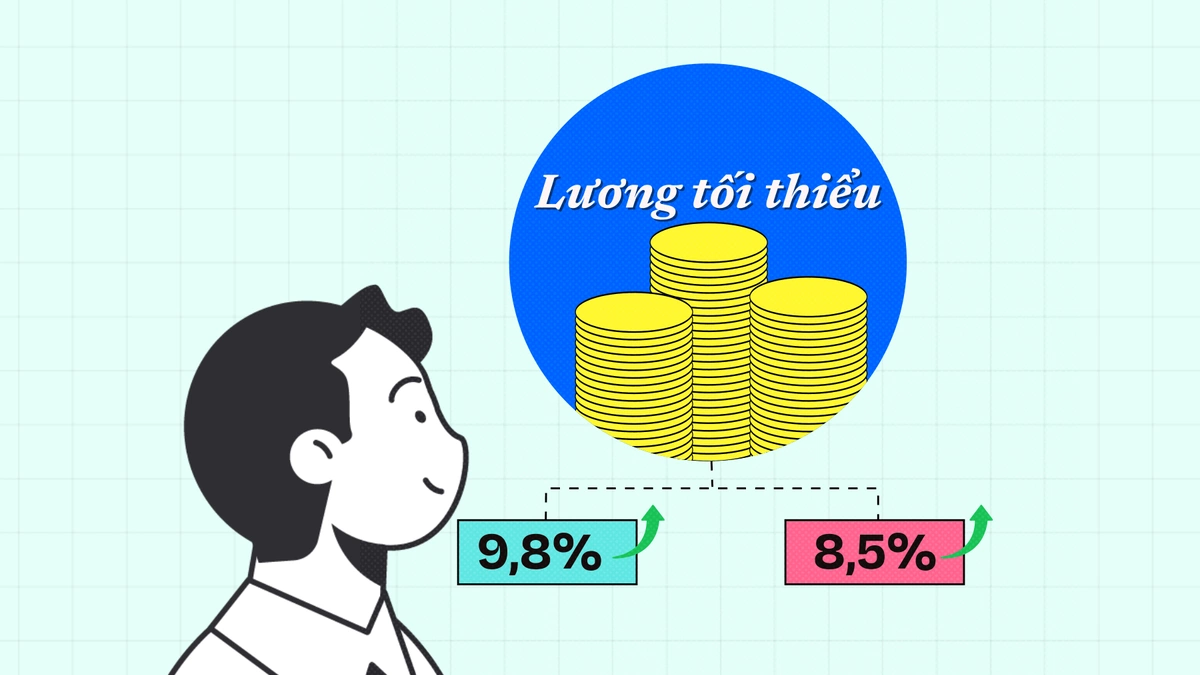
Vietnam has proposed an increase in the regional minimum wage, a move that could potentially improve the living standards of workers. However, this proposal is also raising concerns among businesses, particularly small and medium-sized enterprises (SMEs), about increased labor costs and potential inflationary pressures. The government has suggested raising the minimum wage by an average of 6%, effective from July 1, 2024. The aim is to boost the purchasing power of workers, especially low-wage earners, and enhance their quality of life. Under Vietnam's one-party system, maintaining socio-economic stability and improving people's lives are constant priorities, and minimum wage hikes are seen as part of this effort. On the other hand, businesses, especially SMEs in manufacturing and services, are concerned that rising labor costs could strain their operations. If they are forced to pass on these increased costs to product prices, it could lead to domestic inflation, potentially reducing the real wages of workers. While Vietnam's economy has seen remarkable growth in recent years, discussions continue about whether the benefits of this growth are distributed equally across all segments of society and whether economic development is proceeding sustainably. Considering Vietnam's economic reliance on China, this minimum wage hike proposal also warrants attention from the perspective of maintaining the competitiveness of domestic industries. If increased costs undermine international market competitiveness, there is a possibility of supply chain realignments or shifts in production to countries with greater cost competitiveness. The government aims to balance the protection of workers' rights with economic growth to improve overall societal welfare. The impact of this proposed minimum wage increase on Vietnamese society will be closely watched. Source: VnExpress
多角的分析
最低賃金の引き上げは、国内消費の刺激を通じて短期的な経済成長を後押しする可能性があります。しかし、企業、特に労働集約型産業においては、人件費の上昇が生産コストの増加に直結し、製品価格への転嫁を通じてインフレを誘発するリスクがあります。過去の事例では、賃金上昇率が生産性向上率を上回ると、企業の国際競争力が低下し、輸出に悪影響を与えることが示されています。ベトナム経済は製造業への依存度が高いため、このバランスの取り方が重要となります。
最低賃金の上昇は、特に労働集約型産業に投資する企業にとって、直接的なコスト増要因となります。これにより、利益率の低下や、場合によっては生産拠点の見直しを検討する動きが出る可能性があります。一方で、国内消費の拡大は、小売業やサービス業への投資機会を創出する可能性も秘めています。投資家は、賃金上昇の影響を吸収できる価格設定力や生産性向上の余地を持つ企業を見極める必要があります。
最低賃金の引き上げは、低賃金労働者の生活水準向上に直接的な恩恵をもたらす一方で、物価上昇が続けば実質賃金の低下を招き、かえって生活が苦しくなる層も出てくる可能性があります。特に、都市部と地方の経済格差や、非公式経済で働く労働者への影響は、社会的な課題として残ります。また、企業がコスト増を理由に雇用を抑制したり、労働条件を悪化させたりする可能性も懸念されます。
最低賃金の引き上げは、日々の生活費をやりくりする多くの労働者にとって、収入増加の期待に繋がります。しかし、同時に食料品や日用品の価格が上昇するのではないかという不安も抱えています。特に、子育て世代や都市部での生活費が高い層は、賃金上昇分が物価上昇に相殺されることを懸念しており、政府には賃金と物価の安定的な管理を求めています。
背景・歴史的文脈
ベトナムでは、1986年のドイモイ(刷新)政策以降、市場経済化が進み、経済成長を遂げてきました。その中で、労働者の権利保護と生活水準の向上は、社会主義国家としての正当性を維持する上で重要な課題です。最低賃金は、経済発展の進展と物価上昇の状況を考慮し、定期的に見直されてきました。特に、製造業の発展に伴う都市部への人口流入と、それに伴う生活費の上昇は、最低賃金引き上げの議論を後押しする要因となっています。
原文ソース
VnExpress