Ho Chi Minh City Aims to Complete Compensation for Ma Lang Urban Redevelopment Project by Year-End
Politics
2026年6月30日
5
VnExpress

Ho Chi Minh City Aims to Complete Compensation for Ma Lang Urban Redevelopment Project by Year-End

AI サマリー

Ho Chi Minh City has set a goal to complete land compensation, support, and resettlement for the Ma Lang and Cho Ga-Gao urban regeneration projects by the end of the year. The large-scale project, slated for implementation between 2026 and 2029, is expected to affect over 1,600 households.

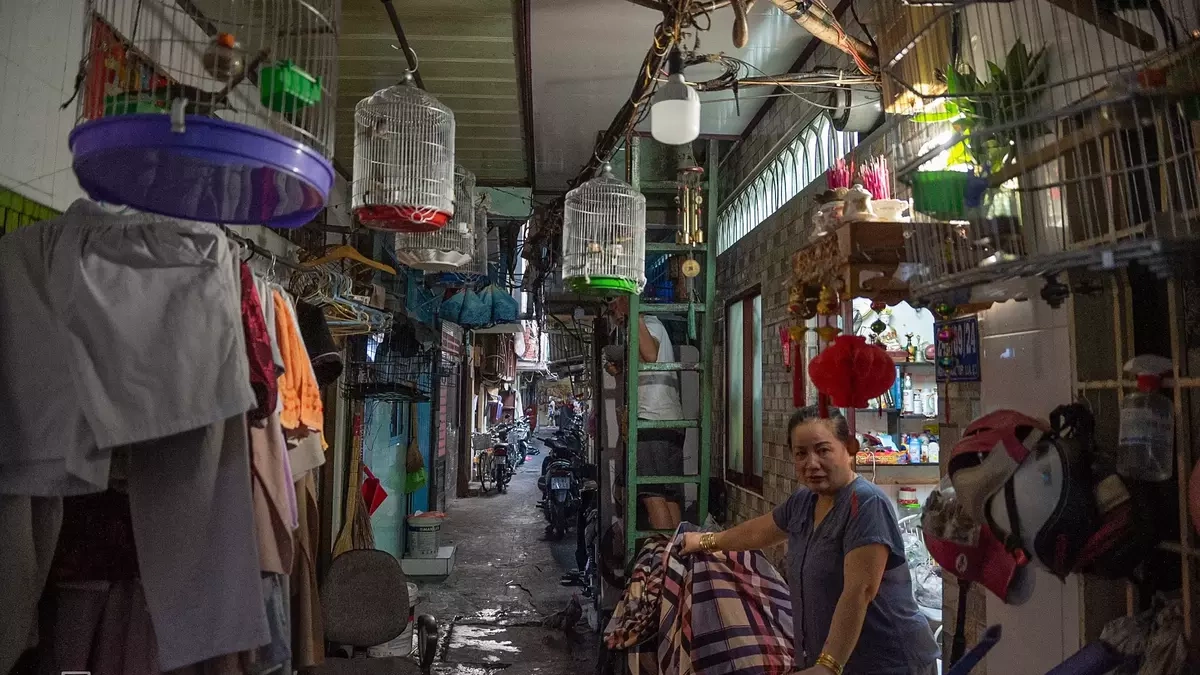
Ho Chi Minh City aims to complete land compensation, support, resettlement, and site handover for the Ma Lang and Cho Ga-Gao urban regeneration projects by December 31st of this year. According to a plan recently issued by the City People's Committee, compensation, support, and resettlement plans will be approved by August 24th. Following this, relevant authorities will disburse compensation funds, arrange resettlement sites, and hand over all land before the end of the year. The project, which spans two wards, Ben Thanh and Cau Ong Lanh, requires the city to urge relevant departments, local authorities, and investors to coordinate closely to accelerate land acquisition progress. Land acquisition, compensation, and resettlement must be conducted openly, transparently, and in accordance with regulations. In addition to clearly assigning responsibilities and deadlines for each agency and unit, the City People's Committee has directed these units to proactively propose and advise on the application of special mechanisms and policies when conditions are met, to resolve difficulties and speed up compensation and land acquisition. The Ma Lang and Cho Ga-Gao urban regeneration project received investment policy approval from the City People's Council on June 19th, under a Public-Private Partnership (PPP) model with a Build-Transfer (BT) contract. The preliminary total investment capital is estimated to exceed VND 16.369 trillion. According to the plan, the project will be implemented from 2026 to 2029, with construction commencing in the third quarter of this year, completion by the end of 2028, and operation starting in 2029. Compensation and site clearance are expected to begin in August of this year. The project is expected to affect approximately 1,651 households in the two areas. Of these, the Ma Lang area involves about 1,459 households with nearly 4,700 residents, while the Cho Ga-Gao area involves 192 households with 744 residents. Previously, Ho Chi Minh City approved a policy to support residents while they await resettlement sites. Decision 11 stipulates that each household with a maximum of four members will receive VND 8 million per month, with an additional VND 2 million per person per month for the fifth member and beyond, but the total amount will not exceed VND 24 million per household per month. This support will be disbursed from the time residents hand over their land until resettlement sites are allocated, estimated to last 2-3 years during the project's implementation. Upon completion, the project is expected to build nearly 2,300 social housing units for local resettlement, including approximately 1,400 units in the Ma Lang area and 760 units in the Cho Ga-Gao area, along with synchronized school systems, technical infrastructure, and social infrastructure. The Ma Lang area, also known as the Nguyen Cu Trinh quadrilateral, covers 6.8 hectares, bordered by Nguyen Trai, Cong Quynh, Tran Dinh Xu, and Nguyen Cu Trinh streets. The area currently has over 530 houses with an area of less than 20 m2, most of which are dilapidated. Meanwhile, the Cho Ga-Gao area, located between Nguyen Thai Hoc, Vo Van Kiet, and Yersin streets, is a market formed before 1975 but has degraded infrastructure requiring renovation.

多角的分析

経済的影響

このプロジェクトは、16兆ドン超という巨額の投資を伴う都市再生事業であり、ホーチミン市中心部における不動産開発とインフラ整備に大きな影響を与える。PPP・BT方式の採用は、ベトナム政府がインフラ開発資金を確保するための一般的な手法であり、民間投資を呼び込むことで、財政負担を軽減しつつ大規模開発を推進する意図が見て取れる。BT契約においては、開発事業者が公共インフラを建設し、その対価として別の土地開発権を得る形が一般的であり、本件でも同様のスキームが想定される。これにより、市はインフラ整備と同時に、新たな住宅供給(特に社会住宅)による都市機能の向上と住民の居住環境改善を図ることができる。

投資家心理

このプロジェクトは、長期的な視点を持つ投資家にとって、ベトナムの都市開発における有望な機会を提供する可能性がある。特に、PPP・BT方式は、政府との連携を通じて開発リスクを分散できる利点がある。1,600世帯以上が影響を受ける規模であり、再開発後の住宅供給(社会住宅含む)や商業施設の開発など、多岐にわたるビジネスチャンスが生まれると予想される。ただし、BT契約における土地開発権の条件や、プロジェクトの進捗リスク、そしてベトナム特有の法規制や許認可プロセスへの理解が、投資判断における重要な要素となるだろう。過去の類似プロジェクトの成功事例や、用地取得・補償における遅延リスクを慎重に評価する必要がある。

社会的影響

マーラング地区とチョーガー・ガオ地区に住む約1,651世帯の生活再建が、このプロジェクトの最も直接的な社会的影響である。特に、マーラング地区は老朽化した狭小住宅が多いことから、住民はより良い居住環境への期待を抱いていると考えられる。しかし、補償額や再定住地の条件、そして移転から入居までの間の家賃補助(月額最大2,400万ドン)が、住民の生活水準を維持できるかが重要な課題となる。また、再開発によって地域コミュニティのあり方が変化する可能性もあり、住民間の合意形成や、移転後の生活への適応支援が求められる。プロジェクトの透明性と公正な手続きは、住民の不安を軽減し、社会的な受容を得るために不可欠である。

市民の声

ホーチミン市、特にベンタイン区やカウオンラン区の住民にとって、このプロジェクトは生活環境の劇的な変化をもたらす。マーラング地区のように、狭く老朽化した住居に住む住民にとっては、より安全で快適な住まいへの期待があるだろう。しかし、移転に伴う不便さや、新しい場所での生活への適応、そして補償額が十分かどうかといった不安も大きい。特に、家賃補助が2~3年という期間に限られているため、その後の生活設計をどう立てるかが住民にとっての大きな関心事となる。公聴会や説明会などを通じて、住民の声が計画に反映されることが、円滑なプロジェクト進行と住民の納得感につながるだろう。

背景・歴史的文脈

ベトナム、特にホーチミン市では、経済成長に伴う都市化の進展とインフラ老朽化が長年の課題である。1986年のドイモイ政策以降、市場経済化が進み、都市部への人口集中と不動産開発が加速した。しかし、急速な開発は、特に中心部における低所得者層の居住区のインフラ未整備や老朽化を招いた。マーラング地区やチョーガー・ガオ地区のようなエリアは、歴史的に形成された密集市街地であり、都市美化と防災、そして土地利用効率の向上を目的に、再開発プロジェクトが計画されてきた。PPPやBTといった官民連携・事業交換方式は、政府が財政的制約の中で大規模インフラ整備や都市再生を進めるために、近年積極的に導入されている手法である。

原文ソース

VnExpress

原文を読む