US agricultural exports to PHL drop 2% in 2025 on lower wheat prices
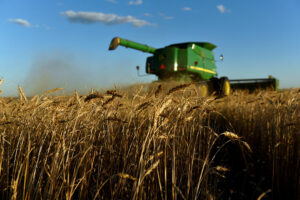
US agricultural exports to the Philippines declined by 2% in 2025, primarily due to lower wheat prices, according to the US Department of Agriculture (USDA). Despite the drop, the Philippines remains a leading market for US produce, ranking 11th.
US agricultural exports to the Philippines fell 2% in 2025 due to lower wheat prices, according to the US Department of Agriculture (USDA). Despite the drop, the Philippines remains among the leading markets for US produce, ranking as the 11th largest destination for US agricultural exports. Soybean meal was the top US agricultural export to the Philippines in 2025, amounting to $1 billion. This was followed by wheat ($630 million), dairy products ($366 million), poultry ($251 million), ethanol ($192 million), pork ($133 million), beef ($127 million), and processed vegetables ($90 million). Exports of poultry, ethanol, livestock, and other meat products to the Philippines were at record levels, the USDA noted. The USDA cited the Philippines’ high level of urbanization, growing population of young workers, and a strong preference for American products and brands as factors driving robust demand for US food and beverage exports, despite logistical challenges and high distribution costs. “As the top Southeast Asian destination for US consumer-oriented agricultural products, the market provides a strong demand for fruit and vegetable juices, beef and pork products, tree nuts, fresh vegetables and fruits, poultry meat and products, wine and related products, condiments and sauces, dairy products, and processed vegetables products,” the USDA stated. — Marron Joshua F. Mendoza
多角的分析
米国産農産物輸出の減少は、フィリピン経済全体への直接的な影響は限定的であるものの、輸入物価の変動を通じてインフレ圧力に影響を与える可能性がある。特に、小麦価格の下落はパンや麺類などの主食の価格安定に寄与する一方、他の品目、例えば記録的な水準となった鶏肉や豚肉の輸出増は、国内の畜産農家にとっては恩恵となる可能性があるが、国内消費者の食料品価格への影響も注視する必要がある。フィリピンは依然として米国産農産物の主要市場であり、その需要構造は都市化と若年労働者人口の増加に支えられているため、今後も米国からの食品輸入は一定水準を維持すると考えられる。
米国農産物輸出の減少は、フィリピン国内の食品小売業者や加工業者にとって、調達コストの変動要因となり得る。小麦価格の下落は一部コスト削減に繋がる可能性があるが、他の品目の価格動向によっては、仕入れ戦略の見直しが必要となる場合がある。また、フィリピン市場における米国製品への強い嗜好は、投資家にとって魅力的な要素であり続ける。しかし、物流上の課題や高い流通コストは、投資リターンの不確実性を高める要因となるため、サプライチェーンの効率化や現地パートナーとの連携強化が、投資リスクを低減する鍵となるだろう。
フィリピンの都市化と若年労働者人口の増加は、米国産食品への強い嗜好を後押しする一方で、食料品の入手可能性と価格は、特に都市部以外の低所得層にとって重要な課題であり続ける。記録的な水準となった鶏肉や豚肉の輸出増は、国内の畜産農家にとっては収入増に繋がる可能性があるが、国内消費への影響は不透明である。また、物流の課題は、地方部での食料品へのアクセスをさらに悪化させる可能性があり、食料安全保障の観点からも注視が必要である。
フィリピン国民、特に都市部で生活する若年層は、米国製品への強い嗜好を持っているため、今回の輸出動向は彼らの食生活に影響を与える可能性がある。小麦価格の下落は、パンや麺類などの価格安定に繋がるかもしれないが、記録的な輸出となった鶏肉や豚肉の価格が上昇すれば、家計を圧迫する要因となりうる。物流の課題は、地方部での食料品の入手をさらに困難にする可能性があり、食料へのアクセス格差が広がる懸念がある。
背景・歴史的文脈
フィリピンは、人口増加と経済成長に伴い、食料品、特に加工食品や肉類などの需要が増加している。米国は、長年にわたりフィリピンにとって重要な農産物供給国であり、特に大豆粕や小麦などの穀物、乳製品、鶏肉などの輸出が中心となっている。フィリピンの農業セクターは、気候変動の影響やインフラの未整備、小規模農家が多いといった構造的な課題を抱えており、食料自給率の向上には限界がある。そのため、食料輸入への依存度が高く、米国をはじめとする主要輸出国からの供給が、国内の食料品市場の価格や安定供給に大きく影響する構造となっている。今回の小麦価格下落による輸出減は、一時的な市場要因によるものだが、フィリピンの食料輸入構造の脆弱性を示唆している。
原文ソース
BusinessWorld Economy