Pinoy Kids Radicalized Via Online Games, PNP Steps Up Vigilance
A growing number of minors in the Philippines have been exposed to extremist ideologies and planned violent acts through online gaming platforms like Roblox, leading to police interventions. Authorities are enhancing cybercrime prevention efforts based on intelligence from foreign counterparts.
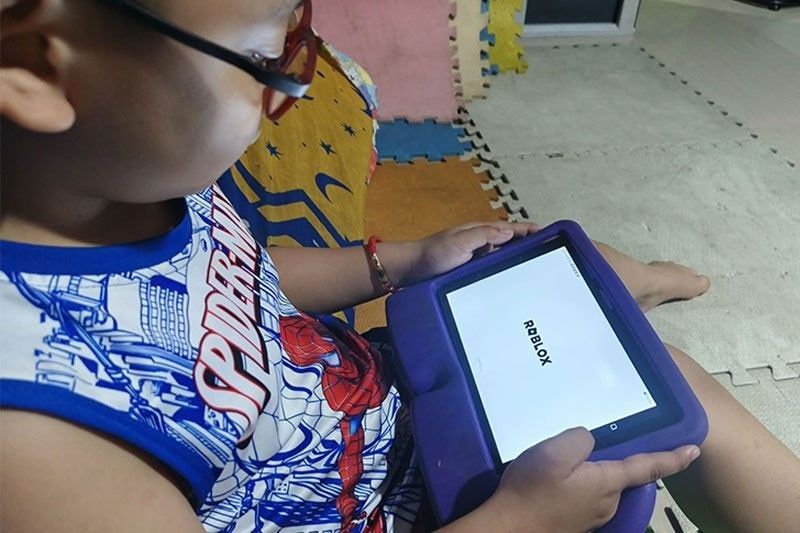
A disturbing trend has emerged in the Philippines, where minors are increasingly being radicalized and planning violent acts through online gaming platforms like Roblox. The Philippine National Police (PNP) is enhancing its vigilance and cybercrime prevention efforts, bolstered by intelligence from foreign counterparts. In Calamba, Laguna, seven 15-year-olds were found to be plotting a mass shooting, having learned shooting techniques and acquired violent content through links shared by a "friend" met on Roblox. Their plan was to carry out the attack on their school's foundation day, February 16, when the premises would be full of students, teachers, and parents. The plot was thwarted on February 2 by the PNP. Investigations revealed the teenagers had been searching for mass shooting footage, instructions on flash blinding using fire extinguishers, and Hitler emblems, indicating influence from events like the 1999 Columbine High School massacre. They also planned to commit suicide after the attack, mirroring the Columbine shooters. The intervention came after the PNP Anti-Cybercrime Group (ACG) received a tip from foreign agencies. The teenagers had been exchanging messages on Facebook with an individual who initially connected with them on Roblox. Forensics confirmed that the radicalization process likely moved from Roblox to other platforms such as Discord and Telegram, a pattern observed in similar cases. This incident is part of a broader concern: between January and May this year, the PNP has conducted 13 "rescue" operations involving at least 19 minors believed to have been radicalized into nihilistic violent extremism (NVE) and intending to commit fatal crimes. Recent violent incidents in schools, including a fatal attack in Tacloban, underscore the urgency of this issue. Social workers are actively engaged in providing psychological support to the affected children. However, cases requiring specialized intervention, such as one child referred to the National Center for Mental Health (NCMH), face significant waiting periods, with potential admission not until October. Experts point to early exposure to digital devices from a young age and unmonitored online access as contributing factors to the children's susceptibility to radical content. The PNP ACG continues to monitor the use of open-world games for radicalization and is strengthening international cooperation to gather intelligence and improve intervention mechanisms. Source: Philstar Business
多角的分析
オンラインゲーム市場の拡大は、フィリピン経済においてBPO(ビジネス・プロセス・アウトソーシング)産業と並ぶ成長分野となりつつある。しかし、今回の事件は、これらのプラットフォームが過激思想の温床となりうるリスクを浮き彫りにした。これは、プラットフォーム提供企業だけでなく、関連する広告収入やeスポーツ市場にも影響を与えかねない。また、未成年者の保護やサイバーセキュリティ対策への投資増加は、新たなビジネスチャンスを生む可能性がある一方で、過度な規制は市場の成長を阻害するリスクも孕んでいる。
今回の事件は、フィリピンにおけるテクノロジー関連企業、特にオンラインゲームやソーシャルメディアプラットフォームへの投資リスクを再評価するきっかけとなるだろう。プラットフォームの安全性と未成年者保護への取り組みは、投資家が重視するESG(環境・社会・ガバナンス)要因として、より重要視されるようになる。直接的な投資対象ではないが、フィリピンのデジタルインフラや教育関連テクノロジーへの投資には、長期的な視点での慎重なリスク評価が求められる。
フィリピンでは、若年層のインターネット普及率が非常に高く、特にオンラインゲームは主要な娯楽となっている。しかし、今回の事件は、Calamba市の7人の少年少女のように、ゲームを通じて見知らぬ人物と繋がり、暴力的な思想に感化されるという深刻な社会問題を示している。彼らは、SNSでの「友人」とのやり取りや、オンラインで入手した過激な映像や情報に触れることで、現実世界での暴力行為を計画した。社会福祉担当者による心理的介入が行われているものの、NCMHへの入院待ちが長期化するなど、支援体制の拡充が急務である。これは、家庭、学校、地域社会全体で、子供たちのオンライン活動への関与と、メンタルヘルスケアの重要性を再認識させる出来事である。
今回の事件は、マニラ首都圏のカラバ市に住む7人の15歳の子どもたちが、オンラインゲームを通じて過激思想に染まり、学校での銃乱射を計画したという、親として、また市民として非常に恐ろしい現実を突きつけている。子どもたちが、家庭で安全なはずの部屋で、ヘッドセットをつけ、画面に没頭していたかと思えば、暴力的な映像や過激な思想に触れていたという事実は、保護者たちの衝撃と不安を物語っている。SNSの「友人」とのやり取りが、現実世界での犯罪計画に繋がったことは、子どもたちのオンラインでの人間関係の危うさを示唆している。また、社会福祉担当者が懸命にケアにあたっているものの、専門的な精神科治療を受けるために数ヶ月も待たなければならないという現状は、公的な支援体制の遅れを浮き彫りにしている。これは、単に子どもだけの問題ではなく、社会全体で子どもの安全なデジタル環境の整備と、メンタルヘルスケアへのアクセス改善が求められていることを示している。
背景・歴史的文脈
フィリピンでは、インターネットの普及率が近年急速に上昇しており、特に若年層の間でオンラインゲームやソーシャルメディアの利用が生活の一部となっている。2010年代以降、スマートフォンの普及と安価なデータ通信料が、この傾向を後押ししてきた。しかし、その一方で、オンライン空間における有害情報や過激思想への接触リスクも増大している。特に、2017年のマラウイでのイスラム過激派による占拠事件以降、フィリピン国内におけるテロや過激思想への警戒感は高まっていた。今回の事件は、こうした背景の中、外国からの影響を受けやすい若年層が、匿名性の高いオンラインプラットフォームを通じて、暴力的な思想に染まるという新たな脅威が顕在化したことを示している。
原文ソース
Philstar Business