General articles are free for 24 hours after publish.
Vietnam Enhances Environmental Protection Awareness in Rural Areas Amidst Agricultural Pesticide Use Challenges
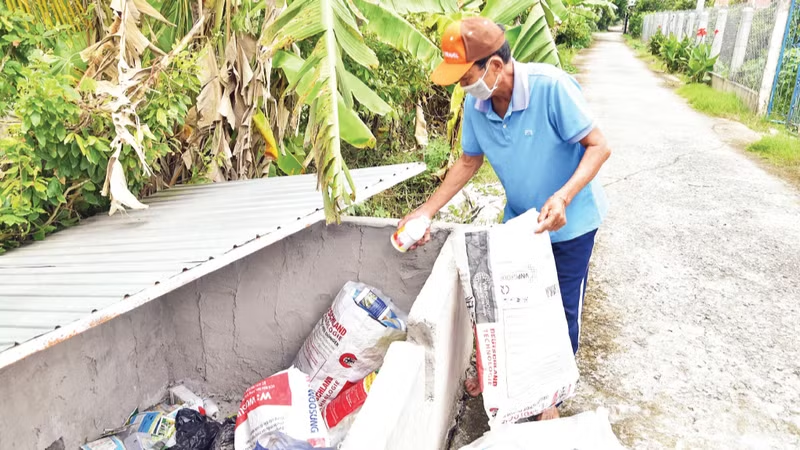
Dong Thap province, a major agricultural hub in Vietnam, faces environmental challenges due to high pesticide usage and improper disposal of packaging. The province is implementing measures like pesticide packaging collection, promoting biological pesticides, and strengthening producer responsibility to foster sustainable agriculture.
Dong Thap province, a key agricultural region in southern Vietnam, boasts nearly 500,000 hectares dedicated to fruit orchards, rice, and other crops. Annually, approximately 3,000 tons of pesticides are utilized, making the disposal of their packaging a significant environmental concern. In response, the province has initiated comprehensive measures to enhance environmental protection awareness and foster sustainable agriculture. A cornerstone of these efforts is the establishment of a collection and treatment system for used pesticide packaging, aiming to mitigate the risks of soil and water contamination from illegal dumping or improper disposal. Furthermore, the development and promotion of biological pesticides, which have a lower environmental impact, are being prioritized. This initiative seeks to reduce reliance on chemical pesticides and encourage a shift towards safer, more sustainable farming practices. Producers and importers of pesticides are also being held to higher standards of responsibility throughout the product lifecycle, including active participation in the collection and treatment of used packaging. Vietnam faces increasing pressure to comply with stringent pesticide residue standards, particularly for exports to major markets like the European Union (EU). Strengthening the control of pesticide residues in agricultural products destined for the EU is crucial for maintaining export competitiveness. Domestically, efforts are underway to refine the legal framework for biological pesticides in accordance with common ASEAN (Association of Southeast Asian Nations) principles, creating a harmonized system. This aims to bolster regional cooperation in advancing sustainable agriculture.
Original source
Nhan Dan