General articles are free for 24 hours after publish.
North Korea's Enduring Humanitarian Challenges: A Decade On
A former UN Resident Coordinator in North Korea, who served until 2013, argues that the humanitarian challenges he witnessed then persist today. The report highlights the ongoing struggles of the North Korean populace in food security, health, and access to medicine due to domestic and international constraints, underscoring the continued need for international aid.
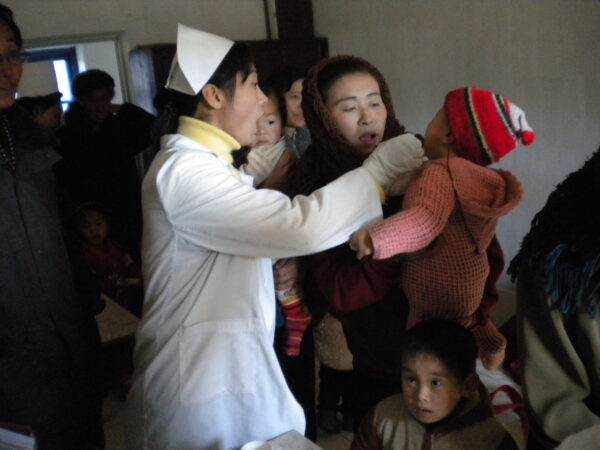
A decade after leaving Pyongyang, the author of "Witness to North Korea" asserts that the critical humanitarian challenges faced by the North Korean populace persist, underscoring the enduring importance of international engagement. Serving as the UN Resident Coordinator in the Democratic People's Republic of Korea (DPRK) from 2009 to 2013, the author reflects on the continued relevance of his observations in the memoir. The author identifies four key areas where the Kim Jong Un regime continues to grapple with a gap between intention and reality: food and nutrition; public health and infectious disease; availability of medicines and medical equipment; and technical cooperation and capacity building. These issues are shaped by both domestic limitations and international constraints. While some experts point to signs of marketization and monetization, such as a rising middle class and increased mobile phone penetration, the author maintains that fundamental needs remain unmet. Kim Jong Un's candid admission of inadequate agricultural production echoes the concerns humanitarian agencies encountered during the author's tenure. The government's rural modernization program acknowledges food security as an ongoing national challenge. Similarly, the health sector presents a familiar picture. Despite investments in new hospitals and infrastructure, foundational inputs like medicines, trained personnel, and reliable electricity remain questionable. The author's experience visiting health centers across the country highlights that physical infrastructure alone is insufficient without parallel investments in equipment, pharmaceuticals, and professional training. International restrictions further complicate engagement. The COVID-19 pandemic led to the withdrawal of many foreign embassies, UN agencies, and NGOs, making data collection and aid delivery more challenging than before. The continued prevalence of diseases like tuberculosis, even with a shift in international aid towards Russia, highlights persistent weaknesses in disease detection, treatment, and public health capacity. The author emphasizes that technical assistance to North Korea should not be viewed as a political reward but as a practical means to support the North Korean people. Isolation, he argues, does not diminish the need for humanitarian aid; rather, it amplifies the importance of international engagement. Information Source: The Diplomat Indonesia
Original source
The Diplomat Indonesia