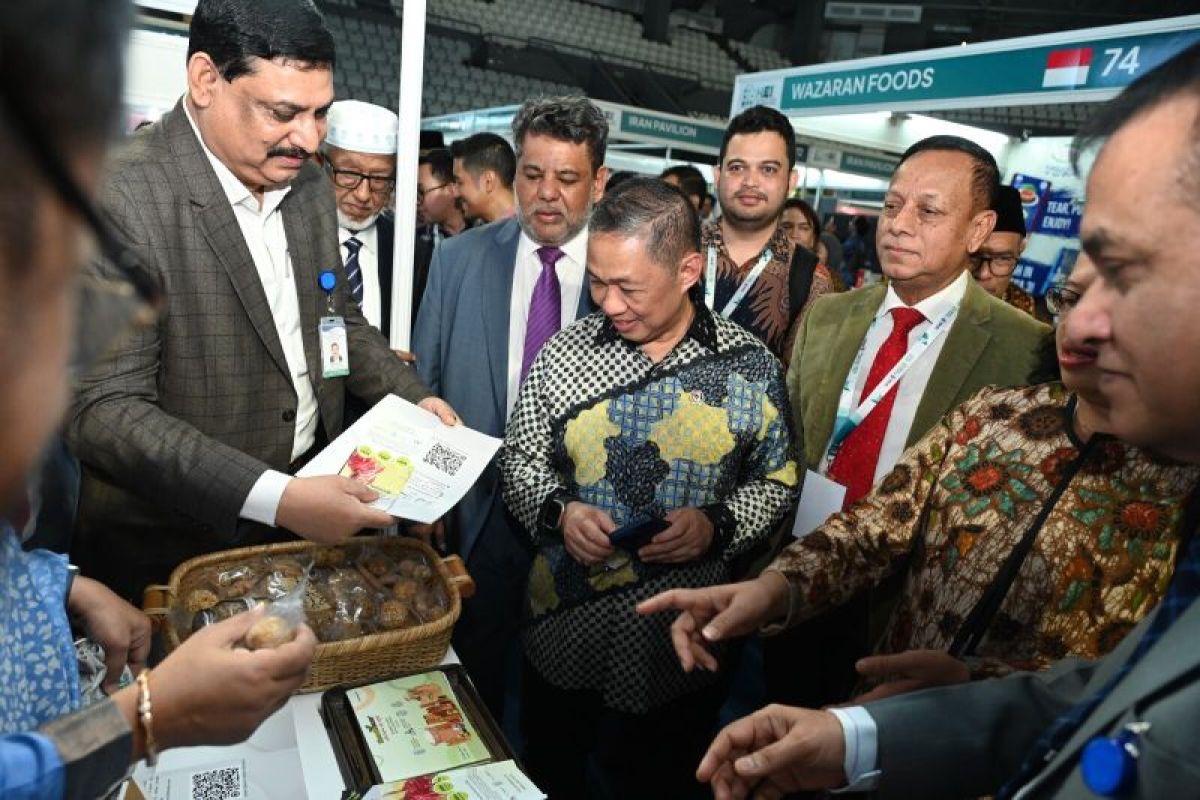
Indonesia Unveils First D-8 Halal Expo, Eyes $500 Billion Trade Goal
Indonesia hosted the first-ever D-8 Halal Expo in Jakarta, aiming to leverage the potential of the halal industry and achieve a trade target of $500 billion by 2025.
Indonesia has hosted the first-ever D-8 Halal Industry Expo in Jakarta. The expo aims to strengthen cooperation in the halal industry among the eight member countries of the Developing Eight (D-8) and leverage potential trade opportunities. The Indonesian government is focusing on the immense economic potential of the halal industry, with growth expected particularly in sectors such as food, cosmetics, pharmaceuticals, and tourism. This expo provides a platform for showcasing products and services in these areas and serves as a crucial step towards achieving the ambitious target of increasing trade among D-8 countries to $500 billion by 2025. As a country with the world's largest Muslim population, Indonesia is also prioritizing the establishment and dissemination of its halal certification system. The development of the domestic halal industry is expected to not only boost trade with Islamic countries but also revitalize the national economy. Furthermore, the promotion of halal tourism is on the agenda, aiming to establish Indonesia as an attractive destination for travelers who respect Islamic culture and values. The expo saw the participation of companies from related industries, government officials, and investors from D-8 member countries, fostering active discussions and business negotiations. Indonesia views this expo as an opportunity to solidify its position as an international hub for the halal industry. Source: Antara News (English)
多角的分析
インドネシアは、ハラル産業を新たな経済成長の柱と位置づけている。世界最大のイスラム教徒人口を背景に、国内市場の巨大さに加え、イスラム協力機構(OIC)加盟国全体での貿易拡大を目指す戦略は、経済的多角化と輸出促進に貢献する可能性がある。5000億ドルという目標は野心的だが、ハラル認証の標準化やサプライチェーンの強化が実現すれば、達成の可能性はある。特に、食品、化粧品、製薬、観光といった分野での国際競争力強化が鍵となる。
ハラル産業への投資は、イスラム諸国という巨大な市場へのアクセスを確保する上で魅力的である。インドネシアがハラル認証の国際的な基準 setter となり、信頼性の高い認証システムを構築できれば、国内外からの投資を呼び込むことができる。ただし、認証プロセスの透明性、サプライチェーンの安定性、そして各国の規制への適合性が投資判断の重要な要素となるだろう。現時点では、インドネシア国内のハラル市場の成長ポテンシャルに注目が集まる。
ハラル産業の振興は、インドネシア社会におけるイスラム教徒のアイデンティティと経済的機会の結びつきを強化する。ハラル認証の普及は、消費者の安心・安全への意識向上に繋がり、国内のハラル製品・サービスの品質向上を促す。また、ハラル観光の推進は、イスラム文化への理解を深め、多様な文化を持つ旅行者との交流を促進する可能性がある。一方で、認証プロセスにおける公平性や、中小企業がハラル認証を取得する際の負担軽減策も、社会的な包摂性を確保する上で重要となる。
ハラル博覧会の開催は、ジャカルタ市民にとって、より多様で質の高いハラル製品やサービスへのアクセス向上を意味する可能性がある。特に食品や化粧品分野で、イスラムの教えに沿った製品が容易に入手できるようになれば、生活の質が向上すると考えられる。しかし、ハラル認証の普及に伴う価格上昇の可能性や、認証プロセスが中小企業に与える影響など、市民生活への具体的な影響については、今後の動向を注視する必要がある。
背景・歴史的文脈
インドネシアは、世界最大のイスラム教徒人口を抱える国として、伝統的にイスラム文化や価値観が社会の基盤となっている。近年、経済成長とともに、イスラム教徒の消費者の間で、生活のあらゆる側面においてハラル(イスラム法で許されたもの)への意識が高まっている。これに応える形で、インドネシア政府はハラル産業を国家的な戦略分野と位置づけ、ハラル認証制度の強化や関連産業の育成に力を入れてきた。D-8(イスラム協力機構加盟国)は、経済開発協力のために設立された枠組みであり、ハラル産業における協力は、加盟国間の経済的結びつきを深める新たな機会として注目されている。
原文ソース
Antara News (English)