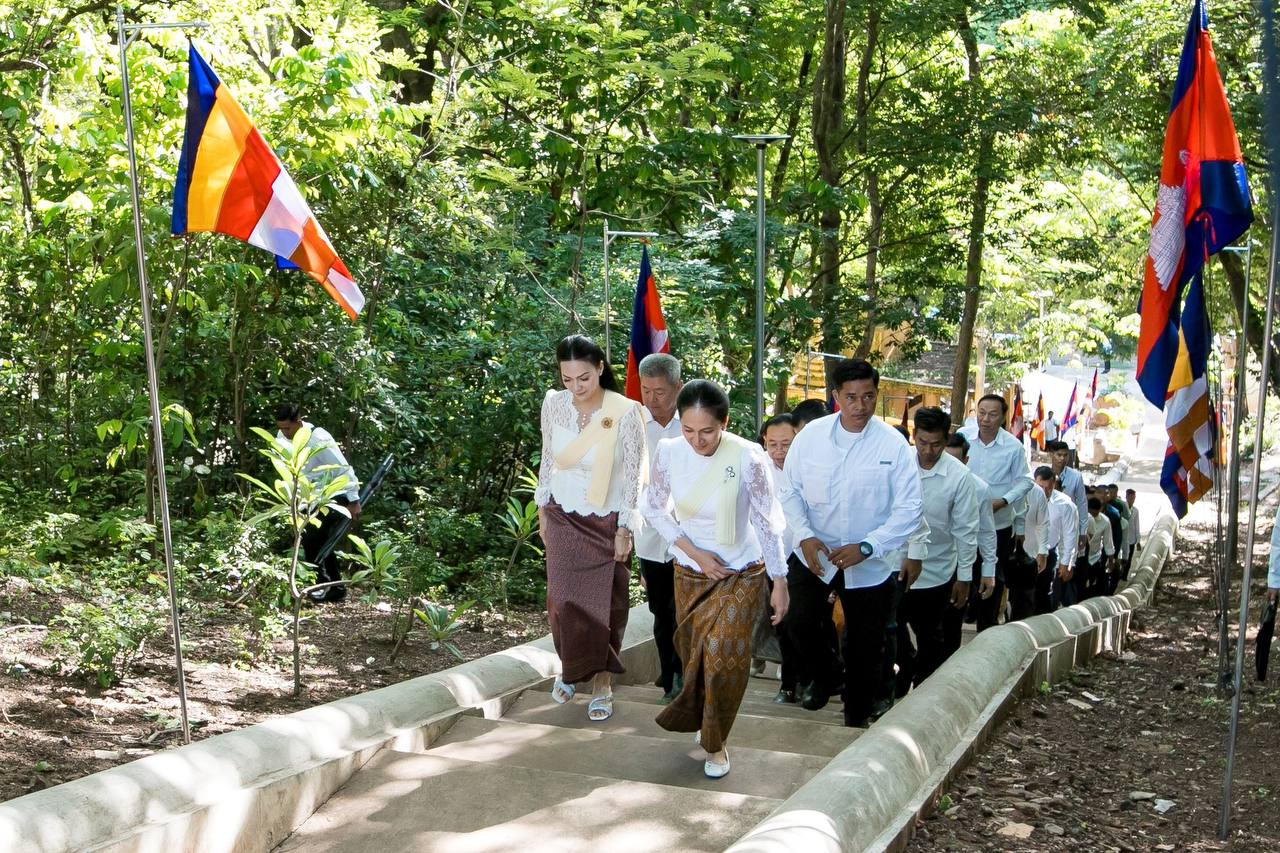
Attarossa Temple Museum Opens at Oudong Phnom Thom: Boosting Cultural Heritage Protection and Tourism
The Attarossa Temple, originally built in the 17th century, has been reopened to the public as a museum in Oudong Phnom Thom, Cambodia. Situated on the foundation of an 11th-century temple from the Angkorian era, it houses a 16.79-meter tall Buddha statue. Following extensive damage from decades of conflict, the temple has been fully restored under the Ministry of Culture and Fine Arts, aiming to preserve cultural heritage and boost tourism.
The "Attarossa Temple Museum" at Oudong Phnom Thom Resort (Phnom Udong) in Kandal Province, Cambodia, has officially opened for public viewing. Dr. Phet Chanmony Hun Manet presided over the inauguration ceremony, highlighting the significance of the site. The temple was first constructed in the 17th century during the Oudong period, built atop the ruins of an older temple dating back to the 11th century from the Angkorian era. Designed in the "Khleang style," this magnificent structure measures 39.2 meters in length, 22.3 meters in width, and 23.6 meters in height. Inside, it houses a colossal Buddha statue standing 18 hat (approximately 16.79 meters including the pedestal), from which the temple derives its name, "Attarossa" (meaning eighty hat). Over the decades, the Attarossa Temple suffered damage due to numerous wars, necessitating various repairs throughout its history. The Royal Government of Cambodia, under the purview of the Ministry of Culture and Fine Arts, undertook a comprehensive restoration and renovation project. The temple has now been fully restored and transformed into a museum. This initiative aims to contribute to the preservation, protection, and dissemination of cultural heritage and civilization. The museum will display Buddha images, devotional statues, and various religious artifacts originating from the stupas of King Ang Eng and King Ang Satha, as well as other ancient relics from the Oudong period. The opening of this museum is expected to play a crucial role in safeguarding Cambodia's rich historical and cultural heritage and in attracting both domestic and international tourists.
多角的分析
アッタロッサ寺院博物館の開館は、カンボジアの文化観光セクターに新たな魅力を加えるものであり、経済効果が期待される。特に、ウドン地域はプノンペンからのアクセスも良好であるため、日帰り観光客や短期滞在者の増加が見込まれる。博物館の運営や周辺のインフラ整備、土産物店などの関連産業の活性化は、地域経済の雇用創出と所得向上に貢献する可能性がある。しかし、持続的な観光客誘致のためには、交通アクセスの改善、宿泊施設の整備、多言語対応の案内表示やガイドサービスの拡充といった、より包括的な観光開発戦略が必要となるだろう。
この博物館の開館は、カンボジアの文化遺産を巡る観光投資にとってポジティブな兆候と言える。歴史的建造物の修復・再活用は、文化財保護と観光収入創出の両立を目指す投資家にとって魅力的な機会を提供する。特に、博物館周辺での宿泊施設、レストラン、土産物店などの開発は、新たなビジネスチャンスとなり得る。ただし、投資にあたっては、長期的な観光客の動向、インフラ整備の進捗、そして文化遺産保護の規制などを慎重に評価する必要がある。政府による文化財保護への積極的な取り組みは、投資リスクを低減させる要因となるだろう。
アッタロッサ寺院博物館の開館は、カンボジア国民、特に地元住民にとって、自分たちの歴史と文化遺産への誇りを再認識する機会となる。博物館として公開されることで、より多くの人々が寺院の歴史的、宗教的、芸術的価値に触れることができるようになる。これは、次世代への文化継承を促進すると同時に、地域社会における文化観光を通じた経済的恩恵をもたらす可能性がある。一方で、観光客の増加に伴う地域社会への影響、例えば交通渋滞の悪化や、伝統的な生活様式との摩擦などが生じないよう、地域住民の生活に配慮した持続可能な観光開発が求められる。
アッタロッサ寺院博物館の開館は、カンボジア市民にとって、自国の豊かな歴史と文化遺産に触れる貴重な機会となります。特に、長年の戦乱で損傷を受けながらも修復された寺院が博物館として蘇ったことは、国民の誇りとなるでしょう。これにより、国内観光の活性化や、地域経済への波及効果も期待できます。しかし、観光客の増加に伴う交通渋滞や、周辺環境への影響など、市民生活への具体的な影響についても、今後の動向を注視していく必要があります。
背景・歴史的文脈
アッタロッサ寺院は、カンボジアの歴史において重要なウドン時代(16世紀~19世紀初頭)に建立された。その基礎は、さらに古いアンコール時代(9世紀~15世紀)に遡る寺院跡の上に築かれている。ウドンは、アンコール・ボレイ時代以降、カンボジア王国の首都が置かれた場所の一つであり、政治的・文化的に重要な地域であった。しかし、度重なる戦乱や外国勢力との紛争により、多くの歴史的建造物が破壊・損傷を受けてきた。アッタロッサ寺院も例外ではなく、長年の戦乱で被害を受けた後、カンボジア政府(文化芸術省)による修復プロジェクトを経て、文化遺産保護と観光振興を目的とした博物館として再公開される運びとなった。
原文ソース
AKP Khmer