Vietnam Accelerates Identification of Fallen Soldiers Through DNA Testing, Facilitating Homecoming
Vietnam is accelerating the identification of fallen soldiers, many of whom remained unidentified for decades, through advanced NGS-SNP DNA testing. This initiative brings solace to numerous families and strengthens national commemoration and policies for meritorious individuals.
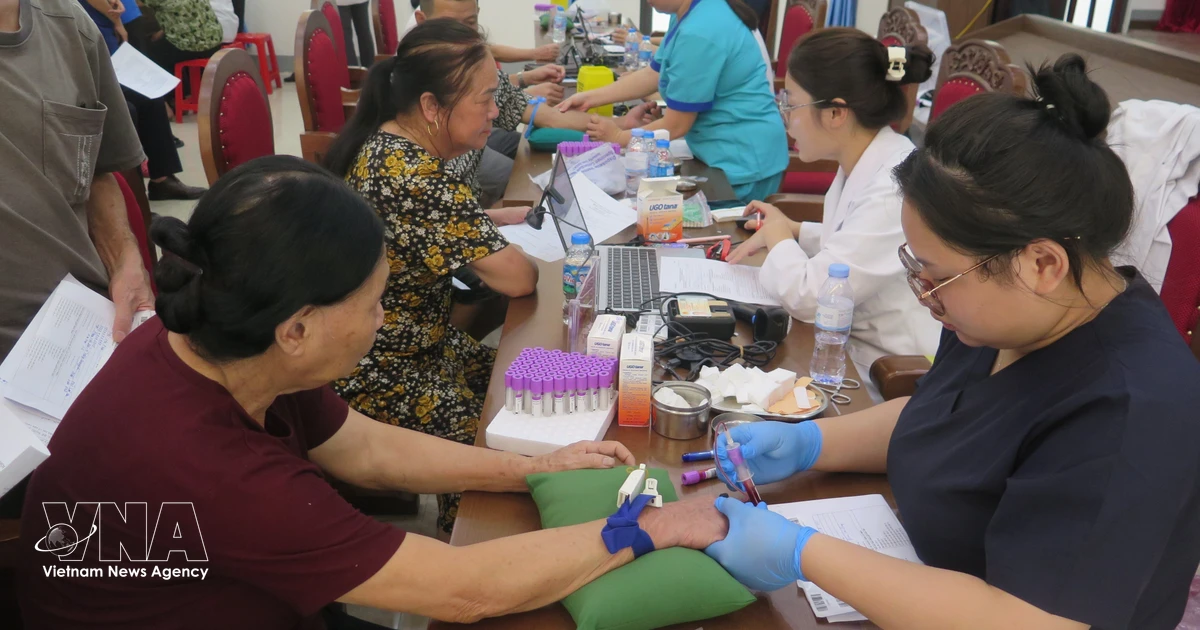
Vietnam is significantly advancing the process of identifying fallen soldiers by implementing the latest NGS-SNP technology. This technology enables kinship analysis not only with immediate family members but also with relatives as distant as the fourth and fifth generations, substantially increasing the chances of identification. Consequently, the remains of soldiers who perished more than half a century ago will finally have the opportunity to return to their homeland. The work, which commenced on July 9, is being carried out by military and medical personnel following strict technical procedures. This includes exhumation, biological sample collection, sealing and preservation of samples, documentation, and the digitalization of all relevant information. Each sample is meticulously verified and cataloged, while excavation sites are accurately marked. Quang Ngai Province currently has 127 martyrs' cemeteries containing 37,689 graves, of which 15,771 remain unidentified. Approximately 6,000 martyrs from the province have yet to have their remains located. In this context, the introduction of DNA testing technology is indispensable not only for giving names to these unidentified remains and bringing solace to their families but also for more accurately inscribing the nation's historical memory. This initiative not only pays tribute to soldiers who lost their lives in the Vietnam War and other conflicts but also strengthens the foundation for national policies implemented for meritorious individuals and their families. Once digitalization is completed and a unified database is established, the search, recovery, and identification of remains will become much faster and more accurate, thereby improving the implementation of policies for those with meritorious service. Recovery of the remains of Vietnamese volunteer soldiers and experts who died during operations in Cambodia is also progressing. During the 2025–2026 dry season, Team K51 recovered and repatriated 27 sets of remains. This achievement is the result of nearly seven months of searching through forests, crossing streams, and following even the smallest leads. Furthermore, on July 13, a total of 14 sets of remains of Vietnamese volunteer soldiers and experts, including 10 recovered in Kirivong district and four in Tram Kak district, were handed over by the Takeo Special Task Committee in Cambodia to their counterparts in An Giang Province, Vietnam. These remains will ultimately be repatriated to their homeland. This reflects Vietnam's emphasis on national unity and citizen integration under its one-party system. The identification of fallen soldiers is a crucial means of fostering patriotism and honoring past sacrifices. Amidst economic growth and the complexities of its relationship with China, such initiatives to strengthen domestic cohesion are considered to contribute to Vietnam's social stability.
多角的分析
DNA鑑定技術の導入とデータベース構築は、長期的な社会インフラ投資と見なせる。これは、遺族への補償や追悼関連の予算配分に影響を与え、関連産業(バイオテクノロジー、データ管理)の発展を促す可能性がある。また、国家の歴史的記憶の管理は、教育や文化産業への間接的な経済効果も期待できる。
直接的な投資機会は限定的だが、バイオテクノロジー分野やデータ管理ソリューションを提供する企業にとって、ベトナム政府との連携の可能性を示唆する。長期的には、国民のアイデンティティや歴史への関心を高めることで、関連する文化・観光産業への投資を間接的に後押しするかもしれない。
戦没者の身元特定は、遺族に長年の苦しみからの解放と安らぎをもたらす。これは、社会全体の連帯感を高め、国家への忠誠心を醸成する効果がある。特に、未特定遺骨の多さは、戦争の傷跡が社会に深く刻まれていることを示しており、この取り組みは癒やしと和解のプロセスを促進する。一方で、身元特定に至らないケースや、情報管理の透明性などが新たな課題となる可能性も指摘される。
多くの市民、特に戦没者の遺族にとって、このニュースは深い感動と希望をもたらす。長年、名前も分からず眠っていた家族の遺骨が、ついに祖国で、そして家族の元で安らかに眠れるようになるという事実は、計り知れない慰めとなる。これは、国民全体の愛国心を刺激し、過去の犠牲を再認識する機会となるだろう。
背景・歴史的文脈
ベトナム戦争(1955年-1975年)をはじめとする過去の紛争では、数多くの兵士が犠牲となったが、戦場の混乱や記録の不備により、多くの遺骨が未特定なままとなっている。ベトナム政府は、これらの戦没者(殉国者)を国家の英雄として敬意を払い、遺族への補償や追悼政策を重視してきた。近年、科学技術の発展、特にDNA鑑定技術の進歩により、これまで困難であった身元特定が可能になりつつある。これは、国家の統一、国民統合、そして歴史的記憶の継承という、ベトナムの一党体制下における重要な政策課題と連動している。
原文ソース
VietnamPlus English