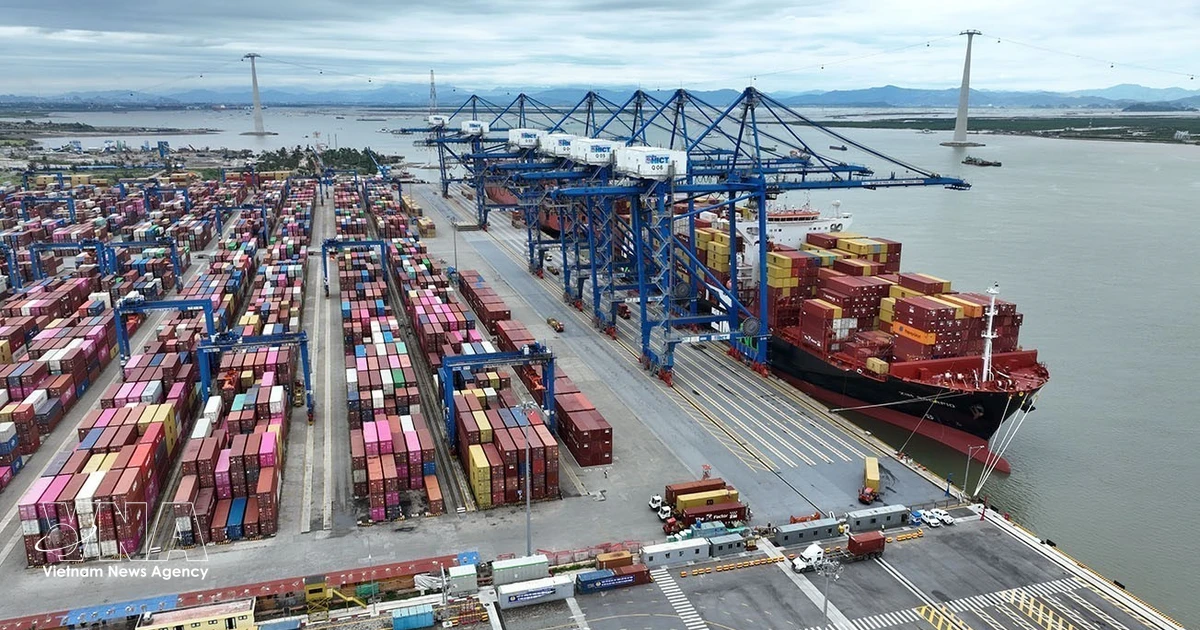
Vietnam Upgraded to Upper-Middle-Income Status Amid Economic Growth
The World Bank has upgraded Vietnam to upper-middle-income status. The country is projected to maintain strong economic growth, but industrial upgrading, productivity gains, and legal framework improvements are crucial for future development.
Vietnam has been upgraded to upper-middle-income status by the World Bank, marking a significant milestone in the country's economic development. Projections indicate that Vietnam will continue to be one of the fastest-growing economies in the region, with an expected expansion of 6.3% in 2026 and 7.7% in 2027, according to the World Bank. This upgrade reflects Vietnam's progress in specializing its industries and services, particularly in higher value-added segments. However, institutional reforms and productivity gains are deemed vital to fully capitalize on shifts in the global supply chain. The country's one-party system under the Communist Party of Vietnam guides its national economic development goals. A recent Politburo Resolution (No. 10-NQ/TW) designates the foreign-invested sector as an integral part of the national economy, encouraging its long-term development and ensuring it is treated on an equal footing with domestic sectors. Ambitious targets have been set for the 2026–2030 period, with Vietnam aiming to attract US$200–300 billion in registered FDI, averaging US$40–50 billion annually, and expecting disbursed capital to reach US$150–200 billion, or US$30–40 billion per year. This signals Vietnam's intent to deepen its economic integration with the international community. Key growth sectors include e-commerce, which sustains annual growth of around 20–25%, emerging as one of Southeast Asia's most dynamic markets. Further improvements in the legal framework, strengthening consumer trust, and fostering a fair competitive environment are expected to drive the digital economy. Crude steel output is forecast to reach 27 million tonnes in 2026, indicating improvements in domestic production capacity and market management measures. The agricultural sector also shows strength, with exports of agricultural, aquatic, and forestry products increasing year-on-year. In areas such as water security, dam and reservoir safety, and climate adaptation, Vietnam hopes for support, particularly concessional financing from the World Bank. This highlights the nation's efforts to address climate change risks and achieve sustainable development goals. Vietnam's economic growth is also evident in manufacturing upgrades and infrastructure investments. A 100 MW wind power project and concurrent industrial exhibitions in Hanoi covering plastics, printing and packaging, automation, and electronics showcase the expansion of the country's industrial base and investment in technological innovation. Developments in port infrastructure and the aviation market are also expected to boost international trade and tourism. Information source: VietnamPlus English
多角的分析
ベトナムの「中・高所得国」への昇格は、過去数十年にわたる急速な経済成長の証である。特に、製造業とサービス業における高付加価値化へのシフトは、グローバルサプライチェーンにおける同国の地位向上を示唆している。しかし、その持続性には、制度改革と生産性向上という構造的な課題が深く関わっている。世界銀行が指摘するように、これらの課題への取り組みが不十分な場合、成長の鈍化や、より高度な経済構造への移行の遅れを招く可能性がある。例えば、過去のASEAN諸国の事例では、中間所得層の罠(Middle Income Trap)に陥り、経済成長が停滞するケースが見られる。ベトナムがこの罠を回避するには、イノベーションの促進、教育・訓練への投資、そしてより効率的で透明性の高い規制環境の整備が不可欠である。
ベトナムの「中・高所得国」への格上げは、投資家にとって、同国がもはや低コスト労働力のみに依存する経済ではないことを示唆している。高付加価値セグメントへの進出や、デジタル経済、グリーンエネルギーといった成長分野への投資機会が増加していることを意味する。しかし、世界銀行が指摘する制度改革の遅れや生産性向上の必要性は、投資リスクとしても認識すべきである。特に、外資系セクターに対する「同等の扱い」という政治局決議は、 FDI誘致の意欲を示す一方で、その実効性、すなわち法制度の安定性や予見可能性が問われることになる。過去の事例では、ベトナムは FDI を積極的に誘致してきたが、その恩恵を最大限に享受するには、国内企業との連携強化や、より洗練されたサプライチェーンの構築が求められる。
ベトナムの「中・高所得国」への昇格は、国民生活の向上に繋がる一方で、新たな社会課題も浮上させる。例えば、eコマースの急成長は、都市部を中心に利便性を高めるが、地方でのデジタルデバイドや、消費者保護の課題を顕在化させる。また、産業構造の高度化は、より専門的なスキルを持つ労働者を求める一方で、従来の製造業に従事する労働者の再教育や、失業リスクへの対応が求められる。さらに、気候変動への適応策は、水資源管理やインフラ整備に影響を与え、特に農業に依存する地方コミュニティの生活基盤を揺るがす可能性がある。これらの変化は、国民の期待値の上昇と、社会全体の格差是正への圧力を高めるだろう。
ベトナムが「中・高所得国」になったことは、生活実感としては、まだ実感しにくい部分もある。都市部では、eコマースの普及で買い物が便利になったり、新しいインフラが整備されたりしているが、地方では物価の上昇や、教育・医療へのアクセス格差が依然として課題だ。特に、農業分野で働く人々は、気候変動の影響を受けやすく、収入の不安定さに不安を感じている。また、外資系企業への優遇措置が続くと、国内の小規模事業者は競争に苦しむのではないかという懸念もある。政府が掲げる高い経済成長目標は、国民全体の幸福にどう繋がるのか、具体的な政策が求められている。
背景・歴史的文脈
ベトナムが「中・高所得国」に昇格した背景には、1986年に開始されたドイモイ(刷新)政策以降、市場経済化と対外開放を進めてきた長年の努力がある。これにより、ベトナムは農業国から製造業中心の経済へと転換し、特に2000年代以降、外国直接投資(FDI)を積極的に誘致することで、年平均6%を超える高い経済成長を維持してきた。この成長軌道は、中国の経済構造変化や、グローバルサプライチェーンの再編といった外部要因も追い風となった。今回の昇格は、こうした累積的な経済発展の成果を国際社会が公式に認めたものと言える。
原文ソース
VietnamPlus English