PGH Doctors Demystify Healthy Aging for Pattaya City Expats Club
Pacific Garden Hospital doctors addressed the Pattaya City Expats Club on 'The Mechanics of Aging Well,' emphasizing health span over lifespan and detailing biological drivers of aging that can be managed through lifestyle and medical intervention.
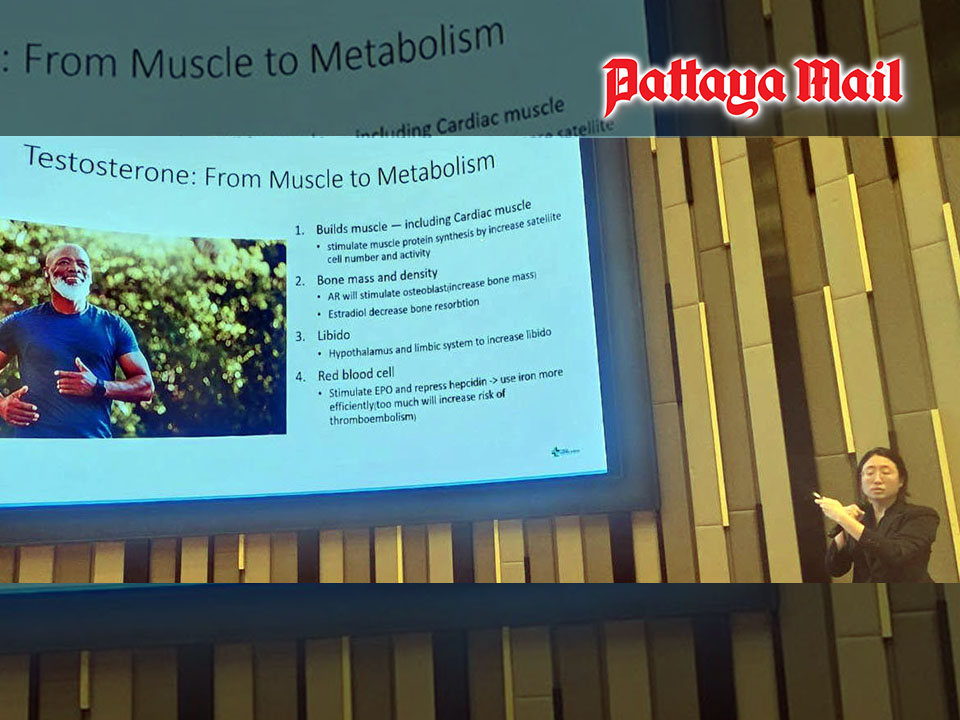
PATTAYA, Thailand – “The Mechanics of Aging Well” was to topic of a talk given by Dr. Kasama Wirojskoolchai with support from Dr. Mali Wirojskoolchai from Pacific Garden Hospital (PGH) to the Pattaya City Expats Club (PCEC) on Wednesday, July 8. They encouraged residents to look beyond lifespan and focus instead on health span: the number of years people can remain strong, active, mentally sharp and resilient. In her talk, Dr. Kasama said aging, through regenerative medicine, is an increasingly understood process. Rather than treating aging as a mystery, she described it as a set of biological changes that can be influenced by lifestyle, prevention and, when appropriate, carefully monitored medical care. A central message was that healthy aging depends on balance. The presentation highlighted three major biological drivers of decline: hormonal imbalance, mitochondrial dysfunction and telomere shortening. Hormones were described as the body’s communication system, while mitochondria were presented as the energy producers inside cells. When these systems are disrupted by age, chronic stress, poor diet, excess sugar, toxins or inactivity, the body may lose energy, muscle, metabolic flexibility and repair capacity. The first focus was the sex hormone loop, including testosterone, estrogen and progesterone. Dr. Kasama said these hormones play important roles in muscle mass, bone strength, mood, energy, skin health, sleep and cognitive function. She emphasized that the goal is not simply to raise one hormone, but to keep the body’s hormonal “orchestra” in tune. The second focus was the belly loop, centered on insulin and metabolic health. Insulin helps move glucose from the bloodstream into cells and stores excess energy for later use. But when diets are high in sugar, refined carbohydrates, unhealthy fats and ultra-processed foods, the Dr. Kasama warned, mitochondria can become overloaded and cells may become insulin resistant. That pattern can contribute to diabetes, fatty liver disease, high blood pressure, abnormal cholesterol and central obesity. The third focus was the stress loop, driven mainly by cortisol. The presentation explained that cortisol is useful during short-term stress because it helps the body produce energy. However, when stress becomes chronic, cortisol may keep blood sugar high, encourage belly fat storage, raise blood pressure, disturb sleep and weaken immune repair. Dr. Kasama urged the audience to treat stress management as a core part of preventive health. She repeatedly pointed to exercise, sleep, nutrition and stress control as the foundation for healthier aging. Dr. Kasama also introduced Bioidentical Hormone Replacement Therapy (BHRT) as an option for selected patients when lifestyle measures are not enough. They said hormone levels should be tested first, and treatment should be individualized, monitored and managed by qualified physicians. She cautioned against self-administering hormones, particularly testosterone, because inappropriate dosing may create health risks and disrupt the body’s natural hormone production. During the question-and-answer session, audience members raised practical concerns familiar to many residents: whether evening green tea can affect sleep, how prostate health should be assessed before male hormone therapy, how much white rice is too much, how often older adults should have blood tests, and how GLP-1 medications may support insulin sensitivity, blood glucose control and weight management. Dr. Kasama and Dr. Mali’s overall message was clear: aging well is not about chasing a single treatment or supplement. It requires attention to the connected systems that govern energy, metabolism, repair and resilience. For Pattaya’s growing health-conscious community, the talk offered a reminder that the most powerful interventions may begin with consistent daily choices, supported by medical testing and professional guidance when needed. They noted that BHRT is available at PGH. Following the presentations, MC Ren Lexander brought everyone up to date on upcoming Club events followed by the Open Forum portion of the meeting where questions are asked and comments made about Expat living in Thailand, especially Pattaya. To learn more about the PCEC, visit their website at https:/pcec.club. To view the video of the presentation, visit the PCEC’s YouTube channel at: https://www.youtube.com/watch?v=xTU0gm7MaaU. Information Source: Pattaya Mail
多角的分析
本件は直接的な経済活動ではないが、健康寿命の延伸は医療費負担の軽減や、高齢者の社会参加による経済活動への寄与といった間接的な経済効果をもたらす可能性がある。特に、健康増進への投資は、長期的に見て医療システムへの負荷を減らし、労働力としての高齢者の活躍期間を延ばすことで、経済全体の生産性向上に貢献しうる。また、BHRTのような先進医療へのアクセスは、富裕層や健康意識の高い層における新たな消費市場を形成する可能性もある。
健康寿命延伸技術や、それに関連する医療サービス(BHRTなど)は、ヘルスケアセクターにおける長期的な投資機会となりうる。PGHのような病院がこうした先進的なサービスを提供することは、同病院の競争力強化や収益性向上に寄与する可能性がある。また、健康的なライフスタイルを支援する製品やサービス(栄養補助食品、フィットネスプログラム、ストレス管理アプリなど)への投資も、健康意識の高まりとともに成長が見込まれる分野である。
パタヤに居住する外国人(エクスペット)コミュニティは、健康的なエイジングに対する関心が高い層であり、今回の講演は彼らの健康増進への意識を高める機会となった。特に、高齢化が進むタイにおいて、外国人居住者が健康で活動的な生活を送ることは、地域社会への貢献や、タイの医療ツーリズムの促進にもつながりうる。一方で、高齢者の健康問題はタイ社会全体に共通する課題であり、今回の講演内容がタイ国民にも広く共有されることが望まれる。講演で触れられたストレス管理の重要性は、現代社会に共通するメンタルヘルス課題とも関連が深い。
パタヤ在住の外国人にとって、健康寿命を延ばすための具体的な情報や、利用可能な医療サービス(BHRTなど)についての知識は、日々の生活の質を向上させる上で非常に有益である。特に、ホルモンバランスや代謝、ストレス管理といった、加齢に伴って多くの人が直面する課題に対する医師からの直接的なアドバイスは、安心感と具体的な行動指針を与える。講演で示された、日々の選択の重要性は、個々人が健康管理に対して主体的に取り組むことの意義を再認識させる。
背景・歴史的文脈
タイは急速な高齢化社会に直面しており、平均寿命の伸長と並行して、医療費の増大や社会保障制度への圧力が課題となっている。本講演は、単なる長寿(lifespan)ではなく、健康で活動的な期間(health span)の重要性を説くことで、この課題への新たなアプローチを提示した。PGHのような民間病院が、再生医療やホルモン補充療法といった先進的な医療サービスを提供することは、タイにおけるヘルスケアの高度化と、富裕層や外国人居住者を中心とした新たな医療市場の形成を示唆している。過去には、タイ政府も高齢者の健康維持や社会参加を促進する政策を打ち出してきたが、民間セクターによる専門的なアプローチは、これらの政策を補完し、より個別化された健康管理の提供を目指すものと考えられる。
原文ソース
Pattaya Mail