Baguio City to Unveil Memorial for 1990 Luzon Earthquake
Infrastructure
2026年7月17日
5
Inquirer NewsInfo

Baguio City to Unveil Memorial for 1990 Luzon Earthquake

AI サマリー

Baguio City is constructing a memorial to honor the devastation caused by the magnitude 7.8 earthquake in 1990 and the community resilience that followed. The city aims to pass on lessons learned from the tragedy to future generations, reinforcing disaster preparedness and community strength.

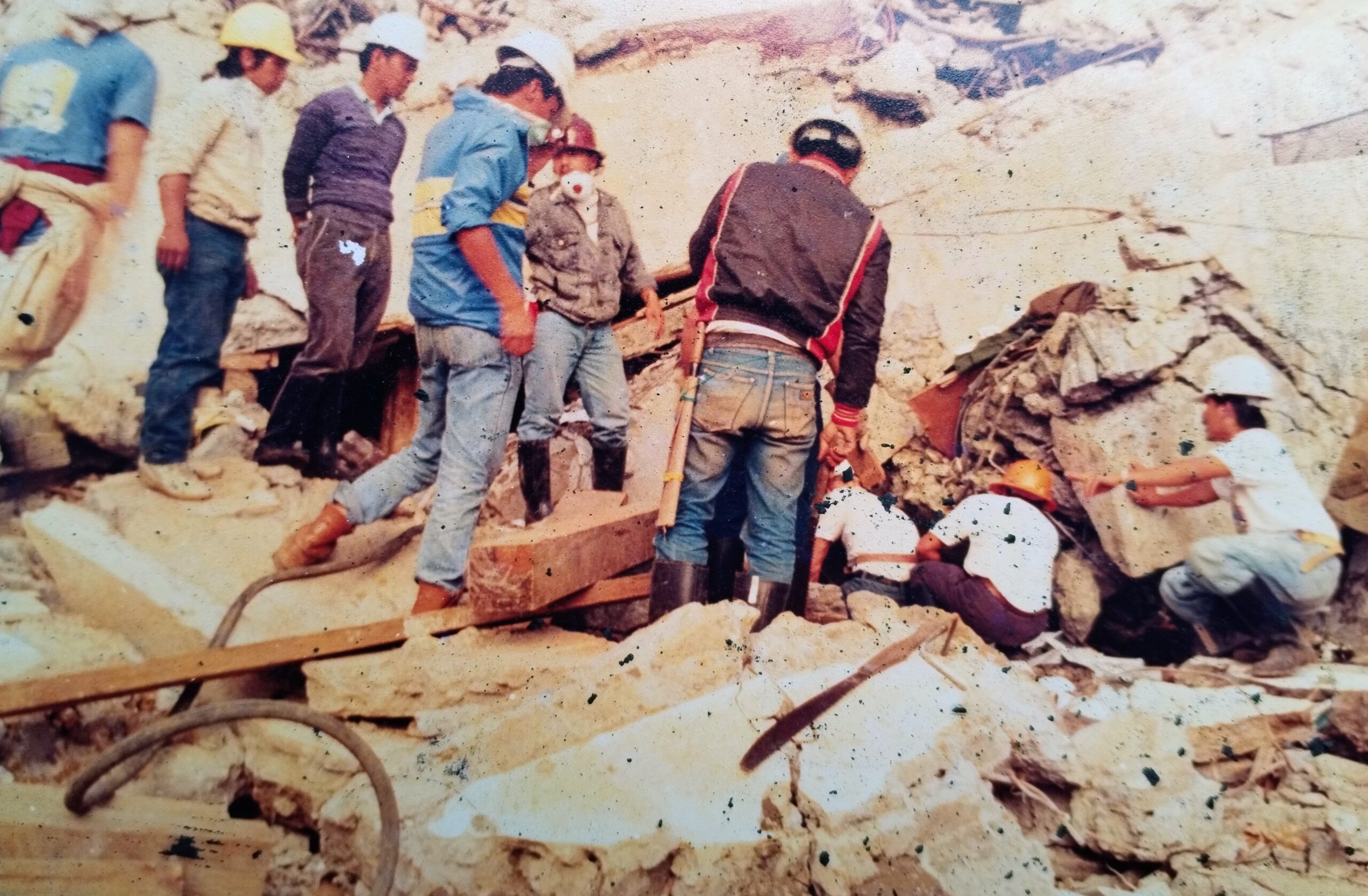
A memorial to the devastating magnitude 7.8 earthquake that struck the Philippines on July 16, 1990, is set to rise in Baguio City. The monument will not only recall the destruction but also symbolize the community insights, ideas, and reflections that aided in the city's recovery. Mayor Benjamin Magalong led the groundbreaking ceremony for the memorial, which will feature either a bust or a symbolic sculpture at the City Hall park. He emphasized that the revival of the quake memorial demonstrates how community resilience can reshape society. Baguio City's public commemoration rites for the earthquake were halted in 2013, as stated by Councilor Peter Fianza. The aim was to allow residents to heal rather than dwell on the tragedy, especially for younger residents who have not experienced it. During this period, "resiliency" became a local buzzword, highlighting the public's role in restoring Baguio. The 1990 earthquake, triggered by movement along the Digdig Fault, toppled buildings and caused widespread damage across Luzon, including provinces like Pangasinan and Nueva Ecija. The 54-second ground shaking tore apart roads and destroyed homes and structures, with the collapse of the Hyatt Terraces Baguio becoming an iconic image of the disaster. Baguio's rebuilding was guided by residents, civic leaders, and activists. A congress convened by non-governmental organizations developed a policy framework to control overdevelopment and preserve natural resources. This detailed plan included a garbage collection system, a no-gambling movement, a regreening crusade, and a disaster response mechanism that is still in place today. Current redevelopment projects in Baguio, such as the modernization of its wastewater system, continue many of the concepts for "building back properly" after devastation, as espoused during that congress. Former Baguio Representative Mauricio Domogan recalled that in the absence of smartphones and the internet, people were isolated, and Baguio was cut off by massive landslides. Only the Loakan runway was accessible for food aid and international rescue teams. However, Benguet miners, Philippine Military Academy cadets, and residents actively searched for survivors trapped in buildings. Mayor Magalong, then a police officer, believes these accounts are crucial for today's youth to understand the earthquake's continued relevance. The earthquake also spurred the concept of integrating Baguio with neighboring Benguet municipalities (La Trinidad, Itogon, Sablan, and Tuba) into a metropolis known as Metro BLISTT. This initiative, developed with European experts, aims to reallocate investments and ease overdevelopment. The same experts also created an urban master plan for Dagupan City, which suffered from liquefaction following the earthquake. Furthermore, the quake inspired the creation of the Baguio Flower Festival, or "Panagbenga," in 1995 by lawyer Damaso Bangaoet and his friends to attract tourists back. The festival remains a major crowd-drawer. Information Source: Inquirer NewsInfo

多角的分析

経済的影響

1990年の大地震は、バギオ市のインフラに壊滅的な被害を与え、観光業を中心に経済活動を長期にわたり停滞させました。しかし、その後の復興プロセスは、地域経済の構造変化を促しました。特に、災害対応能力の強化や持続可能な開発への意識向上は、新たな産業や雇用機会の創出につながる可能性があります。記念碑建設は、過去の教訓を活かし、将来の経済的レジリエンスを高めるための象徴的な投資と見ることができます。

投資家心理

1990年の地震は、バギオ市への投資リスクを浮き彫りにしました。インフラの脆弱性や自然災害への曝露は、投資家にとって大きな懸念事項です。しかし、今回の記念碑建設とそれに伴う復興への取り組みは、都市のレジリエンス向上へのコミットメントを示すものです。これは、長期的な視点で見れば、インフラ投資や防災関連産業への投資機会を生み出す可能性があります。投資家は、復興計画の進捗と、それによる都市の持続可能性の向上を注視する必要があるでしょう。

社会的影響

1990年の大地震は、バギオ市民の間に深いトラウマを残しましたが、同時に地域社会の連帯感を強化する契機ともなりました。記念碑建設は、この共同体の記憶と回復力を次世代に継承する重要な役割を果たします。特に、災害時の市民の自発的な救助活動や、その後の復興計画への積極的な参加は、フィリピン社会におけるコミュニティの力の証です。一方で、若い世代が過去の経験をどう受け止め、活かしていくかが、今後の社会的な課題となるでしょう。

市民の声

マニラ首都圏から離れたバギオ市のような都市では、自然災害への備えは生活の現実です。1990年の地震を経験した世代は、その恐ろしさを忘れず、常に警戒しています。記念碑の建設は、彼らにとっては過去の悲劇を思い出すと同時に、自分たちが生き残ったこと、そしてコミュニティが協力して立ち直ったことへの誇りでもあります。しかし、若い世代は、SNSなどで災害の情報を得ることはできても、その実体験がないため、記念碑が示す教訓をどれだけ真剣に受け止めるかは未知数です。彼らにとっては、防災訓練や教育が、より直接的な「備え」となるでしょう。

背景・歴史的文脈

1990年7月16日に発生したマグニチュード7.8のルソン地震は、フィリピン中部ルソン島を襲い、特に山岳地帯にあるリゾート都市バギオに壊滅的な被害をもたらしました。この地震は、フィリピンの主要な断層帯の活動によって引き起こされ、広範囲にわたって甚大な被害を及ぼしました。バギオ市では、多くの建物が倒壊し、数千人が死傷しました。この災害は、フィリピンにおけるインフラの脆弱性と、自然災害への対応能力の課題を浮き彫りにしました。しかし同時に、地域住民、ボランティア、そして政府機関が一体となった迅速な救助活動と、その後のコミュニティ主導による復興プロセスは、フィリピン社会におけるレジリエンス(回復力)の強さを示す事例となりました。この経験から、災害予防、早期警報システム、そして持続可能な都市計画の重要性が再認識され、政策に反映されてきました。

原文ソース

Inquirer NewsInfo

原文を読む