Vietnam's H1 GDP Grows 8.18% as New Growth Drivers Emerge
Economy
2026年7月16日
3
VietnamPlus English
Relations
🇻🇳Vietnam🇨🇳China

Vietnam's H1 GDP Grows 8.18% as New Growth Drivers Emerge

AI サマリー

Vietnam's Gross Domestic Product (GDP) expanded by 8.18% in the first half of 2026, surpassing the 7.63% growth seen in the same period of 2025. The National Statistics Office reported broad-based contributions from both supply and demand sides, with Q2 growth reaching 8.39%.

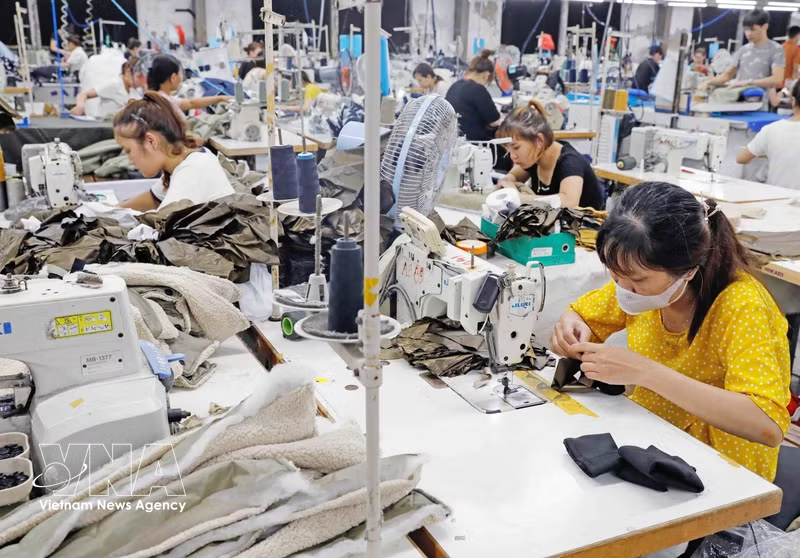
The General Statistics Office (GSO) announced that Vietnam's Gross Domestic Product (GDP) expanded by 8.18% in the first half of 2026. This figure surpasses the 7.63% growth recorded in the same period of 2025, reflecting broad-based contributions from both the supply and demand sides of the economy. The growth rate for the second quarter alone reached 8.39%, an increase from the 8.14% observed in the corresponding quarter of the previous year. This strong performance indicates that Vietnam's economy is successfully cultivating new growth drivers. The country, operating under a one-party system, has prioritized strengthening its manufacturing base and fostering an export-driven economic model in recent years. While maintaining significant economic ties with China, Vietnam is also actively working to diversify its supply chains to mitigate potential geopolitical risks. The current GDP expansion may be a testament to the effectiveness of these ongoing economic structural adjustments. To sustain this economic momentum, the Vietnamese government is actively promoting investment in emerging sectors like the digital and green economies, in addition to bolstering infrastructure development. Nevertheless, the rapid economic growth also brings to the fore persistent challenges, including the widening gap in income levels, environmental concerns, and the need for enhanced social infrastructure. The current GDP growth can be interpreted as a positive outcome of economic policies that are being pursued concurrently with efforts to address these critical issues.

多角的分析

経済的影響

ベトナムのGDPが8.18%という高い伸びを示した背景には、製造業の堅調さと輸出の好調さが挙げられる。特に、中国プラスワン戦略や地政学リスク分散の動きを受けて、多くの外国企業がベトナムへの投資を拡大しており、これが直接的な経済成長に寄与している。また、国内消費の回復も成長を支えていると考えられる。しかし、この成長が持続可能であるためには、インフレ抑制、通貨の安定、そして国内の需要構造のさらなる強化が不可欠となる。

投資家心理

今回のGDP成長率は、ベトナムが依然として魅力的な投資先であることを再確認させるものだ。特に、製造業、テクノロジー、インフラ分野への投資機会は引き続き大きいと見られる。ただし、投資家は、ベトナムの一党体制下での政策変更リスク、地政学的な影響、そして急速な経済成長に伴うインフラのボトルネックや労働力不足といった課題にも注意を払う必要がある。長期的な視点では、国内市場の拡大と中間層の増加がさらなる投資を呼び込むだろう。

社会的影響

8.18%という高いGDP成長率は、国民生活の向上に寄ち貢献する可能性がある一方で、地域間や所得層間の格差拡大を招く懸念もある。特に、都市部と地方部、あるいは製造業に従事する労働者とサービス業従事者との間で、経済的恩恵の享受度に差が生じる可能性がある。また、急速な工業化と都市化は、環境問題や社会インフラへの負荷を増大させるため、これらの課題への対応が、国民全体の満足度を高める上で重要となる。

市民の声

GDPの伸びは、雇用機会の増加や賃金の上昇につながる可能性があり、多くのベトナム市民にとって喜ばしいニュースである。特に、製造業や輸出関連産業で働く人々は、より安定した収入を得られる機会が増えると期待される。しかし、地方に住む人々や、成長の恩恵を受けにくい産業に従事する人々にとっては、その影響は限定的かもしれない。また、物価の上昇や、都市部での生活費の増加は、所得が増えても実質的な生活水準の向上を実感しにくくさせる要因となりうる。

背景・歴史的文脈

ベトナム経済は、1986年のドイモイ(刷新)政策以降、市場経済化を進め、特に2000年代以降、製造業と輸出を基盤とした高度経済成長を遂げてきた。近年は、米中貿易摩擦や地政学的なリスクの高まりを受け、多くの企業が生産拠点を中国からベトナムへ移転する「チャイナ・プラスワン」戦略の恩恵を享受している。一党体制下での強力なリーダーシップと、外国投資誘致のための積極的な政策が、現在の経済成長を支える構造的背景となっている。しかし、この急成長は、インフラの逼迫、環境問題、所得格差といった課題も同時に生じさせている。

原文ソース

VietnamPlus English

原文を読む