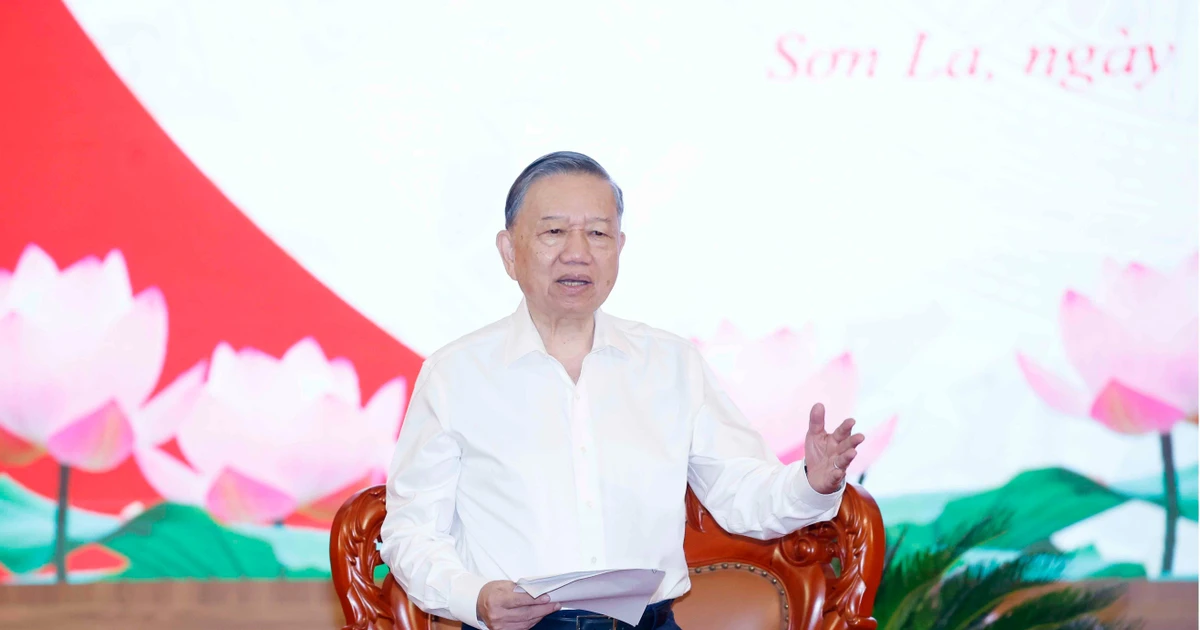
Son La Tapped as Agro-Processing, Tourism Hub to Boost Vietnam's Economy
Son La province in northern Vietnam is set to be developed as a hub for agro-processing and tourism. This initiative is part of Vietnam's strategy to transition from traditional growth models to a high-value-added economy, aiming to boost domestic economic growth and enhance international competitiveness.
Son La province in northern Vietnam is being positioned to become a key hub for agro-processing and tourism. This development is part of Vietnam's broader strategy to transition its economic model away from reliance on low-cost labor and foreign investment, aiming to achieve high-income status by 2045, as outlined by the World Bank. The province's potential lies in its rich agricultural output and natural landscapes. By developing Son La into an agro-processing and tourism center, Vietnam seeks to enhance the value-added of its agricultural, forestry, and fishery products, thereby boosting export competitiveness. The country's agro-forestry-fishery sector has shown robust export growth, with significant increases in aquatic and livestock products. However, for sustained growth, deeper processing, green production practices, and improved climate resilience are deemed crucial. Party General Secretary and State President To Lam has emphasized the importance of public participation in safeguarding national security and social order, underscoring the link between domestic stability and economic progress. Despite global economic uncertainties, Vietnam's economy demonstrated strong performance with an 8.18% GDP expansion in the first half of 2026, setting a foundation for potential double-digit growth for the full year. This aligns with the World Bank's view that higher productivity, innovation, and the strengthening of domestic enterprises are vital for Vietnam's future development. The development of Son La province is seen as a response to Vietnam's economic challenges. Cultivating local industries that leverage regional strengths is expected to complement the government's initiatives in digital transformation and infrastructure development, contributing to regional economic revitalization and improved livelihoods. Vietnam is also actively pursuing advancements in strategic sectors like semiconductors, indicating a dual focus on diversifying its economy and enhancing its global competitiveness.
多角的分析
ベトナム経済は、輸出主導型から高付加価値型への転換期にある。ソンラ省を農業加工・観光ハブとする構想は、この転換を地方レベルで具体化する試みである。農林水産物の深層加工は、単なる一次産品輸出に比べ、より高い収益性と雇用創ちを生み出す可能性がある。また、観光開発はサービス産業の育成に繋がり、経済の多角化に貢献する。しかし、成功にはインフラ整備、人材育成、そして国内外からの投資誘致が不可欠であり、これらが十分に進まなければ、構想は絵に描いた餅に終わるリスクもある。
ソンラ省の農業加工・観光ハブ化は、潜在的な投資機会を提供する。特に、食品加工、観光インフラ、持続可能な農業技術への投資が考えられる。ベトナム政府は、高付加価値産業へのシフトを国家戦略として掲げており、関連分野への投資優遇措置が期待できる。ただし、地方開発においては、インフラの未整備、物流の課題、そして地域社会との関係構築が重要となる。投資家は、これらのリスクを慎重に評価し、長期的な視点での投資判断が求められる。
ソンラ省の農業加工・観光ハブ化は、地域住民の生活に直接的な影響を与える。農業従事者は、加工産業への従事や観光業への転換を通じて、収入の増加や雇用の機会拡大が期待できる。しかし、開発に伴う土地利用の変化や、伝統的な生活様式への影響も懸念される。また、観光客の増加は、地域文化の商業化や環境への負荷増大といった課題も引き起こす可能性がある。住民の意見を反映した、持続可能で包摂的な開発が求められる。
ソンラ省の住民にとって、農業加工・観光ハブ化は、生活水準向上の機会となりうる。新たに生まれる雇用や、農産物の高付加価値化による収入増は、家計を支える力となるだろう。しかし、都市部への人口流出が続く中で、地方での魅力的な雇用機会の創出は、地域社会の維持にも繋がる。一方で、開発に伴う環境への影響や、開発利益の公平な分配が、住民の生活の質を左右する重要な要素となるだろう。
背景・歴史的文脈
ベトナムは、ドイモイ(刷新)政策以降、輸出主導型経済成長を遂げてきた。しかし、近年、低賃金労働力への依存の限界や、グローバルサプライチェーンの再編、地政学的なリスクの高まりから、経済構造の高度化と高付加価値化が国家的な課題となっている。2045年までの高所得国入り目標達成に向け、ベトナム政府は、イノベーション、デジタル変革、そして国内産業の強化を推進しており、ソンラ省の農業加工・観光ハブ化構想は、この国家戦略を地方レベルで具現化する一環として位置づけられる。これは、経済成長の持続可能性を高め、国際競争力を強化するための、ベトナムの多角的アプローチの一例である。
原文ソース
VietnamPlus English