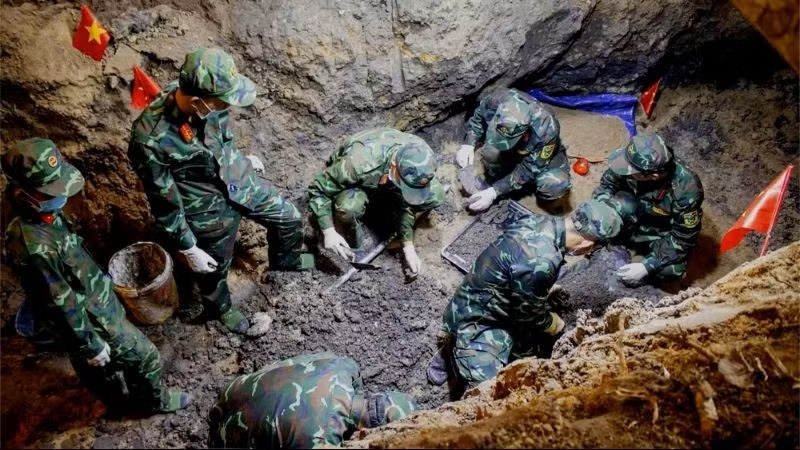
Vietnam Accelerates Search for Unidentified Martyrs' Remains, Aiming for 2026 Target
Vietnam is intensifying efforts to locate and identify the remains of fallen soldiers, with a specific focus on Ho Chi Minh City. The government aims to recover 3,000 sets of remains by 2026 as part of a national "500-day operation" to honor war victims and foster national unity.
The Vietnamese government is further intensifying its efforts to collect and identify the remains of fallen soldiers. Deputy Prime Minister Pham Thi Thanh Tra, as the head of the National Steering Committee for the Search, Collection, and Identification of Martyrs' Remains, has signed a directive on implementing the search and collection of remains within Le Thi Rieng Park and other areas of Ho Chi Minh City. This initiative aims to achieve the ambitious goal of collecting 3,000 sets of martyrs' remains by 2026. It is positioned as part of a national "500-day operation" to honor soldiers who sacrificed their lives in past wars and to foster national unity. The "500-day operation" has already yielded significant results, with over 1,300 sets of remains collected and identified. Notably, regional efforts are also active, with the 7th Military Region collecting more than 2,100 sets of remains of soldiers who perished in Cambodia. Under Vietnam's one-party system, honoring war victims and collecting remains are key policy priorities, serving as symbols of national prestige and unity. These activities demonstrate Vietnam's resolve to overcome past hardships and pursue national development, playing a crucial role in cultivating patriotism among the populace. As the nation continues its economic growth, healing the wounds of past conflicts and fostering solidarity among citizens is also seen as contributing to social stability.
多角的分析
戦没者遺骨収集・特定作業は、直接的な経済効果は限定的であるものの、国家の威信を高め、国民統合を促進することで、社会の安定に寄与する。これは、経済成長の基盤となる政治的・社会的な安定に間接的に貢献すると考えられる。特に、ホーチミン市のような経済の中心地での大規模な作業は、地域社会における過去の戦争の記憶を呼び覚まし、世代間の共感を促す可能性がある。これは、国内消費や社会的な結束強化に繋がる潜在力を持つ。
投資家にとって、このニュースは直接的な投資機会を提供するものではない。しかし、ベトナム政府が社会統合や国民感情に配慮した政策を継続的に実施していることを示す指標となる。これは、長期的な視点で見れば、政治的・社会的な安定に繋がり、投資環境の安定化に寄与する可能性がある。特に、インフラ開発や社会インフラ関連への投資を検討する際には、こうした国家的プロジェクトへの注力を考慮に入れるべきだろう。
ホーチミン市内のレ・ティ・リエン公園などでの遺骨収集作業は、戦争の記憶が色濃く残る地域において、遺族や地域住民の感情に深く訴えかける。長年、行方不明となっていた家族の遺骨が発見されることは、個々の家庭にとって大きな慰めとなり、社会全体としての戦争の記憶の継承にも繋がる。一方で、作業の進捗や遺骨の特定プロセスに対する透明性や、地域住民への丁寧な説明が求められる場合もある。
ホーチミン市などの都市部で実施される遺骨収集作業は、多くの市民にとって、過去の戦争の犠牲者への敬意を表す機会となる。特に、直接戦争を経験していない若い世代にとっても、国家の歴史や先人たちの犠牲について学ぶ貴重な機会となる。遺骨が収容されることで、家族や地域社会における戦争の記憶が再確認され、共有されることで、国民としての連帯感が強まることが期待される。
背景・歴史的文脈
ベトナムにおける戦没者遺骨の収集・特定・識別作業は、長年にわたる戦争の遺産であり、国家的な重要課題として位置づけられている。特にベトナム戦争(アメリカ戦争)では、多くの兵士が戦死し、その遺骨の多くが未収容のままとなっている。ベトナム共産党は、これらの犠牲者への追悼と敬意を表すことを通じて、国民統合と愛国心の醸成を図ってきた。1975年のベトナム統一以降、政府は遺骨収集を継続的に推進しており、近年では「500日間作戦」のような集中的な取り組みも行われている。これは、戦争の記憶を国民全体で共有し、国家のアイデンティティを強化する一環である。
原文ソース
Nhan Dan