Indonesian Information Commission Approves 7 New Members for 2026-2030 Term
Politics
2026年6月30日
3
Sindonews
Relations
🇮🇩Indonesia🇱🇦Laos

Indonesian Information Commission Approves 7 New Members for 2026-2030 Term

AI サマリー

Indonesia's House of Representatives (DPR) has approved seven new members for the Central Information Commission (KIP) for the 2026-2030 term. This decision marks a significant step towards ensuring transparency in information disclosure.

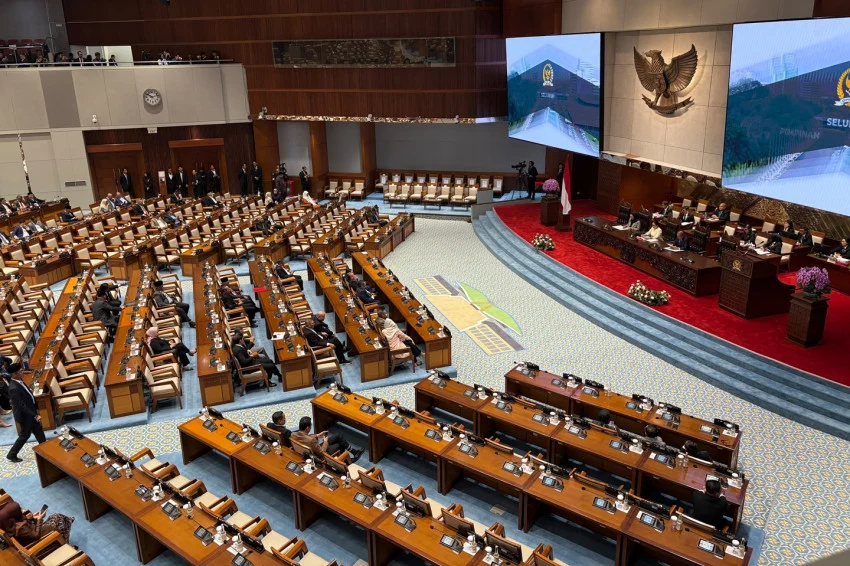
Indonesia's House of Representatives (DPR) has approved the appointment of seven new members for the Central Information Commission (KIP) for the 2026-2030 term during a plenary session (Rapat Paripurna). This approval is a crucial process in ensuring transparency in information disclosure and guaranteeing the public's right to know in Indonesia. The Central Information Commission serves as a supervisory and mediating body to facilitate public access to information held by government agencies and public institutions. The selection of members is expected to undergo careful scrutiny to guarantee the commission's independence and professionalism. With this approval, the KIP will commence its activities under a new structure, responsible for resolving disputes related to information disclosure and monitoring the implementation of the Information Disclosure Law. Guaranteeing the public's right to know is essential for strengthening the legitimacy and accountability of governance in a democratic state, and the KIP's activities will continue to be closely watched.

多角的分析

経済的影響

中央情報委員会の活動は、直接的な経済的影響よりも、情報公開の促進を通じた間接的な経済効果に繋がる。透明性の向上は、投資環境の改善や汚職の抑制に寄与し、結果として経済活動の活性化を促す可能性がある。特に、公共事業や許認可に関する情報へのアクセスが容易になれば、ビジネス機会の創出や不当な競争の排除に繋がるだろう。

投資家心理

投資家にとって、中央情報委員会の機能強化は、事業運営におけるリスク低減に繋がる。公的機関の意思決定プロセスや、規制に関する情報へのアクセスが向上すれば、投資判断の精度が高まり、予期せぬ法的・行政的リスクに直面する可能性が減少する。これは、特に新規参入や大規模投資を検討する際に重要となる。

社会的影響

中央情報委員会による委員の承認は、国民の知る権利の保障という社会的な側面で重要である。これにより、政府の活動に対する国民の監視が強化され、説明責任の遂行が促される。特に、地方自治体レベルでの情報公開の遅延や不透明さが問題視される場合、中央委員会の存在は、国民が不利益を被ることを防ぐためのセーフティネットとなり得る。

市民の声

新委員の選任は、ジャカルタのような大都市だけでなく、地方都市の住民にとっても重要である。例えば、地方自治体の開発計画や予算執行に関する情報が迅速かつ正確に公開されることは、住民が地域の課題に関心を持ち、行政に意見を反映させる機会を増やす。これにより、住民は自身の生活に直接関わる決定プロセスへの参加意識を高めることができる。

背景・歴史的文脈

インドネシアにおける情報公開の権利は、1998年のスハルト政権崩壊後の民主化プロセスの中で強化されてきた。2008年に制定された情報公開法(UU Keterbukaan Informasi Publik)は、国民が公的機関の情報にアクセスする権利を保障するものであり、中央情報委員会(KIP)はその施行を監督する機関として設立された。KIPは、情報公開に関する紛争調停や、情報公開法の遵守状況の監視を担う。委員の選任は、独立性と専門性を確保するため、下院の承認を経るプロセスが取られており、その都度、委員の質と委員会の独立性に対する関心が寄せられている。

原文ソース

Sindonews

原文を読む