Cambodia to Develop 11 Logistics Hubs Nationwide Under 2023-2033 Master Plan
Cambodia plans to develop 11 major logistics hubs nationwide under its 2023-2033 Master Plan, aiming to strengthen the national transport and logistics system and boost economic growth.
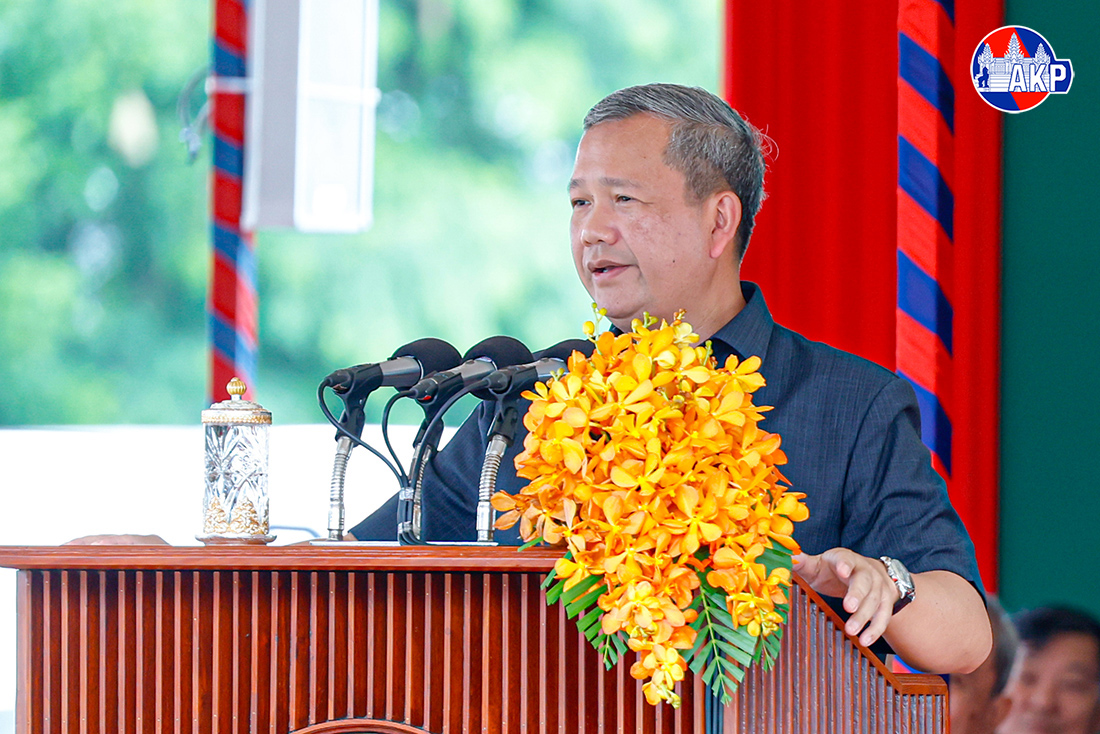
AKP Phnom Penh, July 07, 2026 -- Prime Minister Samdech Moha Borvor Thipadei Hun Manet has reaffirmed the Royal Government's commitment to strengthening Cambodia's transport and logistics system through comprehensive policies and legal frameworks that support national development and meet growing economic demands. Speaking at the official inauguration of the upgraded section of National Road No. 7 held in Kampong Cham province on Tuesday, the Prime Minister said that under the Comprehensive Master Plan on Cambodia Intermodal Transport and Logistics System 2023-2033, the government plans to develop 11 major logistics hubs across the country. The planned facilities include the Phnom Penh Logistics Centre, Preah Sihanouk Logistics Centre, Bavet Logistics Park, Poipet Logistics Park, and logistics centres in Siem Reap, Kampot, Kampong Cham, Battambang, Pursat, Banteay Meanchey, and Kampong Thom. Samdech Thipadei also called for stronger public-private partnerships to accelerate the development of key transport infrastructure, including roads, railways, waterways, ports, and airports. He highlighted several priority projects, including the modernisation of the existing Phnom Penh-Sihanoukville railway, construction of the new Poipet-Siem Reap-Phnom Penh railway, additional expressways, the Funan Techo Canal linking the Mekong/Tonle Sap river system to the sea, the development of Techo International Airport, and a master plan to transform Cambodia's seaports into regional logistics hubs. The Prime Minister further instructed relevant authorities to establish a unified policy and standard on truck weight limits to facilitate the transport of agricultural products while safeguarding road infrastructure. He stressed that laws are intended not to burden the public but to achieve a win-win balance between facilitating business and protecting national assets. Under the new regulations, the maximum permitted cargo weight has been increased from 40 tonnes to 50 tonnes to support more efficient freight transport. Samdech Thipadei also directed the Ministry of Public Works and Transport to improve the efficiency and transparency of weigh stations and strictly enforce regulations against overloaded vehicles to ensure fair competition and preserve road quality. By C. Nika
多角的分析
物流ハブの整備は、カンボジアのサプライチェーン効率を大幅に向上させ、貿易コストを削減する可能性を秘めている。特に、中国の「一帯一路」構想との連携や、ASEAN域内での物流ネットワーク強化という文脈で、その戦略的意義は大きい。これにより、製造業や農業分野における競争力が高まり、外国直接投資(FDI)の誘致にも繋がることが期待される。しかし、インフラ開発には巨額の資金が必要であり、その調達方法や、開発されたハブの運営・維持管理における持続可能性が課題となる。また、国内の道路網や鉄道網との連携が不十分な場合、物流ハブの効果が限定的になるリスクも存在する。
物流ハブの整備計画は、カンボジアへの投資環境改善の兆しとして、投資家にとって魅力的な要素となりうる。特に、港湾機能の強化や内陸部へのアクセス改善は、製造業、小売業、そして輸出入関連ビジネスにとって、事業展開のコスト削減と効率化に直結する。中国からの投資が活発なカンボジアにおいて、これらの物流インフラ整備は、中国企業だけでなく、ASEAN域内、さらには日本を含むアジア諸国からの投資を呼び込む起爆剤となる可能性がある。ただし、計画の実行段階における透明性、法規制の遵守、そしてインフラ開発に伴う環境への影響などが、投資判断の重要な要素となるだろう。
物流ハブの整備は、長期的に雇用機会の創出や地方経済の活性化に貢献する可能性がある。特に、プノンペンやシアヌークビルといった主要都市周辺だけでなく、地方都市にも物流拠点が計画されている点は、地域格差の是正に繋がるかもしれない。しかし、インフラ開発に伴う土地収用や環境への影響、そして増加するトラック輸送による交通渋滞や大気汚染といった問題も懸念される。また、重量制限の緩和は、輸送効率向上に寄与する一方で、道路インフラの老朽化を早める可能性も指摘されており、適切な管理と維持が求められる。市民生活への直接的な影響としては、物流コストの低下による物価への影響も考えられるが、その恩恵がどのように地域社会に還元されるかが重要となる。
物流ハブの整備は、カンボジア市民の生活に多方面で影響を与える。まず、輸送コストの低下は、食料品や日用品の価格安定に繋がり、家計の負担軽減に貢献する可能性がある。また、物流関連産業の発展は、特に若年層にとって新たな雇用機会を生み出すことが期待される。しかし、インフラ開発に伴う環境問題、例えば騒音や大気汚染、あるいは交通渋滞の悪化は、都市部を中心に市民生活の質を低下させる懸念もある。さらに、重量制限の緩和が道路の早期損傷に繋がった場合、その修繕費用が税金として市民に負担される可能性も否定できない。地方に物流ハブが整備されることで、地方経済の活性化と雇用創出が期待される一方で、都市部への人口集中がさらに進む可能性も考えられる。
背景・歴史的文脈
カンボジアは、地理的に内陸国と沿岸国の中間に位置し、ASEAN地域における物流の結節点としての潜在力を持つ。近年、中国の「一帯一路」構想の下で、インフラ投資が加速しており、港湾や道路網の整備が進められてきた。特に、シアヌークビル港の拡張や、プノンペン・シアヌークビル高速道路の開通は、物流能力の向上に大きく寄与した。今回の物流ハブ計画は、こうした既存のインフラ整備の流れを汲み、国内物流網をさらに強化し、国際的な物流ハブとしての地位を確立することを目指すものだ。過去のインフラ開発では、資金調達や環境への影響、透明性などが課題となるケースもあったため、今回の計画ではこれらの点への配慮が求められる。
原文ソース
AKP Cambodia