General articles are free for 24 hours after publish.
Vietnam Aims to Elevate Agricultural Value Chains with AI and New Technologies
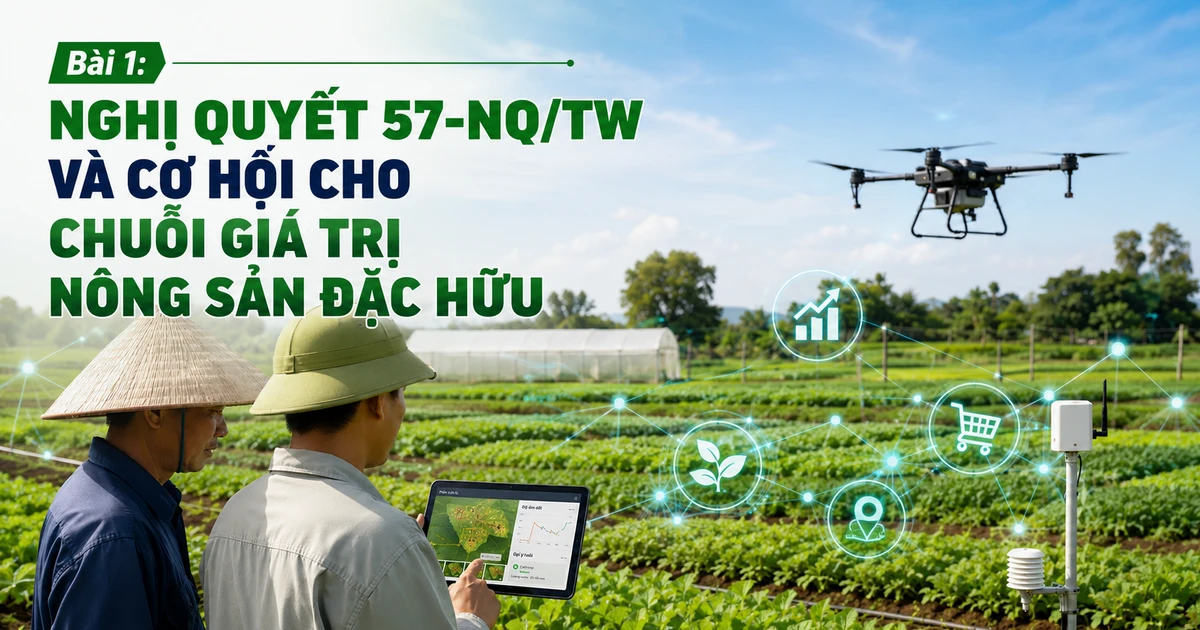
Vietnam is accelerating the adoption of AI and advanced technologies to enhance the value of its endemic agricultural products and medicinal plants. Based on Resolution 57-NQ/TW, the country aims to upgrade its entire value chain, from production to processing and quality control, through the application of science and technology. This initiative seeks to increase farmers' incomes and achieve sustainable agriculture.
Vietnam is promoting the application of science and technology to enhance the international competitiveness of its abundant medicinal plant resources and endemic agricultural products. Following a year and a half since the implementation of Resolution 57-NQ/TW, during a national conference to review its progress, President and General Secretary of the Communist Party Tô Lâm emphasized that science and technology are fundamental to agricultural production. The General Secretary indicated a shift in focus from merely completing tasks to "creating value," prioritizing the generation of tangible products that can be verified by data and lead to practical applications. In line with this direction, the Ministry of Agriculture and Rural Development has identified strategic scientific and technological development priorities, including the development of new plant and animal varieties using genetic engineering and biotechnology, the creation of next-generation veterinary vaccines and agricultural biological products, and the establishment and operation of an agricultural product traceability system. Particularly, the application of medicinal plants and endemic agricultural products into items catering to nutritional, beauty, and health enhancement needs holds significant potential. Vietnam boasts over 5,000 species of medicinal plants, many of which are linked to regional climates and indigenous knowledge. The global "food as medicine" trend is increasingly boosting the growth of the "superfood" market in Vietnam, with an expected growth rate exceeding 9% annually in the coming years. To capitalize on these opportunities, securing raw materials with stable quality and safety is crucial. Establishing organized production systems, adhering to cultivation standards, adopting advanced processing technologies, and integrating scientific advancements are key to elevating endemic agricultural products to high-value markets. AI technology is beginning to be utilized for early disease detection, crop growth monitoring, post-harvest quality assessment, sorting, and shelf-life prediction. For instance, an AI-powered image analysis system has been developed to evaluate the quality of mangoes and dragon fruits with over 90% accuracy. Furthermore, AI is being introduced into livestock and food processing sectors to contribute to early risk detection, raw material management, and production process monitoring. FPT Group, in collaboration with a major Thai agricultural and food corporation, is implementing AI-driven solutions in Vietnam's production chains, including veterinary disease consultation, farm surveillance cameras, and raw material quality inspection. The adoption of AI will not only help farmers detect risks early and better manage food quality and origin but also optimize raw materials, energy, and production costs. It is also expected to improve access to data-driven digital consulting tools and farm management models, thereby fostering the formation of modern, transparent, and sustainable value chains, and ultimately enhancing the competitiveness of Vietnam's agriculture. However, challenges extend beyond technology. Data scarcity and fragmentation are identified as major bottlenecks in the digital transformation of agriculture. Specialized data often lacks standardization, interoperability, and regular updates. Source: Nhan Dan
Original source
Nhan Dan