PSE Clears Regulatory Hurdles for Short Selling with New Rules
Economy
2026年7月2日
6
Philstar Business
Relations
🇵🇭Philippines🇹🇭Thailand🇸🇬Singapore

PSE Clears Regulatory Hurdles for Short Selling with New Rules

AI サマリー

The Philippine Stock Exchange Inc. (PSE) is preparing to remove regulatory hurdles for short selling by submitting its proposed amended rules on securities borrowing and lending (SBL) to the Securities and Exchange Commission (SEC). This initiative is expected to broaden investment strategies within the Philippine stock market.

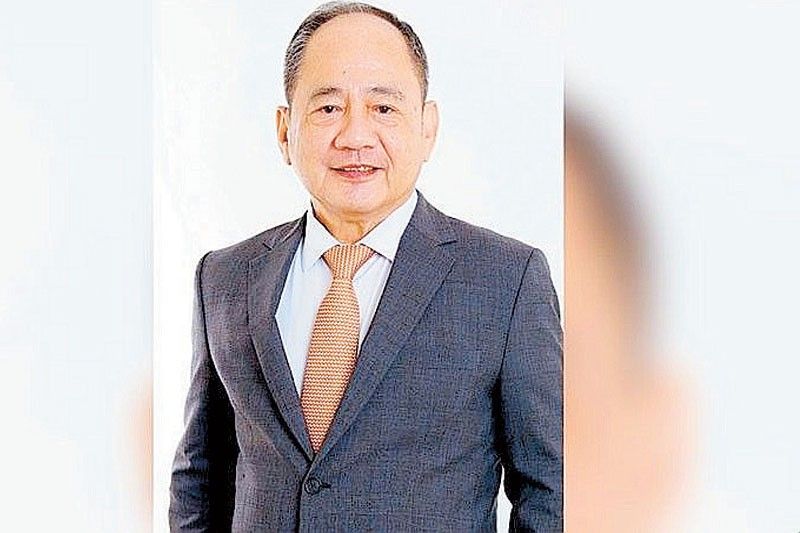
The Philippine Stock Exchange Inc. (PSE) is preparing to remove regulatory hurdles for short selling by submitting its proposed amended rules on securities borrowing and lending (SBL) to the Securities and Exchange Commission (SEC). PSE President and CEO Ramon Monzon stated that this regulatory adjustment should address all hurdles to short selling, a long-overdue investment strategy. The PSE met with the SEC on May 6 to discuss the proposed amendments to the SBL rules. The SEC provided comments, notably requesting the inclusion of responsibilities for onshore custodians in the proposed SBL rules, citing their significant role in the proposed framework for directed pooled lending. The commission also asked the exchange to provide benchmarking on how brokers and dealers typically function as SBL facilitators rather than lending agents. Furthermore, the SEC inquired about the progress of the proposed annex or supplement to the standard Global Master Securities Lending Agreement (GMSLA). Under the PSE's proposed directed pooled lending framework, onshore custodians, along with trading participants, will act as agent-facilitators to expedite negotiated SBL transactions. They will enter SBL details into the onshore lending agent's system and liaise between their clients and the onshore lending agent. Onshore custodians and trading participants serving as agent-facilitators will be responsible for executing a service agreement or securities lending authorization agreement (SLAA) with their clients and an SLAA with the onshore lending agent before the first SBL transaction. They will also facilitate the transfer of borrowed or returned securities and relay default or termination notices from their clients to the onshore lending agent. The PSE has a working draft of the GMSLA supplement but awaits approval of the revised SBL rules to incorporate provisions related to the proposed directed pooled lending framework. Subsequently, the draft supplement will be forwarded to the International Securities Lending Association and/or the Securities Finance Association Asia Pacific (formerly PASLA) for comments, as they are the intended users. The PSE aims to complete this process as soon as possible. This initiative aims to incorporate a framework for executing offshore SBL transactions involving PSE-listed securities, aligning with global SBL processes and mechanisms, and encouraging foreign participation in its SBL program. Meanwhile, the PSE has released for public comment a proposal to allow negotiated trades, addressing an operational gap in executing pre-arranged transactions. Currently, the PSE has a block sale facility for large pre-arranged transactions meeting minimum value and price criteria. However, trades not meeting block sale requirements and failing to satisfy price constraints for cross transactions have no execution facility. The proposal seeks to allow negotiated trades as a variant of the block sale framework to accommodate pre-arranged transactions falling outside existing execution frameworks. This is expected to enhance transparency and price discovery by enabling trading participants and investors to execute and report smaller, pre-arranged transactions on mutually agreed commercial terms. Under the proposed amendments, negotiated trades would be governed by parameters such as no volume and value restriction, an execution window of 15 minutes after run-off/trading-at-last, an execution price within +/- five percent from the full day volume-weighted average price (VWAP), and only one-firm trades will be allowed.

多角的分析

経済的影響

空売り制度の導入は、市場の流動性を高め、価格発見機能を向上させる効果が期待される。これにより、投資家は価格下落局面でも利益を得る機会を得られるため、市場全体の活性化につながる可能性がある。また、海外投資家の参入を促し、資本流入を増加させることで、フィリピン経済全体の成長を後押しする要因となりうる。しかし、短期的な市場のボラティリティ(変動性)が増加するリスクも考慮する必要がある。

投資家心理

空売り制度の導入は、投資家、特に機関投資家にとって、ヘッジ戦略の選択肢を広げる重要な機会となる。これにより、ポートフォリオのリスク管理能力が向上し、より多様な市場環境下での収益機会を追求できるようになる。また、価格下落局面での空売りによる利益機会は、市場の効率性を高め、長期的な投資判断に資すると考えられる。ただし、空売りに伴うリスク管理の重要性が増すため、投資家は慎重な戦略立案が求められる。

社会的影響

空売り制度の導入は、一般投資家にとっては、市場の変動性が増すことへの懸念を生む可能性がある。特に、市場が下落局面に入った際に、空売りがその下落を加速させるという認識が広まれば、市場への信頼が揺らぐことも考えられる。一方で、制度の透明性が確保され、公平な市場環境が整備されれば、より多くの投資家が市場に参加するきっかけとなる可能性もある。証券取引所は、制度導入に伴う一般投資家への啓発活動を強化する必要がある。

市民の声

空売り制度の導入は、直接的な市民生活への影響は限定的かもしれないが、株式市場の活性化は、年金基金や投資信託などを通じて、多くの市民の資産形成に間接的に影響を与える可能性がある。市場がより活発になり、投資リターンが向上すれば、市民の将来的な経済的安定に寄り添うことになる。しかし、市場のボラティリティ上昇は、一部の市民にとっては資産価値の変動リスクを高める可能性も示唆している。

背景・歴史的文脈

フィリピン株式市場における空売り制度の導入は、長年の課題であった。2010年代初頭から、市場参加者や規制当局の間で議論が重ねられてきたが、市場の安定性への懸念や、制度設計の複雑さから実現には至らなかった。特に、アジア太平洋地域では、シンガポールやタイなどが既に空売り制度を導入しており、フィリピン市場の国際競争力強化の観点からも、その導入が求められていた。今回のPSEによるSECへの規則案提出は、こうした背景を踏まえ、市場の流動性向上と海外投資家誘致を目指す動きの一環である。

原文ソース

Philstar Business

原文を読む