Ho Chi Minh City Allows Free Health Check-ups at All Medical Facilities for Residents
Society
2026年7月4日
5
VnExpress

Ho Chi Minh City Allows Free Health Check-ups at All Medical Facilities for Residents

AI サマリー

Ho Chi Minh City will allow residents to receive free health check-ups at any convenient medical facility, regardless of their registered residence, to accelerate its goal of universal health coverage by 2026. This initiative aims to improve healthcare access and address localized overcrowding.

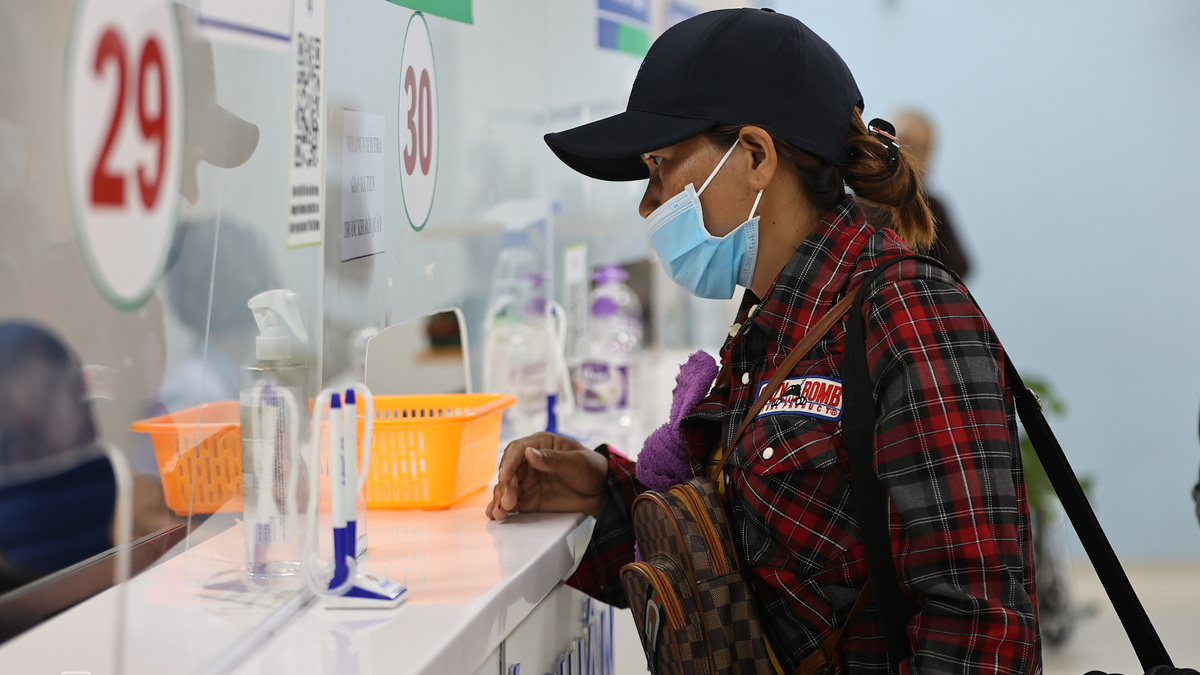
Ho Chi Minh City is set to allow residents to receive free health check-ups at any medical facility convenient to them, regardless of their registered residence, a significant move aimed at accelerating the city's goal of achieving universal health coverage by 2026. According to Tang Chi Thuong, Director of the Ho Chi Minh City Department of Health, this is one of the key new features of the universal health check-up program the city is rapidly implementing. The plan is for all residents of Ho Chi Minh City to undergo periodic health examinations, possess electronic health records, and receive continuous health monitoring by the end of 2026. The focus is shifting from treating illnesses after they occur to early detection of risks, management of chronic diseases, and enhanced preventive care from the community. A notable aspect is that residents are no longer restricted by administrative boundaries when participating in the program. A person living in one ward but working or studying in another area can choose a qualified medical facility near their residence, workplace, or school for their check-up, instead of having to return to their registered locality. "This mechanism helps residents access services more conveniently while also reducing localized overcrowding at some medical facilities," Thuong stated. Beyond expanding the locations for check-ups, the city is also changing its approach to healthcare. Hospitals are envisioned not just as places for treatment but also as sites for regular health examinations for residents. This means that every time a resident visits a hospital – whether for vaccinations, prenatal care, chronic disease follow-ups, or specialist consultations – it can become an opportunity for a general health check-up if one has not been done within the year. The objective, according to Thuong, is to shift from the mindset of "waiting for people to proactively seek care" to "not missing any opportunity to care for their health." At the grassroots level, health stations will play a pivotal role. The city requires 100% of ward and commune health stations to deploy health care teams rooted in their residential areas, responsible for specific neighborhoods, resident groups, and households. These teams will directly engage with residents, encourage participation in health check-ups, update electronic records, and monitor high-risk groups such as the elderly, patients with hypertension and diabetes, or those with mobility issues. For special cases, healthcare workers may even visit homes to provide examination support. Concurrently, Ho Chi Minh City is mobilizing the entire public and private healthcare system, including hospitals, clinics, and mobile examination teams in residential areas, industrial parks, schools, and social welfare facilities. Another crucial component of the program is the creation of electronic health records for each resident. Health data will be continuously updated after each examination, allowing doctors to track a patient's condition over time, rather than relying solely on individual consultations. Since July 1, residents of Ho Chi Minh City can access their electronic health records on the "Công dân số" (Digital Citizen) application, tracking their health indicators and medical history right on their phones. The Department of Health believes that data digitization not only helps residents manage their health better but also creates a foundation for the healthcare sector to predict disease risks, allocate resources, and formulate policies based on real-world data. Health sector leaders assess the universal health check-up program not merely as a short-term campaign but as a significant shift for the city's healthcare system from treatment to proactive health management, and from fragmented management to lifelong health monitoring. If implemented on schedule, every resident of Ho Chi Minh City will have a "personal health record" that is continuously managed and cared for directly within their community, rather than only accessing the healthcare system when they fall ill.

多角的分析

経済的影響

この政策は、予防医療へのシフトを促し、疾病の早期発見・管理を通じて、長期的に医療費の抑制に繋がる可能性がある。また、医療機関へのアクセス向上は、労働生産性の維持・向上にも寄与すると考えられる。電子健康記録の整備は、医療データの活用による政策立案やリソース配分最適化の基盤となり、医療産業全体の効率化を促進するだろう。ただし、初期投資やシステム維持費、医療従事者の研修コストなどが課題となる可能性もある。

投資家心理

医療アクセスの向上と疾病管理の強化は、ベトナムのヘルスケア市場への投資機会を拡大させる。特に、電子健康記録システム、遠隔医療、予防医療サービスを提供する企業にとっては追い風となる。また、国民の健康増進は、消費能力の向上にも繋がり、関連産業への間接的な投資効果も期待できる。ただし、公的医療制度の拡充は、民間医療機関の収益構造に影響を与える可能性も考慮する必要がある。

社会的影響

ホーチミン市は、住民が居住地に関わらず、より身近な場所で無料健康診断を受けられるようにすることで、医療格差の是正と健康増進を目指している。これにより、特に医療機関へのアクセスが困難だった地域住民や、多忙な現役世代が健康診断を受けやすくなる。電子健康記録の整備は、個人の健康管理意識を高め、病気の早期発見・治療に繋がる。一方で、医療従事者の負担増加や、プライバシー保護に関する懸念も生じる可能性がある。

市民の声

ホーチミン市民は、これまで居住地によって受診できる医療機関が限られていたが、今後は自宅や職場の近くで気軽に無料健康診断を受けられるようになる。これは、忙しい日々を送る人々にとって、健康管理のハードルを下げる大きなメリットとなる。電子健康記録アプリで自身の健康状態をいつでも確認できることも、安心感に繋がるだろう。しかし、急増する受診者に対応できる医療体制の維持や、個人情報の安全な管理が、市民の懸念事項となる可能性もある。

背景・歴史的文脈

ベトナムは、社会主義共和国として一党体制を維持しつつ、経済成長を最優先課題としてきた。特に1986年のドイモイ(刷新)政策以降、市場経済を導入し、目覚ましい経済発展を遂げている。しかし、その一方で、社会インフラ、特に医療・教育分野の格差是正は依然として大きな課題である。国民皆保険制度の推進は、経済成長の恩恵を国民全体に行き渡らせ、社会の安定を図るための重要な政策の一環と位置づけられている。ホーチミン市のような大都市での先行的な取り組みは、全国展開に向けたモデルケースとして注目されている。

原文ソース

VnExpress

原文を読む