General articles are free for 24 hours after publish.
Cambodia Drafts National Mango Policy to Boost Processing and Farmer Incomes
Cambodia is drafting a national mango policy to strengthen the entire value chain, boost farmer incomes, and expand access to high-value export markets. This initiative follows last year's export of over 200,000 metric tonnes of fresh mangoes, aiming to develop the agriculture sector through processing and branding.
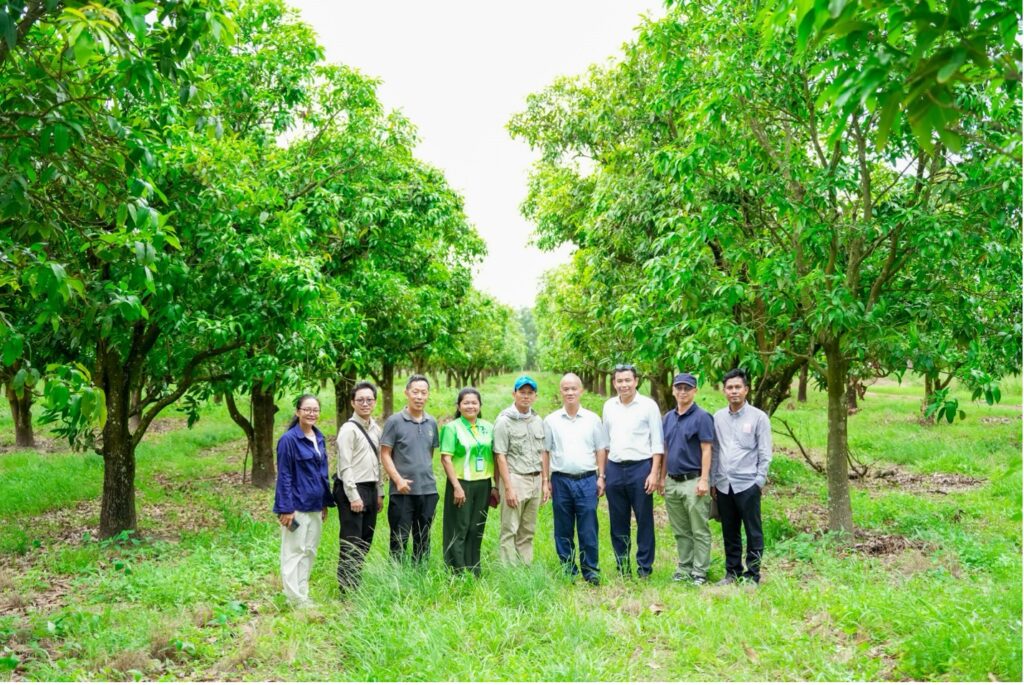
PHNOM PENH, July 29, 2026 (KPT) – Cambodia is drafting a national mango policy aimed at strengthening processing, raising farmer incomes and expanding access to higher‑value export markets, officials said Tuesday, as the country seeks to capture more value from its fast‑growing mango industry. The move comes after Cambodia exported more than 200,000 metric tonnes of fresh mangoes worth $108 million last year, underscoring the crop’s rising importance to the agriculture sector. Var Roth San, Secretary of State at the Ministry of Commerce, said the ministries of commerce, agriculture and industry are jointly developing the policy to cover the entire mango value chain. “The policy will help address key challenges faced by farmers, including fertilizer standards, fair pricing practices, mango varieties that meet market demand, and branding and marketing,” he said at a workshop in Siem Reap on July 28. The event, held under the Food and Agriculture Organization’s One Country One Priority Product initiative, brought together officials, farmers, processors, exporters and researchers to discuss ways to reduce post‑harvest losses, improve traceability and expand access to premium markets. Cambodia selected mango as its priority product under the programme, with particular focus on the Keo Romeat variety, prized for its orange flesh and balanced sweet flavor. Demand has grown in China, while off‑season production could help ensure year‑round supply. Deputy Agronomy Director Chou Cheythyrith said mango has strong potential to boost incomes and attract investment. The initiative is receiving technical support through the FAO‑China South‑South Cooperation Programme, with Chinese experts assessing challenges and opportunities. The policy reflects Cambodia’s broader strategy to diversify agricultural exports and strengthen rural economies by moving beyond raw fruit exports into processing and branding.
Original source
Kampuchea Thmey English