General articles are free for 24 hours after publish.
Sri Lanka's Luxury Property Boom Outruns Regulations
Sri Lanka is experiencing a luxury property boom, particularly in Colombo, but its regulatory and oversight mechanisms are lagging behind the market's rapid expansion. This situation poses potential macroeconomic risks, as history has shown.
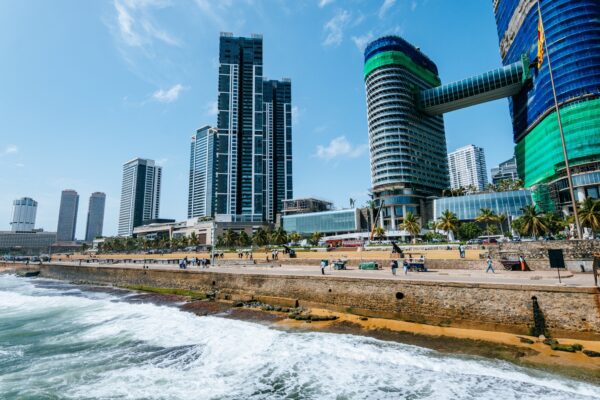
Colombo, Sri Lanka – The luxury property market in Sri Lanka, particularly in the capital city of Colombo, is experiencing a significant boom. Projects in Colombo Port City, a reclaimed land area with Chinese involvement, are attracting substantial investment, estimated at $650 million, by promising high returns to buyers, with some advertisements guaranteeing an investment doubling within four years. This surge is driven by speculative price appreciation rather than genuine housing needs. The demand for luxury condominiums extends beyond Port City to other areas of Colombo. According to the Central Bank's condominium market survey, over 20 percent of condominium purchases are for investment purposes. High-end units, valued at over 50 million rupees ($150,000), now account for 52 percent of sales, a sharp increase from 33 percent a year ago. However, the regulatory and oversight framework in Sri Lanka is struggling to keep pace with the rapid expansion of the real estate market. The Condominium Management Authority (CMA), the body nominally responsible for overseeing luxury apartments, was originally established under a 1973 law to manage common amenities in buildings. While its mandate was broadened in 2003, it lacks the capacity to function as a financial regulator for a fast-moving, pre-sales market worth hundreds of millions of dollars. Unlike jurisdictions like Dubai, which mandates escrow accounts under regulatory supervision to protect buyers' payments and ensure construction progress, Sri Lankan law does not require such measures. Buyers' funds are often channeled directly into developers' general finances, creating a significant risk of loss if a project stalls or a developer collapses. This mirrors the situation in China, where developers like Evergrande allegedly used home buyers' money for debt repayment, leading to unfinished apartments and broader economic fallout. The absence of mandatory escrow accounts and robust regulatory oversight poses a serious macroeconomic risk. Financial history suggests that unregulated property booms rarely end well, raising concerns about the sustainability of Sri Lanka's current real estate expansion and its potential impact on the wider economy.
Original source
The Diplomat Indonesia