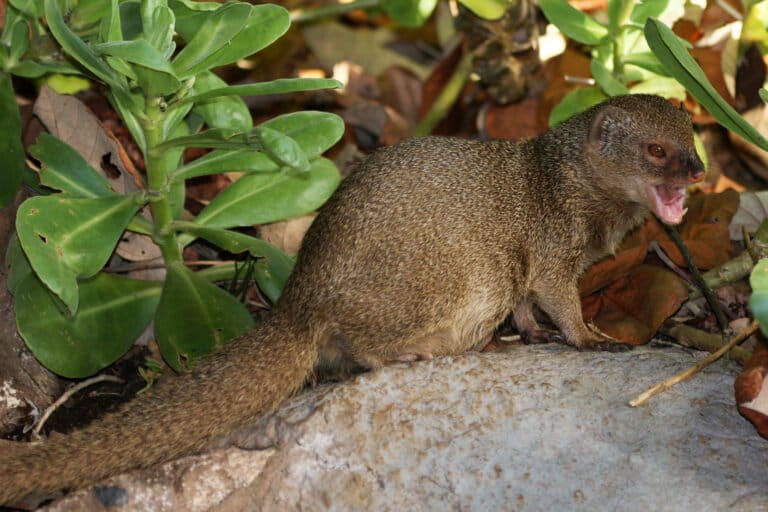
Indonesia's Miscalculation: Indian Mongoose Fails to Eradicate Cane Rat Pests
Diplomacy
2026年7月10日
3
Mongabay Indonesia
Relations
🇮🇩Indonesia🇮🇳India

Indonesia's Miscalculation: Indian Mongoose Fails to Eradicate Cane Rat Pests

AI サマリー

Introduced to Indonesian sugarcane plantations in the late 19th century for rat control, the Indian mongoose (Herpestes auropunctatus) has failed to deliver expected results and impacted the ecosystem. Contrary to its intended purpose, it did not curb rat populations and raises concerns about its effect on native species.

In the late 19th century, the Indian mongoose (Herpestes auropunctatus) was introduced to sugarcane plantations in Indonesia as a measure to control rat populations that were damaging crops. However, this alien species introduction plan failed to achieve its expected results, and some of its impacts persist to this day. At that time, sugarcane plantations on tropical islands faced significant losses due to rat infestations. As a solution, mongooses were brought in from the Calcutta region of India. W.B. Espeut, a plantation owner in Jamaica, is recorded as the first to introduce them in 1872. Hawaii and Fiji later received mongooses from Jamaica, not through new imports from Asia. Despite the introduced mongooses not originating from Indonesia's Java island, they were sometimes given the scientific name "javanicus" due to early taxonomic errors, mistakenly assuming South Asian mongooses were the same as Javanese ones. However, the simple predator-prey dynamic of mongooses hunting rats did not play out as expected in reality. The mongooses preyed not only on rats but also on native small mammals, reptiles, and birds, disrupting the overall ecological balance. Instead of effectively reducing rat populations, they led to the decline of native species, creating new ecological problems. This case illustrates that biological control through the introduction of alien species often leads to unforeseen negative consequences. The history of Indonesian sugarcane plantations demonstrates that introductions made without a sufficient understanding of the ecosystem can become a cause of long-term environmental issues.

多角的分析

経済的影響

サトウキビ農園におけるネズミ被害は、直接的に収穫量の減少と品質低下を招き、農園主の収益を圧迫する経済的損失をもたらします。ガナガン導入の試みが失敗したことで、ネズミ駆除のための追加的なコスト(農薬散布、物理的防除など)が発生し、経済的負担が増大したと考えられます。また、生態系への影響が長期化することで、農地利用の持続可能性にも疑問符がつき、地域経済全体に潜在的なリスクをもたらしています。

投資家心理

この事例は、生物的防除という手法の不確実性を示唆しており、農業分野への投資において、生態系リスクを考慮することの重要性を浮き彫りにします。特に、外来種導入のような長期的な影響が予測しにくい施策は、投資家にとってリスク要因となり得ます。持続可能な農業投資においては、環境への配慮と長期的な視点を持つ企業やプロジェクトが選好される傾向にあると考えられます。

社会的影響

ガナガン導入の失敗は、農村地域に住む人々の生活に直接的な影響を与えます。ネズミ被害が続けば、農作物の収穫が不安定になり、食料供給や収入源に影響が出ます。また、ガナガンが在来種を捕食することで、地域固有の生物多様性が失われ、住民の文化や伝統的な生活様式にも間接的な影響を与える可能性があります。生態系バランスの崩壊は、農村コミュニティの持続可能性を脅かす問題です。

市民の声

ガナガン導入の失敗は、農作物を栽培する農家にとって、ネズミ被害が継続することによる収穫量の減少や品質低下という直接的な経済的打撃となります。また、ガナガンが在来の小動物を捕食することで、以前は身近に見られた鳥や爬虫類が姿を消し、子供たちが自然に触れる機会が減るという、生活実感の変化も生じさせます。これは、自然との関わり方が変わるという、より広範な市民生活への影響と言えます。

背景・歴史的文脈

19世紀後半、植民地時代の熱帯地域では、農作物の保護と生産性向上のため、生物的防除がしばしば行われました。特にサトウキビ農園では、ネズミによる被害が深刻化し、その解決策として、ネズミを捕食する動物の導入が試みられました。インドネシアのサトウキビ農園も例外ではなく、ジャマイカ、ハワイ、フィジーといった地域で成功事例があったことから、インド産のガナガンが導入されました。しかし、当時の生態系に関する知見は限られており、導入された外来種が在来の生態系に与える影響についての十分な評価が行われませんでした。その結果、ガナガンはネズミだけでなく、在来の動植物も捕食し、生態系のバランスを崩すという、当初の目的とは異なる結果を招きました。

原文ソース

Mongabay Indonesia

原文を読む