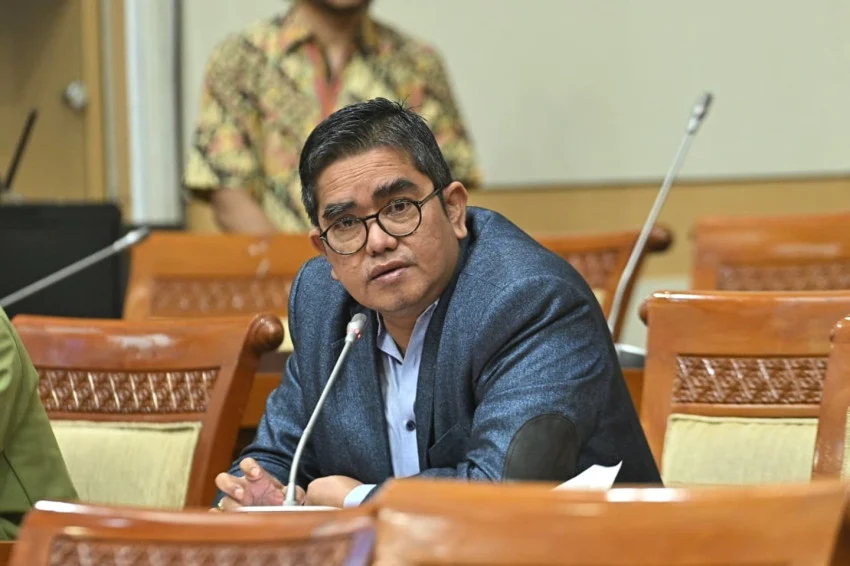
Indonesia Accelerates Asset Confiscation Bill Deliberations, PDIP Legislator Vows Swift Completion
Deliberations on the Asset Confiscation Bill (RUU Perampasan Aset) are accelerating in the Indonesian Parliament. A legislator has expressed intent to expedite the bill's completion. This legislation aims to enhance the tracking and confiscation of illicitly obtained assets, potentially aiding anti-corruption and anti-money laundering efforts.
Deliberations on the Asset Confiscation Bill (RUU Perampasan Aset) are rapidly advancing in the Indonesian Parliament. A legislator from the ruling Indonesian Democratic Party of Struggle (PDIP) stated that the bill would be "swiftly completed," indicating a strong will for its early enactment. The bill aims to track and confiscate assets obtained through criminal activities or illicit means. This is driven by the increasing need to strengthen measures against economic crimes such as corruption and money laundering in Indonesia. If enacted, the government will be empowered to pursue the recovery of illicitly accumulated wealth with more robust authority. The acceleration of the bill's deliberations is seen as reflecting public expectations for corruption eradication, an issue of significant national interest. However, legislation concerning asset confiscation also requires careful discussion regarding the balance with individual property rights, as well as the transparency and fairness of its implementation. Moving forward, the specific details of the bill and its operational methods will be closely watched for their potential impact on public life and economic activities. Source: Sindonews
多角的分析
資産没収法案の審議加速は、インドネシア経済における不正資金の流入・流出抑制と、健全な投資環境整備に向けた政府の意欲を示すものと解釈できる。法案成立により、マネーロンダリング対策が強化され、国際的な金融システムの信頼性向上に寄与する可能性がある。一方で、資産没収の範囲や手続きが不明確な場合、国内投資家や企業活動に予期せぬ影響を与えるリスクも否定できない。
この法案は、インドネシアにおけるコンプライアンス強化と透明性向上への期待から、長期的な投資環境の改善につながる可能性がある。特に、汚職がビジネスリスクとなっていた分野では、投資家の安心材料となり得る。しかし、法案の運用において、恣意的な資産没収のリスクや、手続きの不透明性が懸念される場合、短期的な投資判断には慎重さが求められるだろう。資本流出のリスクも注視する必要がある。
資産没収法案は、国民が長年懸念してきた汚職問題への対応を強化するものであり、社会的な期待は大きい。不正に得られた資産が回収され、それが公共サービスやインフラ整備に充てられるようになれば、国民生活の向上に繋がる可能性がある。しかし、法案の執行過程で、権力の濫用や、一部の富裕層のみが対象となる、あるいは逆に一般市民の財産権が不当に侵害されるといった懸念も生じうる。法の公平な適用が、社会的な受容の鍵となるだろう。
この法案は、国民が納めた税金や、不正に奪われた国民の資産が、より公正な形で社会に還元されることを期待させる。特に、汚職によって公共サービスが悪化している地域や、貧富の差が大きい現状を憂慮する市民にとっては、希望の光となりうる。しかし、資産没収の対象となる基準や手続きが明確でなければ、一般市民が不安を感じる可能性もある。例えば、合法的な取引であっても、過去の取引が不当に遡及され、資産を失うのではないかという懸念が生じかねない。
背景・歴史的文脈
インドネシアでは、長年にわたり汚職問題が深刻な課題となっており、国民の不満も高まってきた。過去の政権下でも汚職対策は行われてきたが、その実効性には疑問が呈されることも多かった。特に、不正に蓄積された資産の追跡・没収は、汚職の根絶に向けた重要な手段と認識されている。資産没収法案は、こうした背景を踏まえ、より強力な法執行能力を政府に与えることを目指している。法案の審議加速は、国民の期待に応え、汚職撲滅への決意を示すものと考えられる。
原文ソース
Sindonews