General articles are free for 24 hours after publish.
El Niño Threatens Parts of Luzon, Mindanao; DA Warns of Crop Losses
The Philippine Department of Agriculture (DA) has warned that El Niño could significantly impact crop yields and farmers in several regions, particularly parts of Luzon and Mindanao. With a potential Super El Niño forecast for late 2026, concerns are rising over the nation's food security.
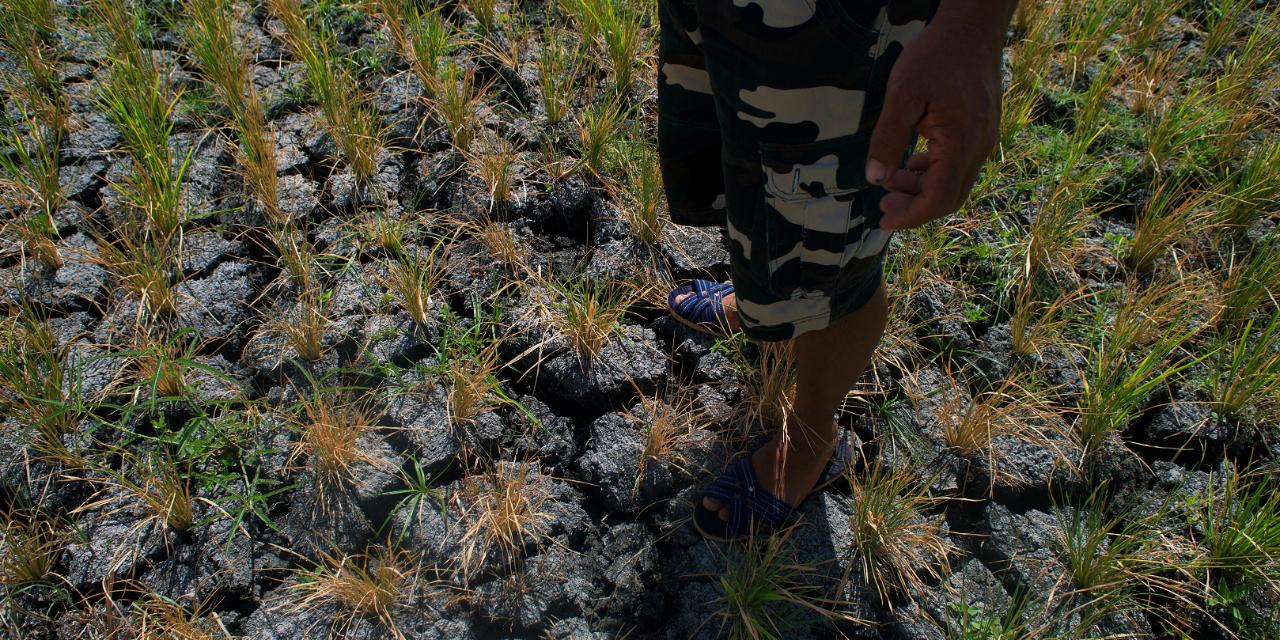
The Department of Agriculture (DA) has issued a warning regarding the potential severe impact of El Niño on several regions across the country. Prolonged dry spells are expected to reduce crop yields and adversely affect farmers, particularly in Regions I, II, and III, Western Mindoro, and parts of Mindanao. Agriculture Secretary Francisco Tiu Laurel Jr. stated during the Economic Journalists Association of the Philippines Food Security Forum that "The areas that will be hardest hit by El Niño are Regions I, II, and III, and Western Mindoro, among others. Of course, there are also areas in Central Mindanao, but more or less, the situation in other areas is manageable." The state weather bureau PAGASA has warned of a possible Super El Niño developing in the latter part of 2026. Its possible impacts include prolonged droughts across Southeast Asia and Australia, heavy rainfall and flash floods in parts of South America, and stronger tropical cyclones affecting areas such as Hawaii, Japan, China, and the Philippines. Conditions in the tropical Pacific are currently favorable for the development of an El Niño phenomenon, with a high likelihood of it persisting until early next year, according to PAGASA. Although experts emphasize that forecasts could still change, PAGASA has placed the country under an El Niño Watch and urged early preparations to mitigate possible impacts on agriculture, water supply, energy, public health, and public safety. "There are areas that we call agricultural drought – meaning the soil moisture is really gone. There's little we can do in those areas. Technically, we just have to support the farmers in whatever way possible," said Tiu Laurel. He added, "But there are also areas with more water than usual. That's where we will double down on our interventions—more seeds per hectare, more fertilizer support—so that production gains in those areas can offset deficits elsewhere." The DA earlier projected that rice production could decline by as much as 700,000 metric tons, or about 3.5% of its annual production target, if a strong El Niño develops. This poses significant risks to the country's food security and farmers' livelihoods. Among the measures being implemented by the DA are cloud seeding to boost rainfall, the deployment of solar-powered irrigation systems, adjustments to the planting calendar to align with the Northeast Monsoon (Amihan), and crop diversification programs aimed at stabilizing farmers' incomes.
Original source
GMA Money Philippines