Cambodia Discusses Challenges and Solutions for Women's Leadership and Social Participation
A semi-annual meeting was held in Cambodia's Kampong Cham province to promote women's social participation and leadership. Challenges such as low self-confidence and lack of promotion opportunities for women were raised, with calls for expanded training and study tours, and an increase in female leaders.
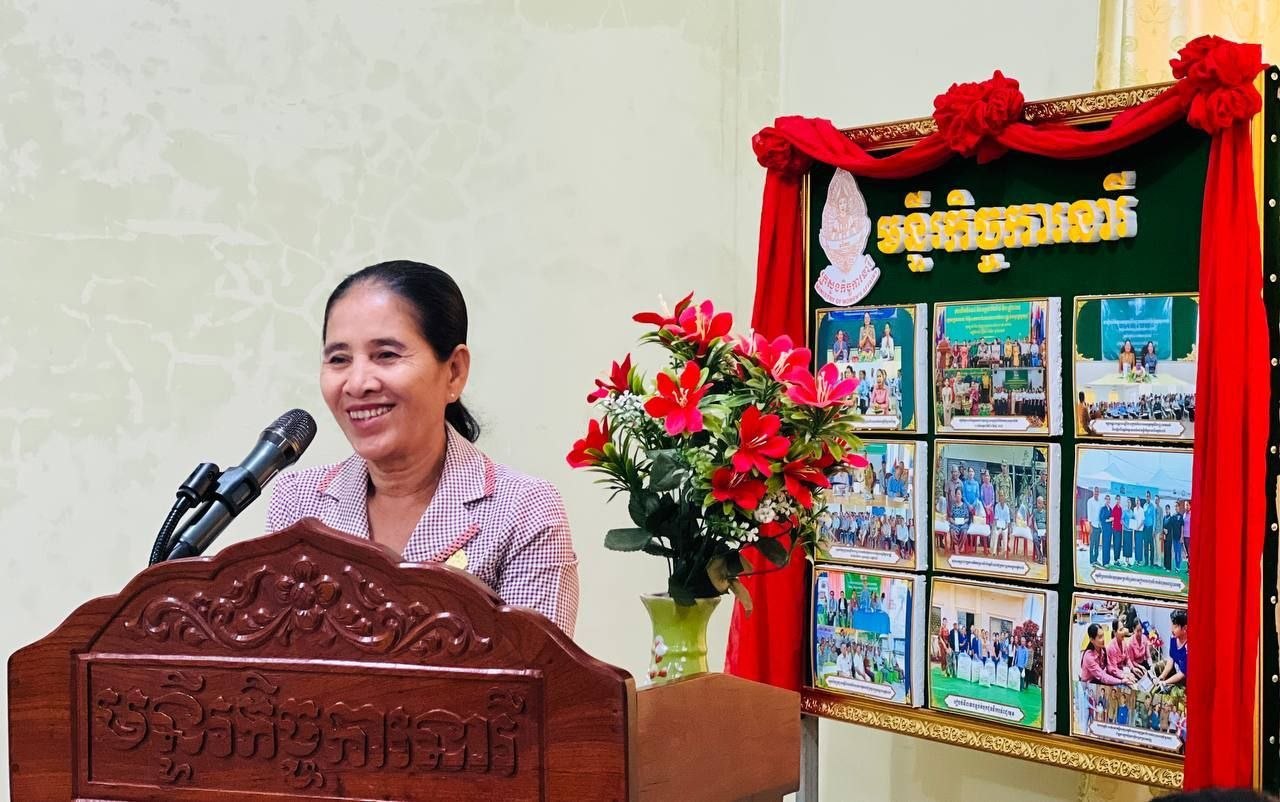
The Department of Women's Affairs in Kampong Cham province, Cambodia, held a semi-annual meeting on July 7, 2026, to review its work for the first half of 2026. The meeting took place in the provincial department's conference hall and was attended by 50 participants (46 women), including officials from the provincial Department of Women's Affairs, gender working group members from various ministries and institutions, and officials from the social welfare and well-being offices of the nine municipalities and districts. The meeting was chaired by Ms. Sin Sypan, Director of the Provincial Department of Women's Affairs, representing Ms. Lum Kunthary, Deputy Governor of Kampong Cham Province. The objective was to examine the results and composition of the gender working groups in various ministries and institutions during the first half of 2026, identify strengths and challenges, and discuss solutions. It also aimed to collect and analyze data on female leaders from the provincial level down to the municipal, district, and commune levels. Following the opening remarks, gender working groups from various ministries and the social welfare and well-being offices of the nine municipalities and districts reported on their activities over the past six months and the challenges they faced. These issues were then discussed and addressed collectively. Ms. Sin Sypan encouraged the focal points for gender to disseminate information through their respective ministry and institutional programs, urging pregnant women to attend regular prenatal check-ups as scheduled by healthcare providers to reduce maternal and infant mortality. She also encouraged women to pay attention to their health regarding breast and uterine cancer, which are prevalent, and highlighted the availability of free legal assistance for victims of domestic violence from lawyers. Furthermore, she urged guardians to encourage their daughters to pursue higher education, just as they do for their sons, and encouraged the focal points to support young women as the bamboo shoots that will succeed the older generation. Subsequently, Ms. Heu Chanry, Deputy Director of the Department, reviewed data on female leaders across provincial, municipal, district, commune, and ministry levels. The challenges and requests raised during the meeting included: 1. Some female officials lack self-confidence. 2. Some officials lack full encouragement from men. 3. There is a shortage of budget for implementing activities. 4. The number of female leaders in decision-making positions (Deputy Directors, Heads of Offices, Deputy Heads of Offices) is still low. 5. Some women have limited knowledge and skills. 6. There is a lack of courage. The requests made were: 1. To conduct training courses on leadership and gender equality/equity to further strengthen the gender working groups. 2. To organize study tours outside the province to exchange work experiences. 3. To ensure that all departments have female Deputy Directors. Ms. Sin Sypan instructed the meeting participants to inform their respective ministry directors after the meeting to review and adjust the gender mainstreaming working groups, emphasizing their significant importance. She also encouraged them to promote public support and use of Cambodian products, discourage the use of Thai products, and urge guardians to register their children for voting when they reach the eligible age. Elections for commune/sangkat councils are scheduled for 2027, and the general election for national assembly representatives for 2028.
多角的分析
会議では直接的な経済指標の言及はないが、女性の社会参加とリーダーシップ向上は、長期的に労働力人口の多様化と質の向上、ひいては経済成長に寄与する可能性がある。特に、女性が指導的立場に立つことで、より包括的な政策決定が行われ、経済的機会の均等化が進むことが期待される。予算不足の指摘は、これらの取り組みの実行における経済的制約を示唆しており、効果的な資金配分と外部からの支援が重要となる。
本件は直接的な投資機会には言及していないものの、カンボジアにおけるジェンダー平等と女性のエンパワーメントへの取り組みは、ESG(環境・社会・ガバナンス)投資の観点から注目される可能性がある。女性のリーダーシップ向上は、企業のガバナンス強化や社会的な持続可能性を示す指標となり得るため、投資家はカンボジアの関連政策の進展を注視するだろう。ただし、予算不足や一部職員のスキル不足といった課題は、政策実行の遅延リスクとなり得る。
会議で浮き彫りになった「一部の女性職員が自己肯定感が低い」「男性からの十分な支援が得られない」「勇気が不足している」といった課題は、カンボジア社会における根強いジェンダー規範や、職場での潜在的なハラスメント・差別を示唆している。また、「女性指導者の割合が低い」という点は、意思決定プロセスにおける女性の声の反映不足につながり、社会全体の多様なニーズへの対応を妨げる可能性がある。家庭内暴力への無料法律支援は、社会的な弱者保護の重要な一歩である。
カンボジア市民、特に女性市民にとっては、自身の能力が正当に評価され、昇進やリーダーシップの機会が得られるかどうかが生活に直結する。自己肯定感の低さや支援不足といった課題は、多くの女性がキャリア形成において直面する壁となっている。研修や視察の機会拡充、女性指導者の増加は、こうした壁を取り払い、より多くの女性が社会で活躍できる環境整備につながるため、市民、特に女性市民からの期待は大きい。また、選挙権登録の奨励は、市民の政治参加を促す重要な取り組みである。
背景・歴史的文脈
カンボジアでは、ポル・ポト政権崩壊後、国家再建の中で女性の社会参加が重視されてきた。しかし、伝統的な家父長制の影響や、長年の紛争による社会構造の変化、経済的困難などから、女性のリーダーシップや意思決定への参画は依然として課題となっている。政府はジェンダー平等推進政策を掲げ、国際機関やNGOと連携して、女性の教育機会拡大、暴力防止、経済的自立支援などに取り組んでいる。今回の会議は、こうした国の取り組みが地方レベルでどのように進められ、どのような課題に直面しているかを具体的に示すものである。
原文ソース
AKP Khmer