Ancient Tiger Fossils Found in Palawan Suggest Coexistence with Humans
Politics
2026年8月1日
3
Inquirer NewsInfo

General articles are free for 24 hours after publish.

Ancient Tiger Fossils Found in Palawan Suggest Coexistence with Humans

Share
AI Summary

Nine tiger fossils unearthed in Pilandok Cave, Palawan, suggest tigers inhabited the island and were hunted by prehistoric humans over 20,000 years ago. This discovery offers new insights into the Philippines' past ecosystem and human activity.

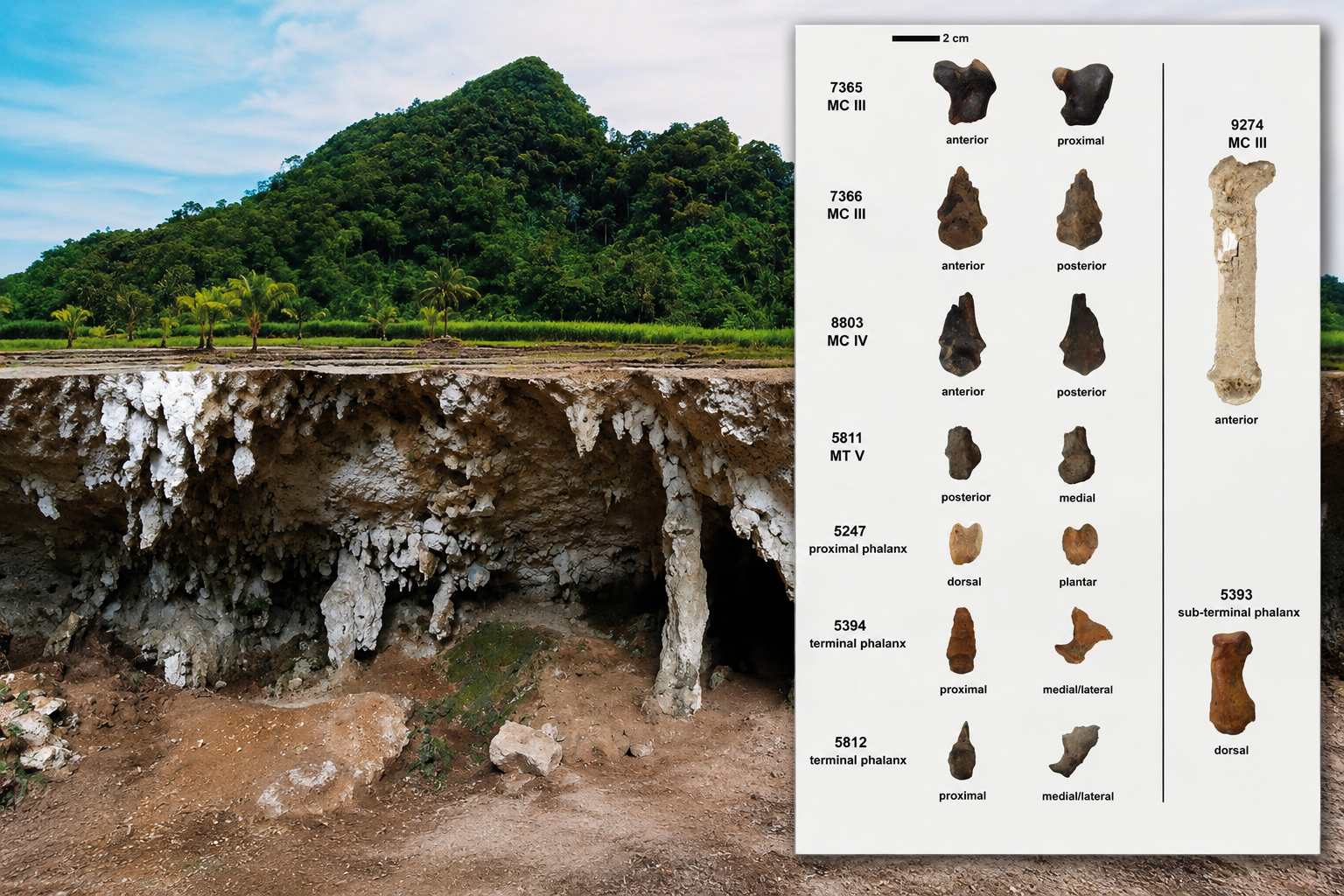
Ancient tiger fossils discovered in Palawan suggest that tigers once roamed the island and were hunted by prehistoric humans more than 20,000 years ago. This finding is based on the study of nine fossil specimens of tigers (Panthera tigris) unearthed from Pilandok Cave in Quezon, Palawan, as reported in the Cambridge Archaeological Journal. Researchers state that this discovery provides significant clues about the Philippines' past ecosystem and human activity. This discovery sheds new light on the history of biodiversity in the Philippines. Previously, direct evidence of large carnivores inhabiting the Philippine archipelago, especially isolated regions like Palawan, was limited. The fossils suggest that the environment at the time was suitable for large felids and indicate how early humans interacted with these powerful predators. There may be traces of human-tiger interaction, such as hunting or skinning, preserved in the fossils. The research deepens the understanding of past human group subsistence strategies in Palawan and the environmental challenges they faced. It also highlights the need for further research in the fields of Philippine paleontology and archaeology. It is anticipated that more will be revealed about the tiger species, their range, and their relationship with prehistoric humans through further detailed analysis.

0

Original source

Inquirer NewsInfo

原文を読む