Students challenge PPP law's shield against environmental protection orders
Health
2026年7月23日
5
Rappler Philippines

General articles are free for 24 hours after publish.

Students challenge PPP law's shield against environmental protection orders

Share
AI Summary

Filipino students have filed a constitutional challenge before the Supreme Court, arguing that the Public-Private Partnership (PPP) Code is being used to shield projects from environmental protection orders. This highlights a critical dispute over environmental accountability in infrastructure development.

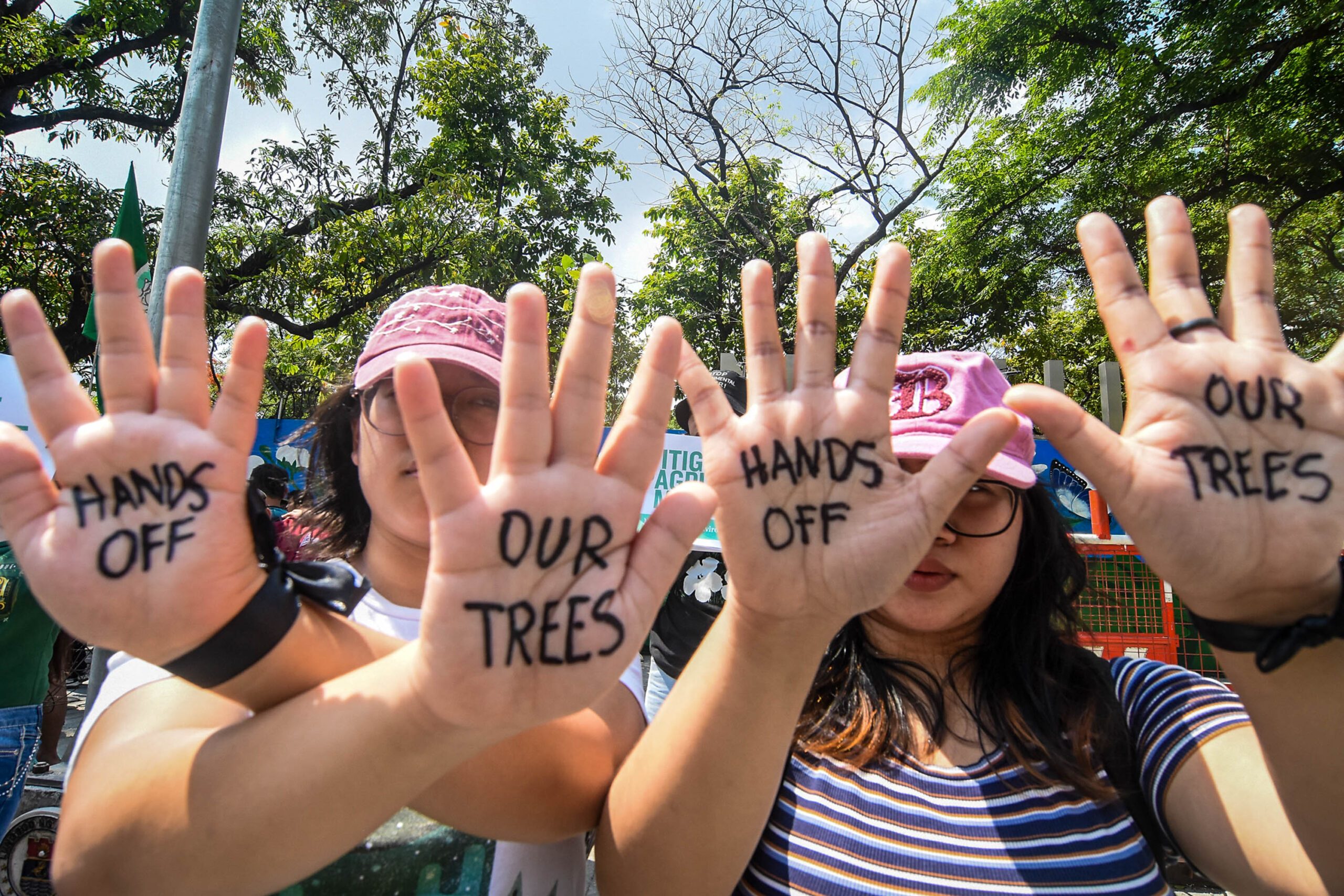
MANILA, Philippines – Students are challenging before the Supreme Court the constitutionality of the provisions in the Public-Private Partnership Code that insulates PPP projects from temporary environmental protection orders (TEPO) and similar legal reliefs. The petitioners are Joaquin Lorenzo Bautista, Elisha Marielle Zantua, Benjamin Luis Francia, Paul Benedict Carollina, Hanna Eliza Marie Guerra — the same five students who filed a petition before the Manila Regional Trial Court Branch 41 in May to try to stop San Miguel Corporation’s tree-cutting activities for its Southern Access Link Expressway project through the issuance of a TEPO. The court junked their petition, prompting them to go to the Supreme Court. “When the Manila RTC denied our TEPO, we were ready to withdraw our application,” Joaquin Bautista, one of the petitioners in both cases, told Rappler. “We were ready to give up, but we thought about not just the remaining trees that they intend to cut down but also the people of Manila who will be affected by this.” During the hearing at the Manila regional trial court in June, San Miguel cited provisions in the PPP law to argue their exemption from such temporary reliefs. The students are now saying these are unconstitutional as it violates their right to a balanced and healthful ecology. The provision in Section 23 of the PPP Code says only the Supreme Court can issue such temporary reliefs to PPP projects. The students said limitations set in the PPP Code not only violate their constitutional right to a balanced and healthful ecology “but also render trivial and effete the doctrine of intergenerational responsibility.” “When a statute establishes a complete judicial shield over an infrastructure project, preventing any timely judicial review of its ecological toll, it leaves future generations entirely unprotected against reckless ecological modifications,” read their petition filed before the High Court. They added, “By hiding behind the absolute immunities of the PPP Code, respondent SMC [San Miguel Corporation] may successfully weaponize statutory technicalities to shield itself from environmental accountability.” Moreover, the provision in the code that suspends lower court judges if they do issue a TEPO against PPP projects “engenders an unconstitutional chilling effect,” they said. The petitioners argued that this intimidates lower court judges and undermines judicial independence. “It may be about time that the deleterious provisions of this PPP Code, designed obviously to protect the interests of private corporate behemoths that enter into PPPs with the government,” they said. The PPP Code or Republic Act 11966 is the legal framework that governs the implementation of PPP projects in the country. Under this law, the prohibition for lower courts does not apply “when the matter is of extreme urgency involving a constitutional issue, such that unless a temporary restraining order is issued, grave injustice and irreparable injury will arise.” The respondents in the petition are Manila RTC Branch 41 Presiding Judge Rosalyn Mislos-Loja, SMC Southern Access Link Expressway Corporation, and the Department of Environment and Natural Resources.

0

Original source

Rappler Philippines

原文を読む