Cambodia to Boost Economic Resilience Amid IMF Growth Slowdown Forecast
As the IMF projects Cambodia's economic growth to slow to 3.0% in 2026, the Cambodian government announced it will continue measures to sustain economic activity, strengthen resilience against external shocks, and maintain macroeconomic stability. The government will promote flexible fiscal policies, improve the investment climate, and invest in infrastructure and human capital.
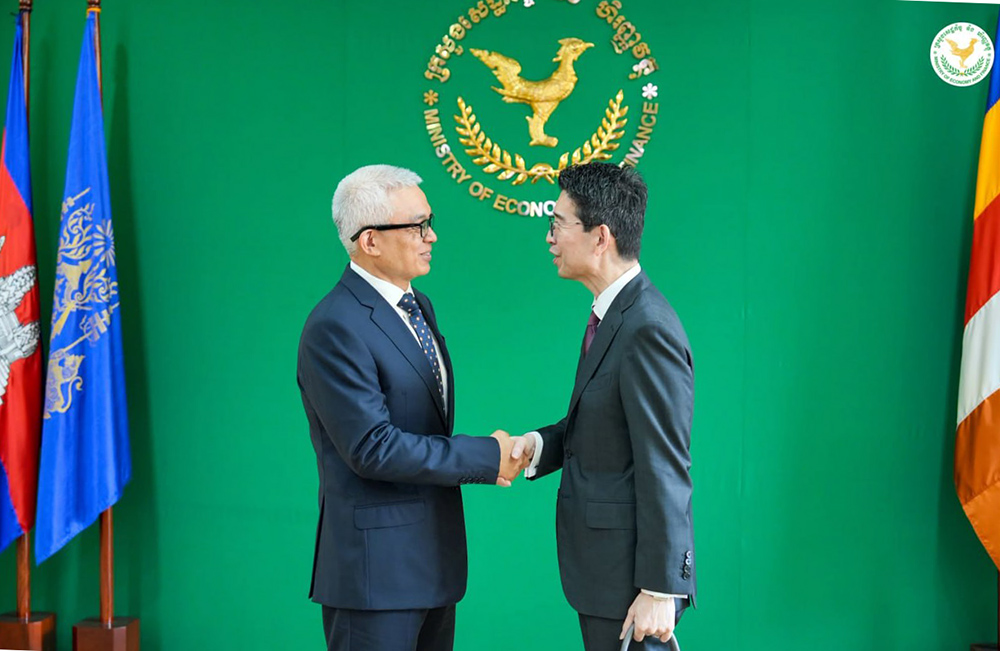
AKP Phnom Penh, July 08, 2026 -- As the International Monetary Fund (IMF) projected Cambodia’s economic growth to slow to 3.0 percent in 2026, Cambodia will continue implementing measures to sustain economic activity, strengthen resilience against external shocks, and preserve macroeconomic stability as the global economy faces mounting uncertainties, according to the Ministry of Economy and Finance. The Ministry made the remarks in a statement following the conclusion of the International Monetary Fund's (IMF) 2026 Article IV Consultation Mission, which reviewed Cambodia's recent economic performance and policy priorities. According to the Ministry, despite multiple external shocks in recent years, Cambodia's economy has remained resilient, supported by prudent macroeconomic management and continued policy efforts to safeguard economic stability. To mitigate downside risks to growth, the Royal Government will continue pursuing flexible and proactive fiscal policies aimed at supporting economic activity while maintaining fiscal sustainability. The government also plans to strengthen public financial management and improve the efficiency of public investment to support long-term development. The Ministry said Cambodia will continue promoting a pro-poor fiscal policy worth some US$ 1,244 million, ensuring that budget resources are directed toward priority sectors that improve people's livelihoods, strengthen social protection, and enhance the country's long-term growth potential. At the same time, authorities will intensify efforts to diversify the economy by promoting new growth drivers beyond traditional sectors. The government will continue improving the investment climate, enhancing competitiveness, and accelerating structural reforms to attract higher-quality investment and create more employment opportunities. The statement also underscored the importance of safeguarding financial sector stability. Authorities pledged to continue closely monitoring financial sector risks, strengthen supervision, and implement appropriate measures to preserve confidence in the banking system while ensuring adequate financing for productive economic activities. In addition, the Royal Government will continue investing in infrastructure, human capital development, digital transformation, and institutional reforms to improve productivity and strengthen Cambodia's economic resilience against future global and regional shocks. The Ministry noted that Cambodia remains committed to maintaining macroeconomic stability while balancing growth with fiscal discipline. It also reaffirmed the government's determination to continue reforms that support sustainable, inclusive, and resilient economic development. The IMF mission acknowledged Cambodia's continued efforts to preserve macroeconomic stability and recognised that the country's policy framework has helped the economy withstand successive external challenges. Both sides also agreed on the importance of continuing structural reforms to reinforce economic resilience and sustain long-term growth. Cambodian Deputy Prime Minister and Minister of Economy and Finance H.E. Dr. Aun Pornmoniroth (L) and Mr. Kenichiro Kashiwase, IMF Mission Chief for Cambodia By Heng Panha
多角的分析
IMFの予測通りカンボジア経済の成長鈍化が現実となれば、輸出依存度の高い産業や観光業への影響が懸念される。政府が掲げる経済の多角化は、伝統的な縫製業や観光業に代わる新たな成長エンジンを見出す必要があり、これは容易ではない。特に、質の高い投資を誘致するための構造改革は、外国直接投資(FDI)の動向に大きく影響するため、その進捗が鍵となる。世界経済の不確実性は、カンボジアの主要な輸出市場である欧米や中国の景気動向に左右されるため、政府の予測通り「外部ショックへの回復力強化」が喫緊の課題である。
IMFの成長率下方修正は、短期的な投資リスクの上昇を示唆する。しかし、カンボジア政府が掲げる経済回復力強化策、特に投資環境の改善や構造改革の加速は、長期的な視点ではポジティブなシグナルとなり得る。質の高い投資の誘致は、より付加価値の高い産業へのシフトを意味し、これが実現すれば、新たな投資機会が生まれる可能性がある。金融セクターの安定維持への言及は、投資家が重視するリスク管理の観点から評価できる。ただし、地政学的なリスクやグローバルサプライチェーンの変動は、依然としてカンボジアへの投資判断に影響を与える要因となるだろう。
経済成長の鈍化は、雇用創チや所得水準に直接的な影響を及ぼす可能性がある。特に、若年層の雇用創出が課題となる中、政府が目指す経済の多角化と質の高い雇用創出が実現しなければ、社会的な不満が高まるリスクがある。貧困層支援型財政政策の継続は、社会保障のセーフティネット維持に不可欠だが、予算資源の配分が効果的に行われるかが問われる。また、インフラ投資や人的資本開発への継続的な投資は、長期的な生活水準の向上に寄与すると期待されるが、その恩恵が国民全体に行き渡るかどうかが社会的な安定に繋がる。
IMFの成長率予測は、カンボジア国民、特に労働者や中小企業経営者にとって、将来への不安材料となり得る。経済が減速すれば、職を失うリスクや収入の減少が懸念される。政府が強調する「貧困層支援型財政政策」は、生活必需品へのアクセスや社会保障の維持に不可欠だが、その効果は予算の執行状況と国民への恩恵の度合いにかかっている。経済の多角化が具体的にどのような産業や雇用を生み出すのか、国民は政府の政策実行能力に注目することになるだろう。特に、地方の農村部では、国際経済の動向が生活に直接影響するため、政府の対応が重要となる。
背景・歴史的文脈
カンボジア経済は、長らく縫製業や観光業に依存してきたが、近年は中国からの投資増加やインフラ開発が進み、経済成長を遂げてきた。しかし、新型コロナウイルスのパンデミックや、世界的なインフレ、地政学的な緊張の高まりといった外部ショックにより、その脆弱性が露呈している。IMFの定期的な経済評価(第4条協議)は、カンボジア経済の現状分析と政策提言を行うものであり、今回の報告は、世界経済の不確実性がカンボジアの成長見通しに影を落としている現状を示している。政府は、これらのリスクに対処するため、経済の多角化、投資環境の改善、人的資本開発への注力を進めている。
原文ソース
AKP Cambodia